
What Each Approach Actually Means
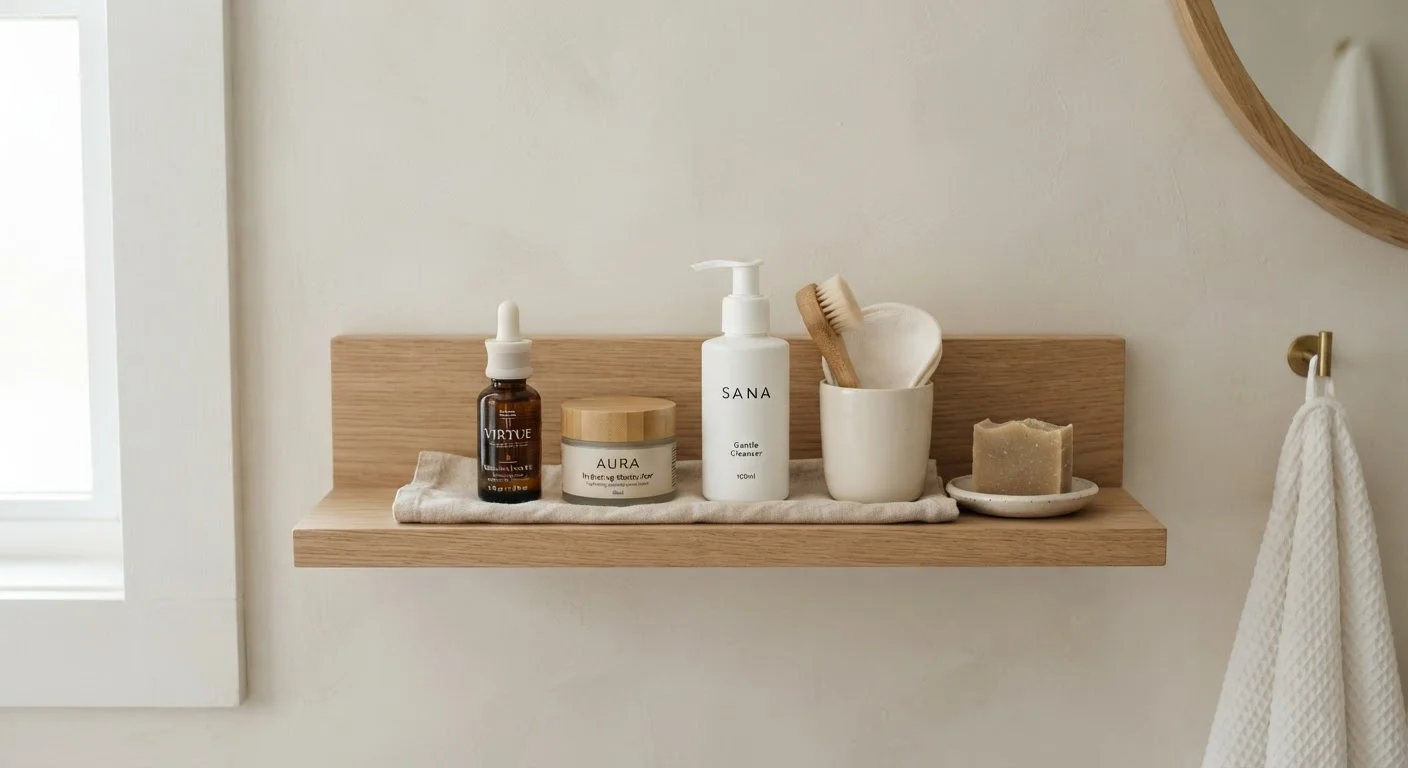
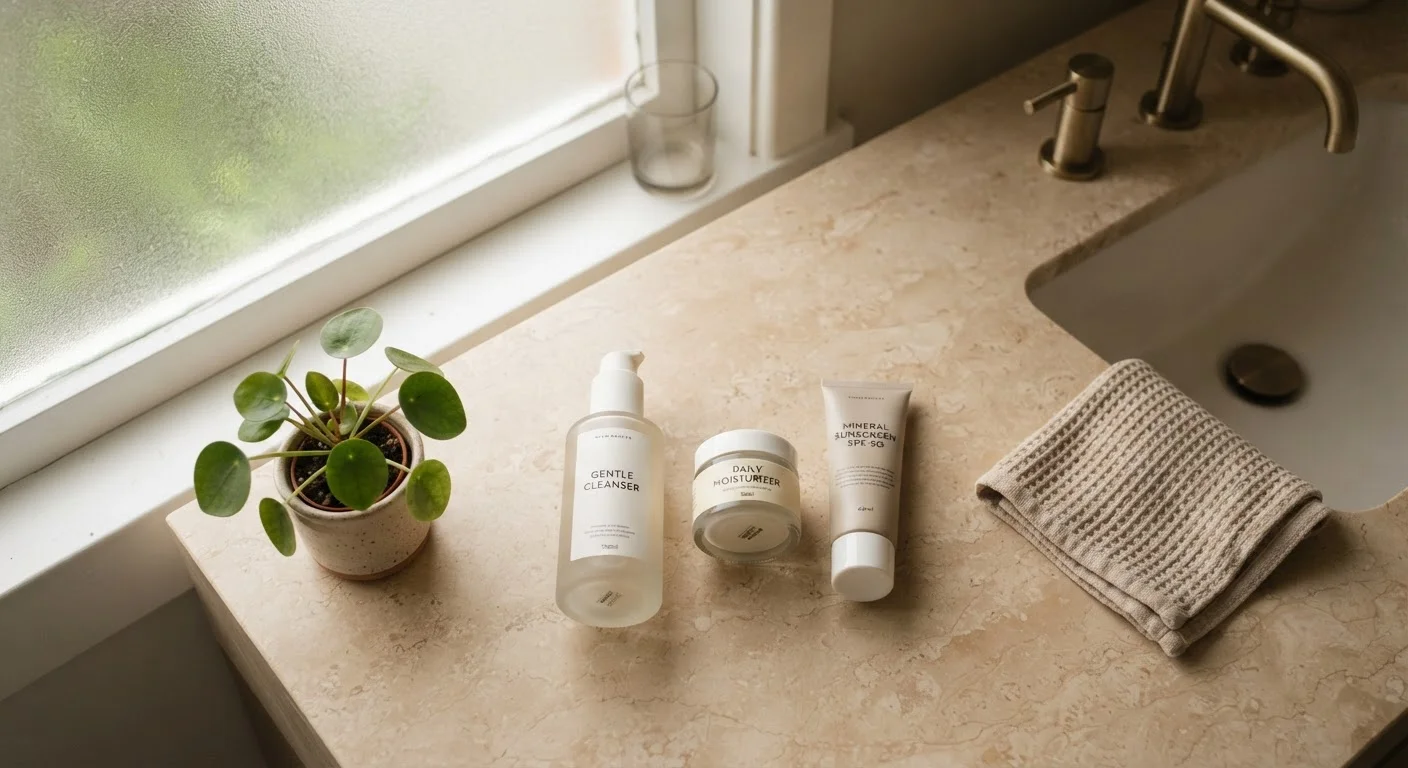
Skincare minimalism isn't about neglect - it's about intentional reduction. A minimal routine typically anchors around three steps: a gentle cleanser, a moisturizer suited to your skin type, and a broad-spectrum SPF during the day. The philosophy is that these steps cover the essentials - removing impurities, maintaining the skin barrier, and protecting against UV damage - without overwhelming skin or your schedule.
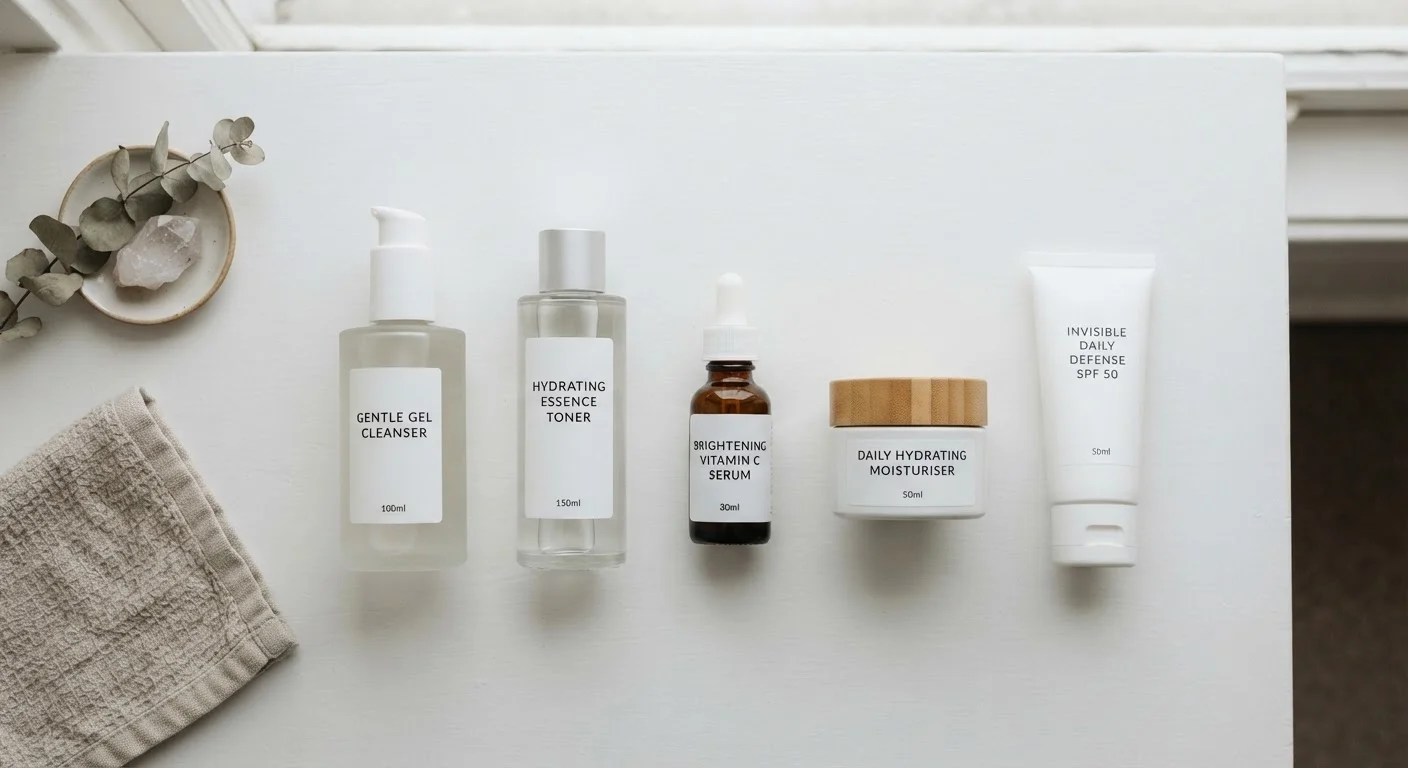
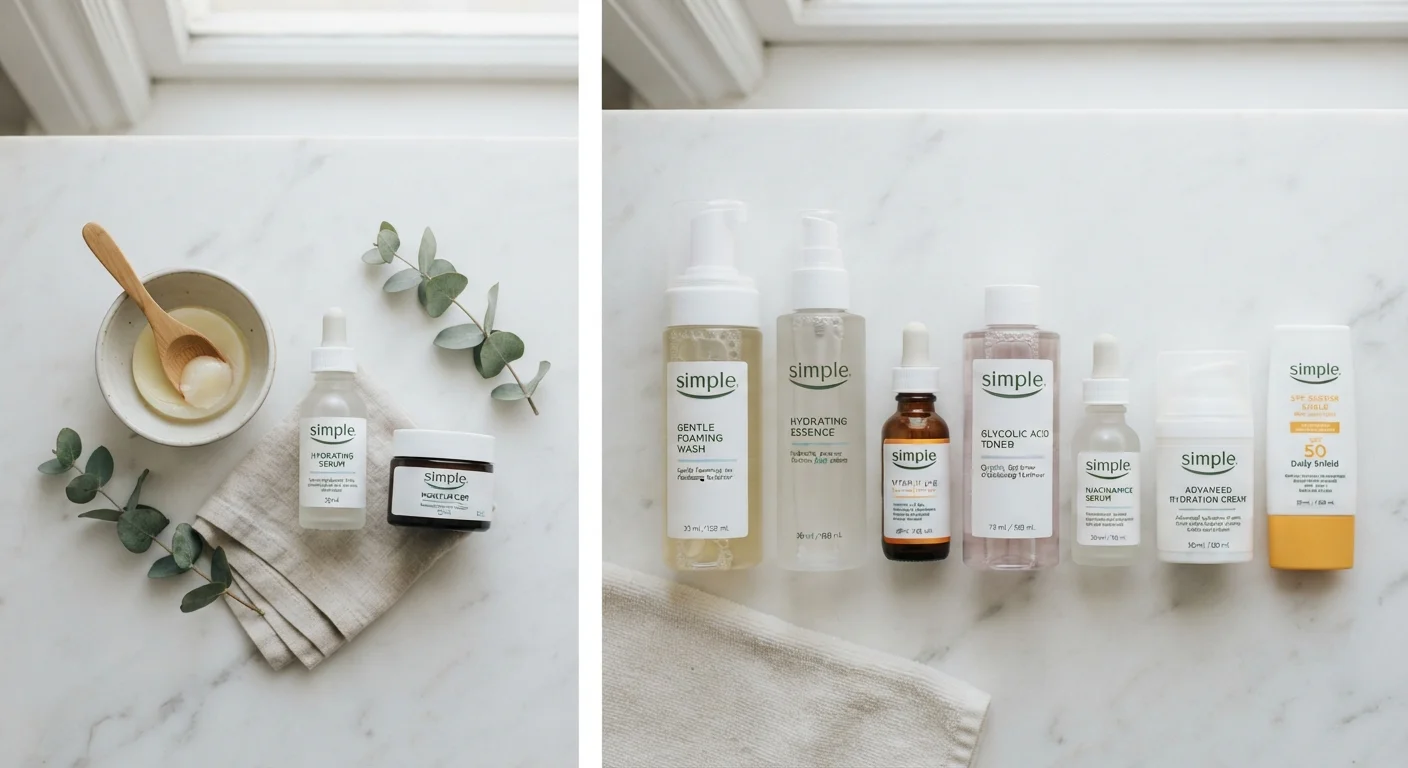
Multi-step routines, by contrast, build on that foundation by introducing targeted treatments: toners, essences, serums, exfoliants, eye creams, facial oils, and more. Each step is designed to address a specific function. Understanding what each skincare step actually does is essential before committing to a longer sequence, since applying products out of order reduces their effectiveness.
The key distinction is purpose: minimalism prioritizes barrier health and protection, while multi-step routines layer in correction and enhancement. Neither is inherently better - they serve different goals.
| Criterion | Skincare Minimalism | Multi-Step Routines |
|---|---|---|
| Number of products | 2-3 core steps | 5-10 steps |
| Time per session | Under 3 minutes | 10-20 minutes |
| Barrier protection | Primary focus | Maintained alongside treatments |
| Targeted treatment | Limited | High - each step has a role |
| Irritation risk | Lower | Higher if actives overlap |
| Ease of habit-building | High | Moderate - requires learning |
| Best for sensitive skin | Yes | Requires careful product selection |
| Flexibility to expand | Good starting point | Already expanded |
The Case for Keeping It Simple
Dermatologists generally agree that the skin barrier - the outermost layer that keeps moisture in and irritants out - is the foundation of skin health. Over-layering, especially with active ingredients like acids and retinoids, can compromise that barrier rather than strengthen it. Redness, tightness, and breakouts are common signs that a routine has too many competing steps.
There's also a consistency argument. As explored in why consistency beats intensity in any skincare routine, applying a simple routine twice daily for months produces more reliable results than an ambitious routine you abandon after a week. Minimalism makes it easier to build the habit.
For those with sensitive or reactive skin, fewer ingredients also means fewer variables. If your skin flares, a short ingredient list makes it far easier to identify the culprit. A five-minute morning prep is often all that stands between a protective routine and no routine at all.
3 steps
Core steps dermatologists often cite as essential
Cleanse, moisturize, and protect with SPF - these three steps form the foundation most dermatologists recommend as the non-negotiable baseline.
4-6 weeks
Minimum time to assess a routine's effect
Skincare professionals generally advise waiting at least four to six weeks before judging whether a new product or routine is producing results.
When More Steps Make Sense
Multi-step routines earn their place when you have specific, persistent skin concerns that a basic moisturizer won't address. Hyperpigmentation, textural irregularities, persistent dehydration, or early signs of photoaging often respond better to targeted actives - niacinamide for uneven tone, hyaluronic acid for hydration, or retinoids for cell turnover - than to a generalist approach.
The layering logic matters enormously here. Products should generally be applied thinnest to thickest, with water-based formulas before oil-based ones. Understanding the rules behind product order prevents common mistakes like applying a heavy cream before a serum, which blocks absorption.
Multi-step routines also suit people who find the ritual itself meaningful - a grounding, intentional practice rather than a chore. When the process is enjoyable, adherence tends to follow naturally. Just be cautious about introducing multiple new actives simultaneously; introduce one at a time and give it several weeks before adding another.
Active Ingredients Need Space to Work
Mixing multiple active ingredients - such as vitamin C, retinoids, and exfoliating acids - in the same routine can cause irritation and reduce effectiveness. If you're building a multi-step routine, introduce actives one at a time and on alternating days where needed. A dermatologist or licensed esthetician can help you map a safe layering schedule for your specific concerns.
How to Decide What Works for You
Rather than treating this as a permanent identity choice, think of it as a starting point. If you're starting a skincare routine from scratch, a minimal approach gives your skin time to stabilize and gives you a baseline to understand your skin's actual needs - not what you assume they are.
From there, you can expand deliberately. Add one step at a time, assess how your skin responds over two to four weeks, and only keep what produces a noticeable difference. This method prevents the product accumulation that often makes multi-step routines feel overwhelming rather than effective.
Consider your lifestyle honestly. A ten-step routine requires time, space, and focus - and if those aren't consistently available, the routine will lapse. A well-chosen three-step routine that you do every day will outperform a comprehensive one you manage twice a week. Explore the full range of beauty routine guidance to find what fits your schedule and skin goals together.
This article is for general informational purposes only and does not constitute medical or dermatological advice. If you have a diagnosed skin condition or persistent concerns, consult a qualified dermatologist before changing your routine.