
How Debt Consolidation Actually Works
When you consolidate debt, you take out a new financial product - most commonly a personal loan or a balance transfer credit card - and use it to pay off your existing balances. You're left with one monthly payment instead of several, often to different creditors with different due dates and interest rates.
The appeal is straightforward: simplicity. Managing five credit card bills, a medical payment plan, and a store card simultaneously is mentally and logistically exhausting. Consolidation reduces that to a single payment on a predictable schedule.
Whether it also saves you money depends on the interest rate you qualify for. If your new loan's rate is meaningfully lower than the average rate across your existing debts, you may pay less in interest over time. If the rate is similar - or if you extend the repayment term significantly - you could end up paying more in total, even with a lower monthly payment.
Consolidation Is a Tool, Not a Category of Debt
"Debt consolidation" refers to a strategy, not a specific financial product. You might consolidate using a personal loan, a home equity line of credit, a balance transfer card, or even a 401(k) loan - each with very different terms, risks, and implications. What you consolidate into matters as much as the act of consolidating. Always review the full terms of any new loan before proceeding.
What Debt Consolidation Does Well
For people juggling many high-interest credit card balances, consolidation into a lower-rate personal loan can provide real financial relief. It creates a defined repayment timeline, which means you know exactly when the debt ends - something revolving credit card debt doesn't offer.
It can also reduce financial stress. Research consistently links financial overwhelm to decision fatigue and avoidance behaviors. Having one payment to track is easier to stay on top of, and for some people that structure improves follow-through. This pairs well with the broader work of managing debt without letting anxiety take over.
Balance transfer cards with a 0% introductory period offer another form of consolidation - if you can pay off the balance before the promotional period ends, you may pay very little interest. The key word is if; these require disciplined repayment on a tight schedule.
~$7,200
Average American credit card debt per household
According to Federal Reserve data, credit card balances represent a significant portion of consumer debt, making consolidation a common consideration for many households.
20%+
Average credit card interest rate in the US
The Federal Reserve has reported average credit card APRs exceeding 20%, underscoring why rate reduction is central to the case for consolidation.
2-7 years
Typical personal loan repayment terms
Most personal loans used for debt consolidation carry repayment windows of two to seven years, giving borrowers a defined payoff timeline unlike revolving credit.
What Debt Consolidation Doesn't Fix
This is where many people get caught off guard. Consolidation restructures debt - it doesn't reduce it. If you consolidate $18,000 in credit card debt, you still owe $18,000, plus interest on the new loan.
More importantly, consolidation does nothing to change the habits that created the debt. If overspending or under-budgeting drove those balances up, the same patterns can generate new debt on top of what you're now repaying. This is sometimes called "reloading" - paying off cards via consolidation, then running the balances back up. It's one of the financial habits that keep people stuck in a debt cycle.
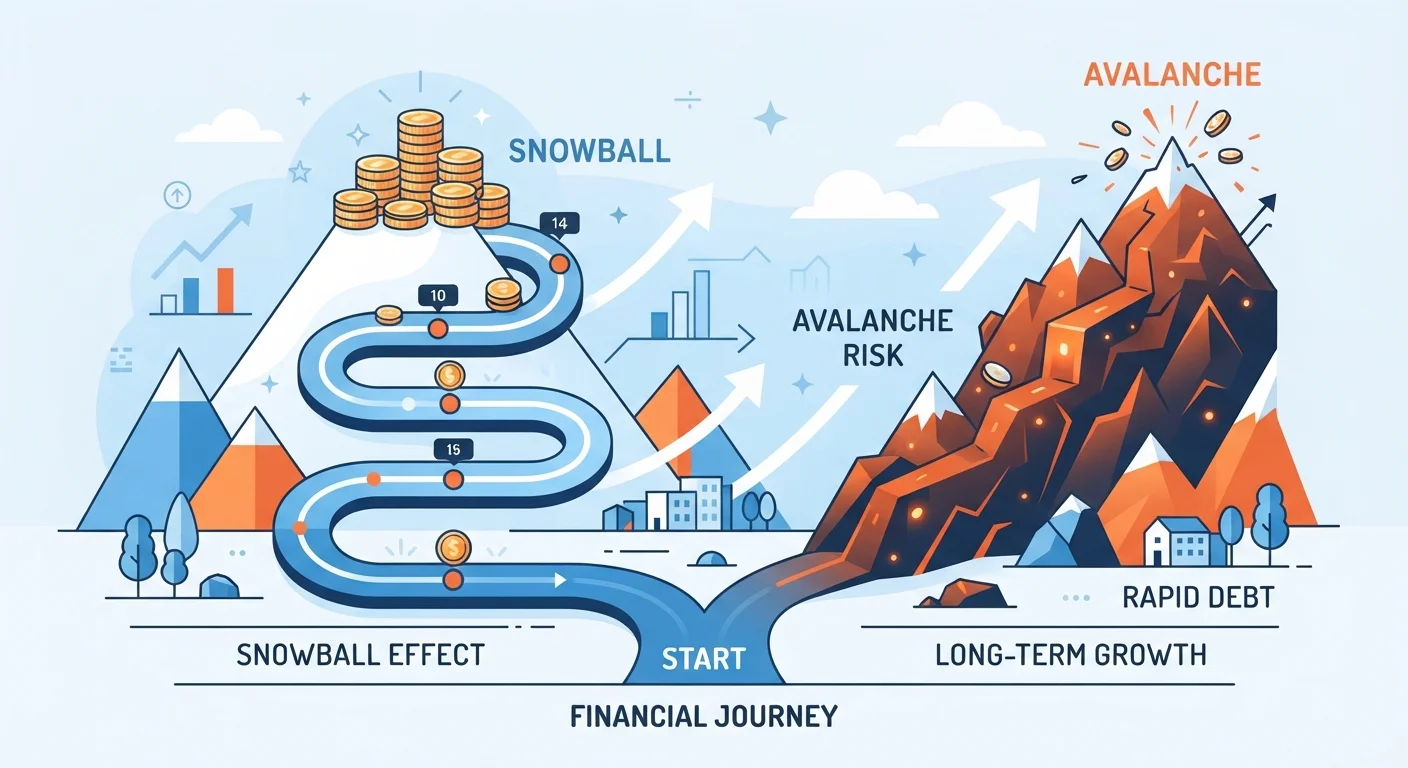
Consolidation also isn't always available or advantageous for people with lower credit scores, significant debt-to-income ratios, or unstable income. In those cases, other strategies - like the debt snowball or avalanche method - may be more accessible. See how those approaches compare in our look at the debt avalanche and debt snowball methods.
Calculate Total Cost, Not Just Monthly Payment
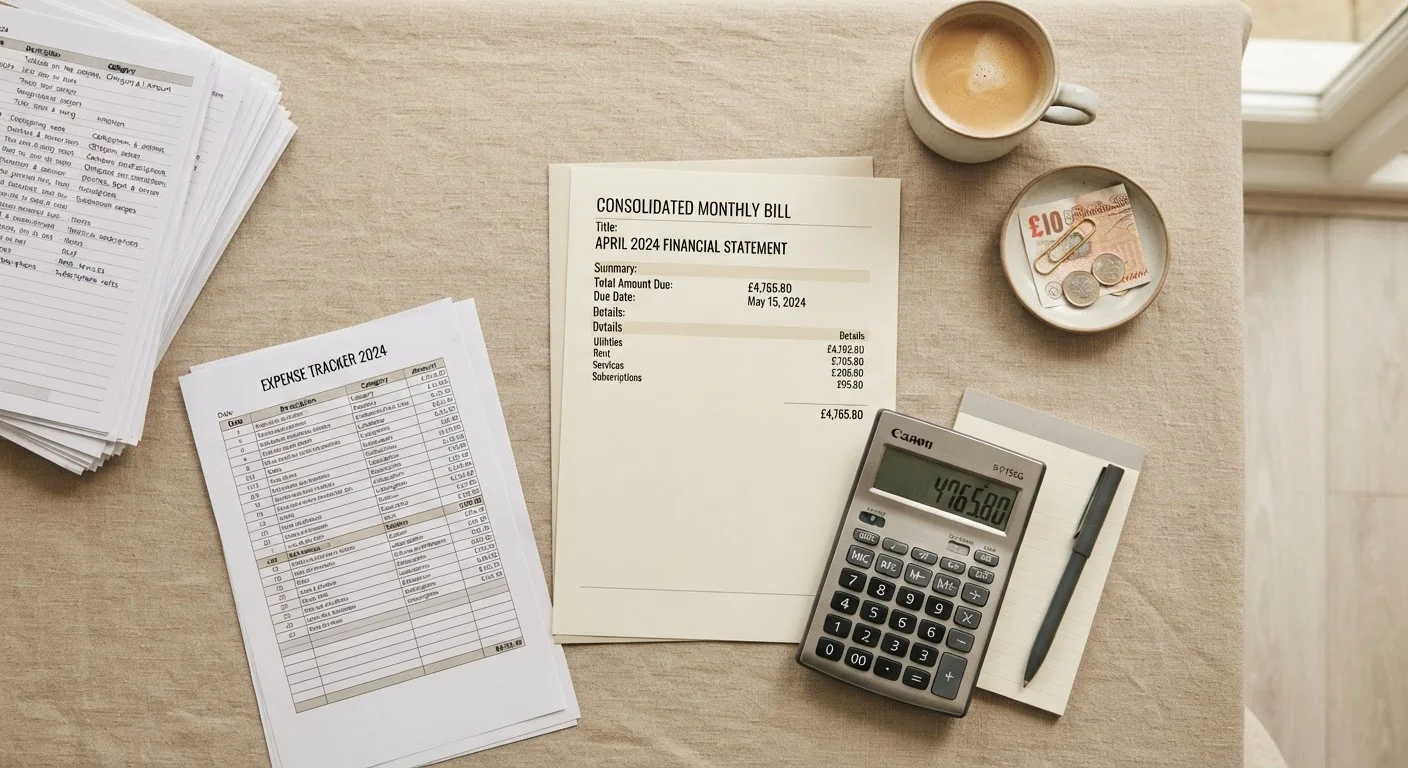
Before accepting a consolidation loan, use a simple loan calculator to find the total interest paid over the life of the loan - not just the monthly payment amount. A lower payment spread over a longer term can end up costing more than your current trajectory. Many free calculators are available through nonprofit financial education sites and credit unions.
Fitting Consolidation Into a Broader Financial Plan
The most effective use of debt consolidation is as one tool within a larger strategy - not a standalone solution. Once you consolidate, the freed-up mental bandwidth and (potentially) lower monthly payment can be redirected toward building an emergency fund or contributing to savings goals.
This is actually one reason why debt consolidation and saving aren't mutually exclusive. A lower monthly payment creates margin. That margin can fund a small emergency cushion, reducing the likelihood you'll reach for a credit card when an unexpected expense hits. For more on balancing both goals, see why paying off debt and saving at the same time is possible.
Before consolidating, it's worth mapping out the total cost of any new loan - not just the monthly payment - and comparing it against your current trajectory. A lower monthly payment that extends your repayment by three years may cost more in interest overall. Running those numbers is straightforward and worth doing before signing anything.
This article is for general informational and educational purposes only. It does not constitute personalized financial, tax, or legal advice. For guidance specific to your situation, consult a qualified financial professional.