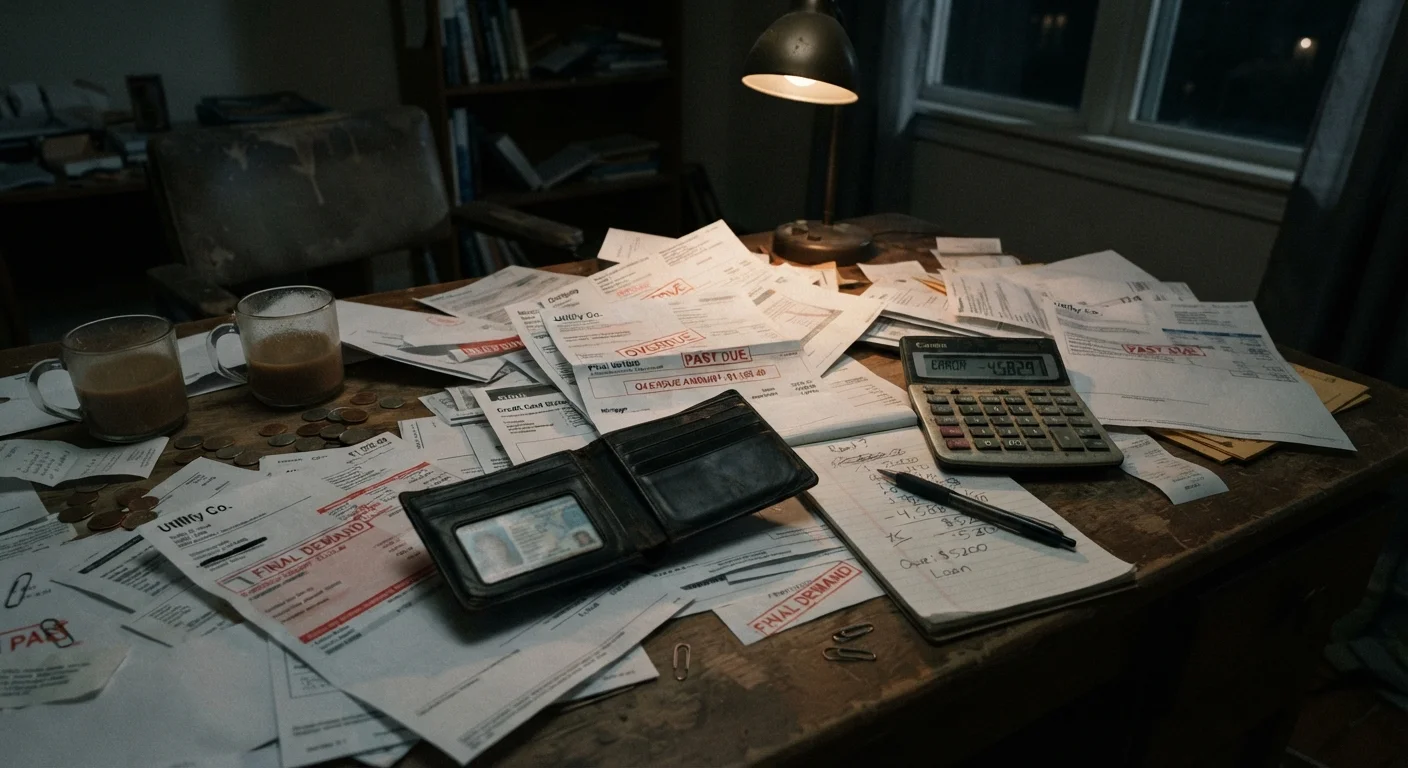


Why Debt Anxiety Derails Repayment Plans
Debt stress is real, and it's not just an emotional inconvenience. Research consistently links financial strain to sleep disruption, reduced concentration, and decision fatigue-all of which make it harder to manage money well. The cruel irony is that anxiety about debt can impair exactly the thinking you need to pay it down effectively.
The antidote isn't ignoring the problem. It's narrowing your focus to what you can actually control today. You cannot change your current balance in one afternoon, but you can make a payment, review your budget, and set up a system. That shift-from overwhelm to action-is where anxiety starts to lose its grip.
If you recognize patterns in your financial habits that make debt feel harder to escape, our piece on financial habits that keep people stuck in a debt cycle is worth reading alongside this one.
Build a Plan That's Realistic, Not Heroic
One of the most common debt-repayment mistakes is committing to an aggressive payoff schedule that leaves no breathing room. When the plan fails-as rigid plans often do-the resulting shame compounds the stress. A sustainable plan beats an ambitious one that gets abandoned.
Start by mapping income against essential expenses, minimum debt payments, and a modest savings buffer. If you haven't done this yet, building your first budget around debt and savings goals provides a practical framework for allocating income across both priorities simultaneously.
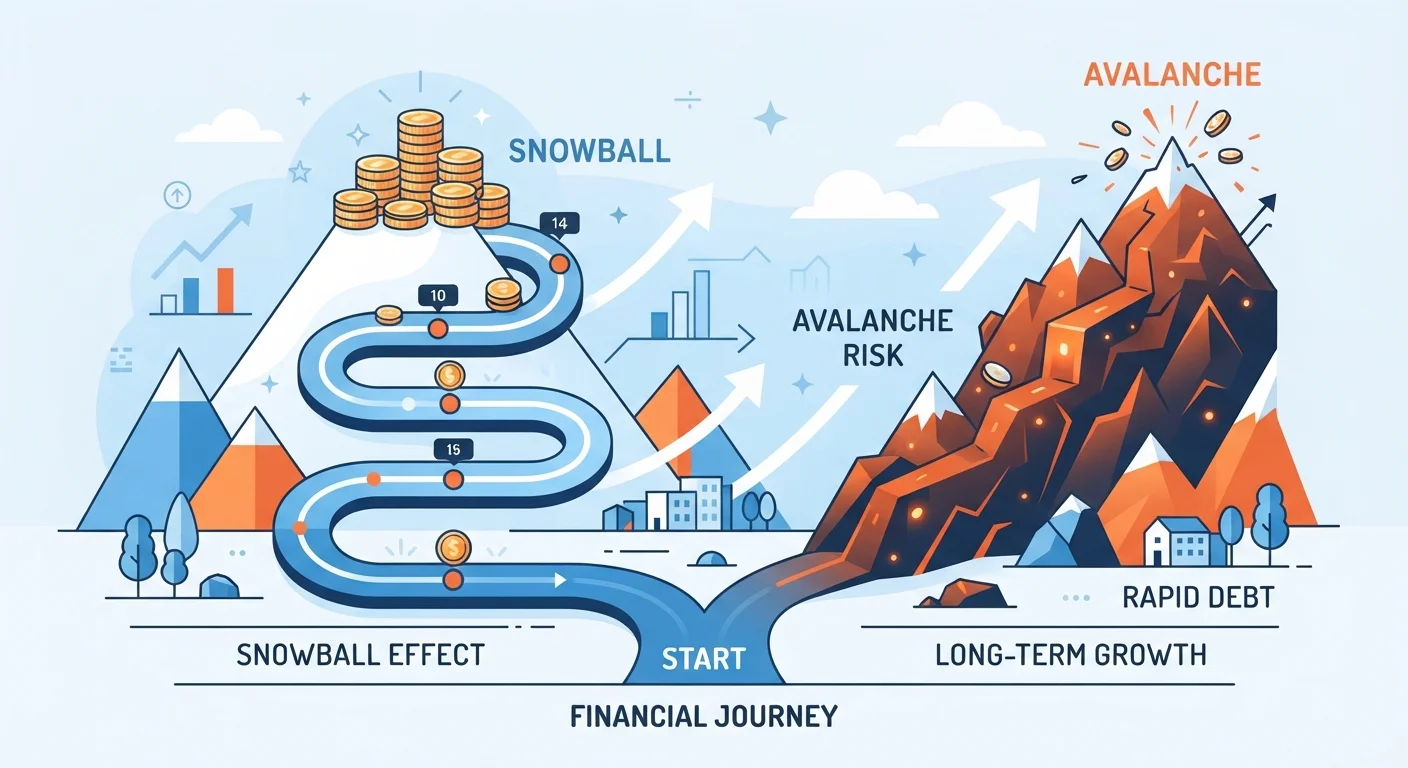
Once you have a baseline, explore repayment methods. The debt avalanche (targeting highest-interest balances first) minimizes total interest paid. The debt snowball (targeting smallest balances first) delivers early psychological wins. Neither is universally superior-the one you'll maintain is the right one. See what sets the avalanche and snowball apart for a fuller comparison.
Protect Progress With a Small Cash Cushion
Many people make the mistake of channeling every spare dollar into debt repayment while maintaining zero savings. The problem: one unexpected expense-a car repair, a medical bill-forces new borrowing, undoing weeks of progress and delivering a psychological blow that can feel catastrophic.
A modest emergency fund of even $500 to $1,000 acts as a circuit breaker. It keeps a single setback from becoming a spiral. Before accelerating repayment, consider running through a readiness checklist that covers cash cushions, interest rates, and income stability.
Automate and Then Step Back
Automation is one of the most underrated anxiety-reduction tools in personal finance. When payments happen automatically on a fixed schedule, you eliminate the daily decision of whether to pay-and the guilt that accumulates when you delay. It also protects you from spending money you intended for debt repayment.
Schedule minimum payments on all accounts automatically, then direct any additional repayment amounts as a second automated transfer. This two-layer approach keeps accounts current while giving you a deliberate channel for extra payments. Automating your savings and debt payments covers how to set this up without losing oversight.
Then-critically-step back from obsessively checking balances. Set a monthly review date, assess progress, and leave it alone in between. Constant monitoring tends to amplify anxiety without improving outcomes.
Reframe How You Measure Progress
When debt totals are large, measuring only by the final payoff date can feel demoralizing. Reframing progress in smaller, more visible terms helps sustain motivation. Track total interest saved to date, the number of accounts cleared, or the percentage of original debt remaining-not just the dollar amount still owed.
It's also worth acknowledging that debt repayment and financial wellness are connected to broader money mindset patterns. How you relate to financial risk, setback, and uncertainty shapes how resilient your plan will be. Reframing your relationship with financial risk explores this dimension in practical terms.
Finally, if anxiety persists despite a solid plan, consider whether your coping strategies are genuinely helping. Signs your coping strategies may be working against you offers a useful lens for recognizing when stress-management habits quietly make recovery harder.
This article is for general informational purposes only and does not constitute personalized financial or mental health advice. For guidance specific to your situation, consult a qualified financial advisor or licensed mental health professional.