
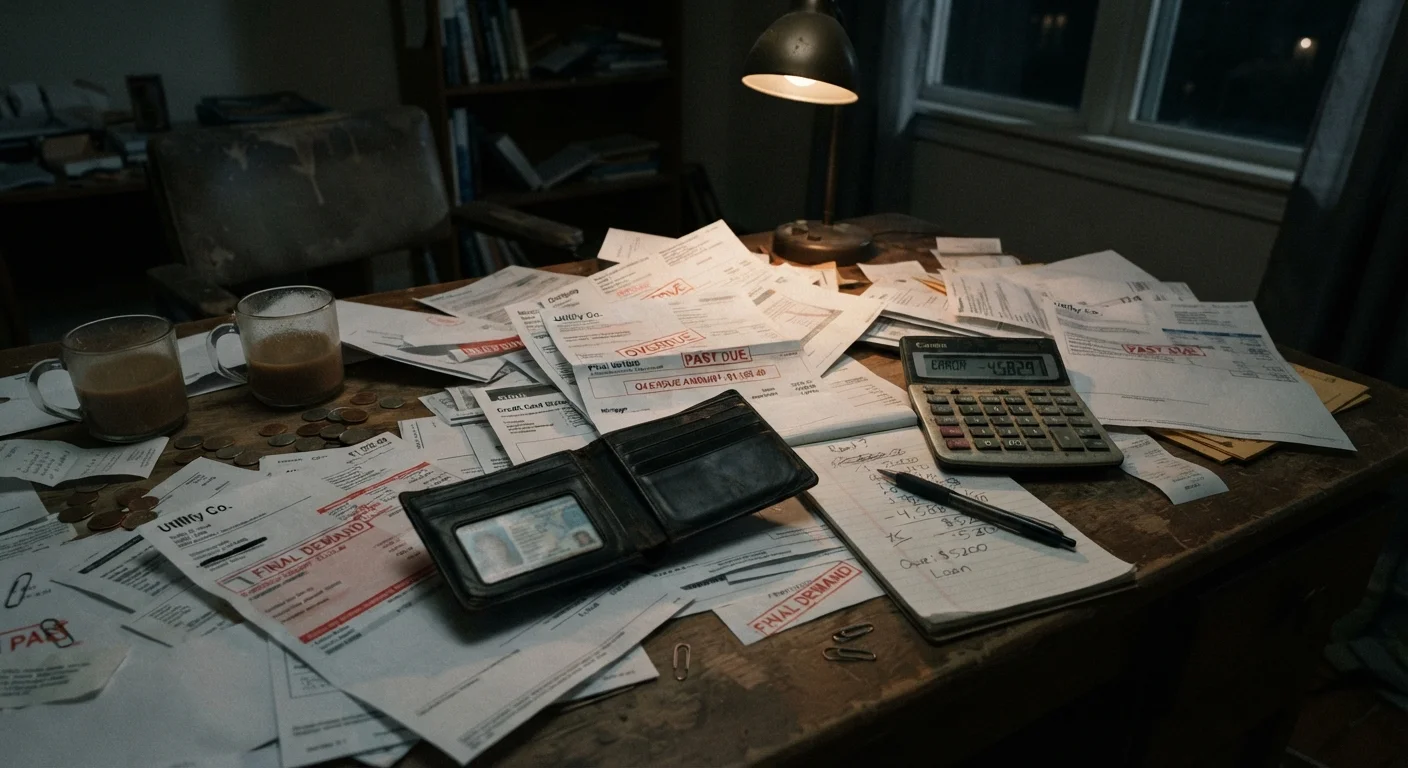
Why Good Intentions Aren't Enough
Most people in a debt cycle aren't careless - they're just working with habits that feel reasonable on the surface but quietly sabotage progress. The patterns below are common, understandable, and fixable. Understanding why they happen is the first step toward breaking them.
This article covers general financial education. For guidance tailored to your specific situation, consult a qualified financial professional.
Paying only the minimum balance each month.
Why it happens: Minimum payments feel manageable and keep accounts in good standing, so they register as "handled." But they're designed by lenders to extend repayment - and maximize interest collected.
Having no emergency fund while trying to pay off debt.
Why it happens: It feels logical to throw every spare dollar at debt rather than let it sit idle. But without a buffer, any unplanned expense - a car repair, a medical bill - goes right back onto a credit card.
Not knowing the full scope of what you owe.
Why it happens: Facing the complete picture of debt can feel overwhelming, so many people avoid it. They pay whichever bill shows up most urgently rather than working from a clear, prioritized list.
Using vague spending intentions instead of a real budget.
Why it happens: People often rely on a general sense of "I'll spend less this month" without tracking categories. Without structure, discretionary spending fills the space where debt payments could go.
Turning to retail therapy or emotional spending during financial stress.
Why it happens: Stress drives people toward short-term relief, and spending can feel like a sense of control or reward. This is especially common when debt itself is the source of anxiety.
Treating debt consolidation as a solution rather than a tool.
Why it happens: Consolidating multiple debts into one lower-rate loan feels like progress - and it can be - but without changing underlying spending habits, new balances accumulate on the cleared accounts.
The Habits That Keep the Cycle Spinning
Debt rarely sticks around because of one dramatic mistake. More often, it's a cluster of small, repeated behaviors - each one seemingly manageable - that add up to a ceiling you can never quite break through.
~$6,500
Average U.S. credit card balance per borrower
According to Federal Reserve and TransUnion data, average revolving balances have remained persistently high, with interest rates often exceeding 20% APR.
40%+
Americans who carry a credit card balance month to month
Data from the American Bankers Association and Federal Reserve surveys consistently show a large share of cardholders do not pay in full each billing cycle.
If you've wondered whether it's even realistic to build savings while carrying debt, our piece on why paying off debt and saving simultaneously is possible explores the underlying logic. And if certain habits feel deeply ingrained, everyday habits that quietly undermine financial clarity examines the thinking patterns behind them.
Cleared Credit Lines Aren't Free Money
One of the most common setbacks after making progress on debt is running balances back up on cards that now have available credit. The debt isn't gone - it may have shifted to a consolidation loan - but the old accounts look open and empty. Treat cleared credit lines as closed for spending purposes until your overall debt is under control.
Once you've identified which habits apply to you, practical tools like automated payments can help close the gap between knowing what to do and actually doing it - see automating your savings and debt payments for a grounded overview. If the emotional weight of debt is also a factor, approaching debt repayment without anxiety offers realistic, stress-reducing strategies.