
What Vehicle Registration Actually Means
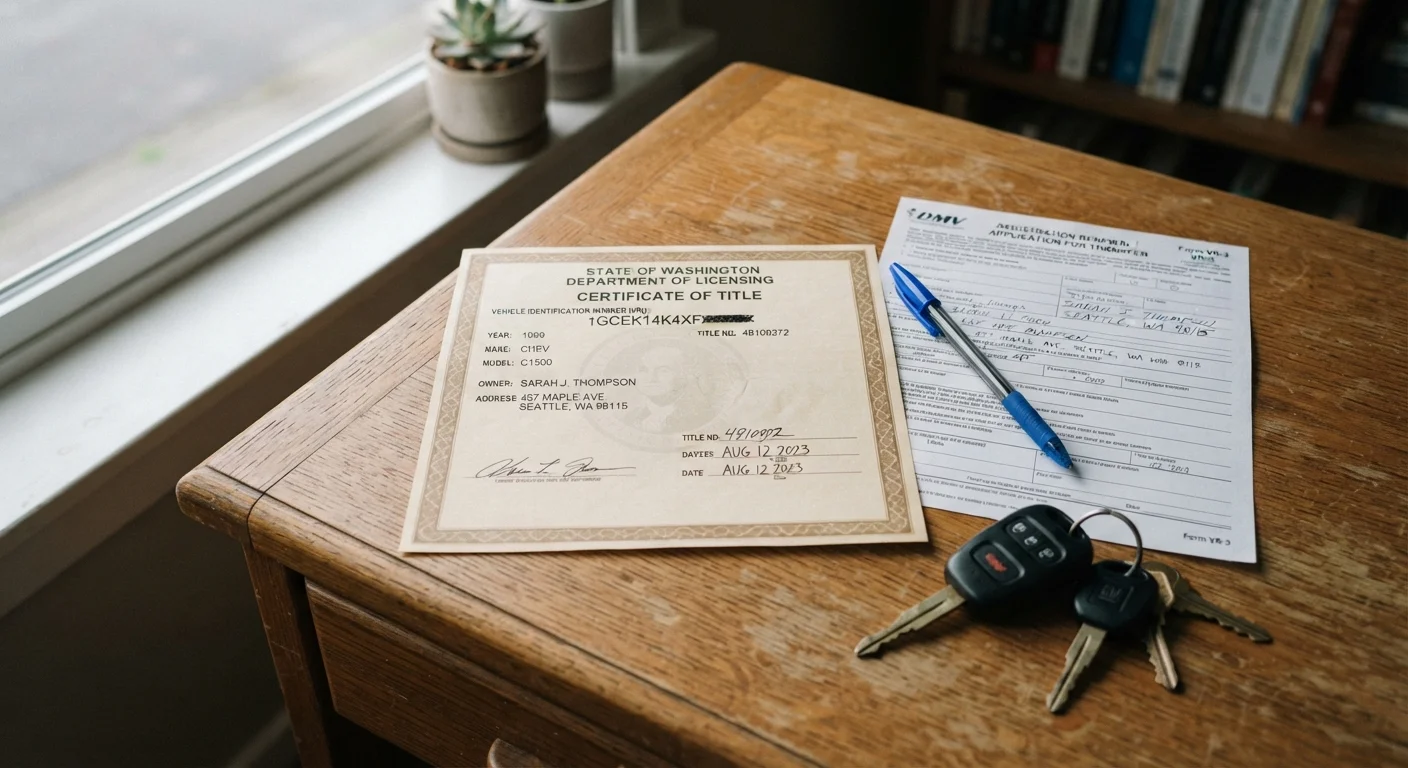
Vehicle registration is the process by which a state officially records that a specific car is authorized for use on public roads. It's separate from - though often bundled with - title transfer. The title proves who owns the car; the registration proves the state has approved it for road use and that relevant taxes and fees have been paid.
Registration is not a one-time event. It must be renewed periodically - annually in most states, every two years in others. If you're a first-time owner, understanding this ongoing obligation matters from day one. Our guide for first-time car owners covers the broader picture of what to expect financially and administratively after purchase.
Don't Confuse Title Transfer with Registration
A title establishes legal ownership; registration is what authorizes the vehicle for road use. Both steps are often required when buying a used car, and skipping the title transfer can create serious problems down the line. See our guide to title transfers for the details on where that process commonly breaks down.
What You'll Need Before You Start
Preparation is the single biggest factor in how smoothly your DMV visit goes. Arriving with incomplete documents is the most common reason people have to make multiple trips. The list below covers what's needed in most states - verify your state's specific requirements before you go.
What you will need
Keep in mind that fees are not trivial. Registration costs can range from under $50 to several hundred dollars depending on the state and vehicle type. These costs recur each registration cycle - they're part of the ongoing cost of ownership that catches many owners off guard.
Step-by-Step: Registering Your Vehicle
Follow these steps in order. Skipping ahead - particularly by heading to the DMV before completing inspections or gathering all documents - typically costs more time than it saves.
Confirm your state's specific requirements
Registration rules vary by state - some require emissions testing, others don't. A handful of states mandate a vehicle safety inspection before registration. Visit your state's official DMV website to get the current checklist for your vehicle type and situation (new purchase, used purchase, or out-of-state transfer).
Gather your documents
Pull together everything listed in the prerequisites above before you go anywhere. Missing even one document - particularly the title or proof of insurance - will send you home empty-handed. If your vehicle is financed, the lender typically holds the title; contact them to confirm how registration is handled in that case.
Get any required inspections done first
Many states - particularly in the West and Northeast - require a smog or emissions test before registration can be completed. Some also require a basic safety inspection. Both must usually be completed at a state-certified station before you visit the DMV. Check that any certificates you receive are dated within your state's accepted window (often 90 days).
Complete the registration application
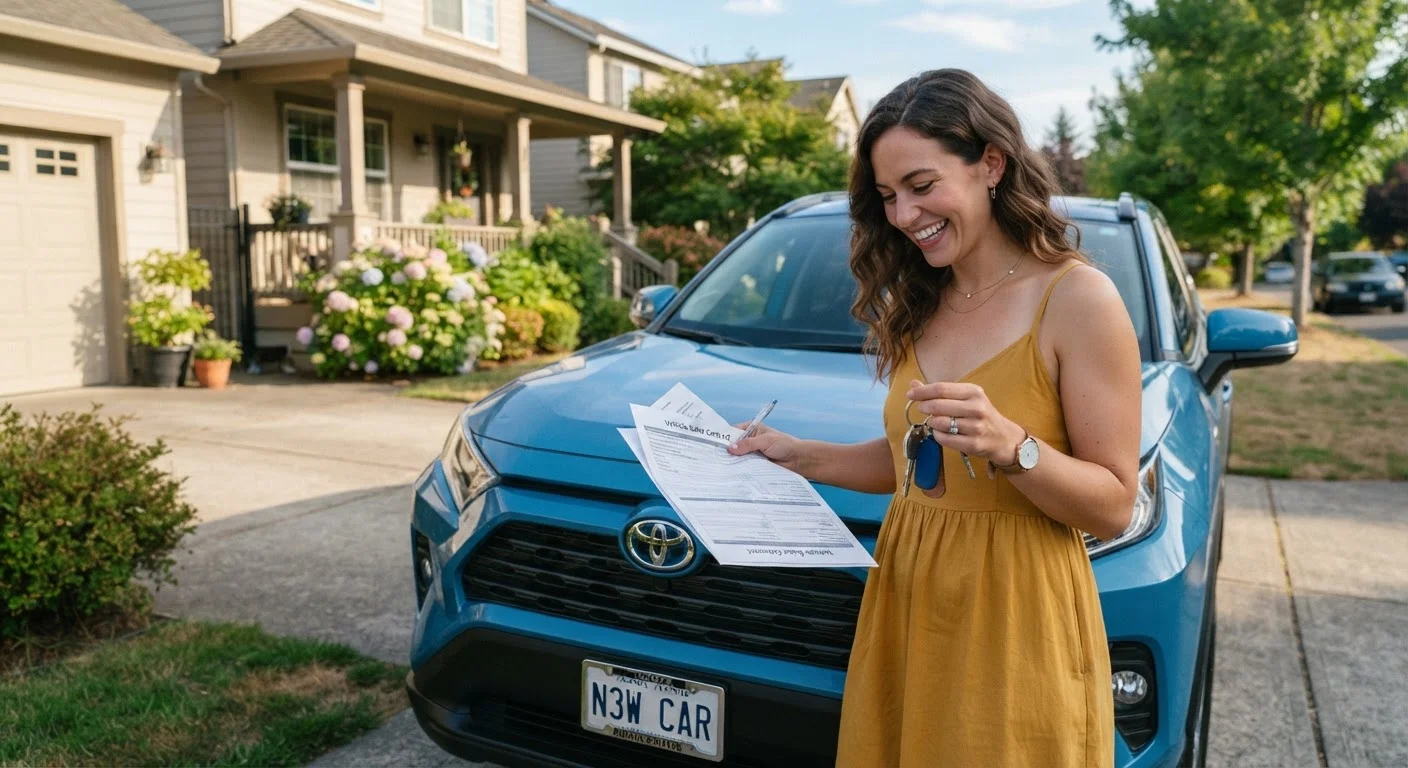
Most states provide a Vehicle Registration Application form - either available at the DMV counter or downloadable from the state DMV website. Fill it out fully and accurately. Errors on this form can delay processing or require a return visit. Double-check the VIN (Vehicle Identification Number) against the actual vehicle before submitting.
Submit your application and pay the fees
You can submit in person at a DMV office, by mail, or online in states that allow it. In-person visits let you resolve issues on the spot. Fees typically cover a base registration cost plus variable charges based on your vehicle's weight, age, or assessed value. Budget for the possibility that your state also collects local or county taxes at this stage.
Receive your registration and plates
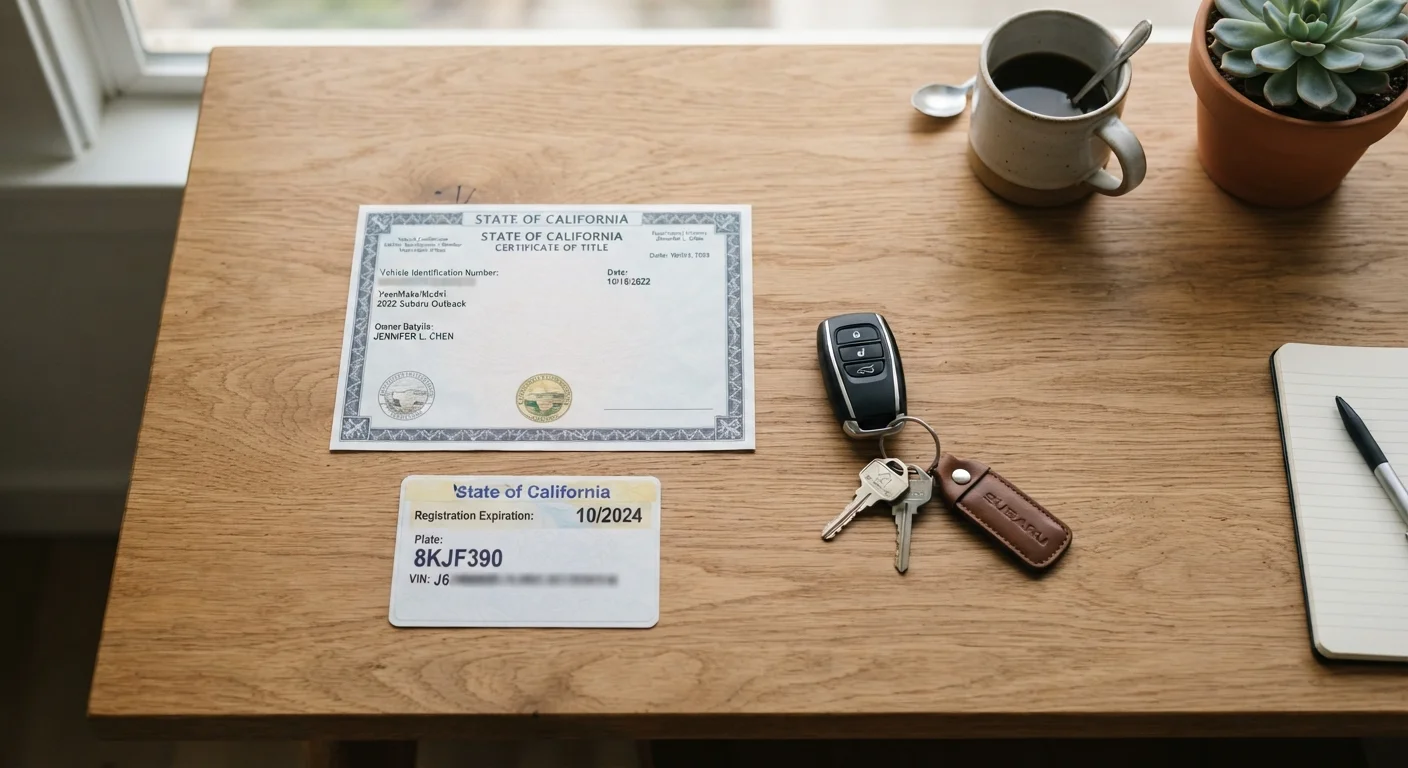
Once approved, you'll receive a registration certificate and, if it's a new vehicle or you're new to the state, license plates. Attach plates to your vehicle immediately using tamper-resistant hardware. Your registration certificate should be kept in the vehicle at all times - the glove compartment is the standard location. You'll also receive a registration sticker (decal) to affix to your plate as directed by your state.
Registration Deadlines Are Legally Binding
Operating an unregistered vehicle on public roads is illegal in every U.S. state and can result in fines, vehicle impoundment, or both. Most states give new owners between 30 and 90 days to complete registration - check your state's DMV website for the exact window. If you've recently moved from another state, you're typically required to re-register within 30 to 60 days of establishing residency.
Staying on Top of It After Registration
Once registered, your job is to keep that status current. Mark your renewal date on your calendar - most states mail a renewal notice 30 to 60 days before expiration, but relying solely on that notice is risky if you've moved or if mail delivery lags. Many DMVs now offer email or text renewal reminders if you opt in.
Store your registration certificate in the vehicle. If your state issues a new sticker each cycle, apply it promptly and remove the old one cleanly. For more on organizing your car paperwork over time - including what to keep, what to discard, and how to track renewal cycles - see our long-term car paperwork guide.
Online and Mail-In Options Can Save Time
Many states now allow registration renewals - and in some cases initial registrations - to be completed entirely online or by mail. This is worth checking before you plan a DMV visit. Even if your initial registration requires an in-person appearance, future renewals may not. Check your state DMV's website for what's available in your situation.