
What Depreciation Actually Means for Car Owners
When you buy a car, you're not just paying for the vehicle - you're also accepting that its value will decline over time. That decline is depreciation, and unlike fuel or insurance, it never shows up as a line item on a statement. Yet it often represents one of the most significant financial costs of owning a vehicle.
Think of it this way: if you purchase a car for $35,000 and sell it five years later for $18,000, you've lost $17,000 to depreciation. That's roughly $280 per month simply from owning the car - before a single tank of gas or oil change.
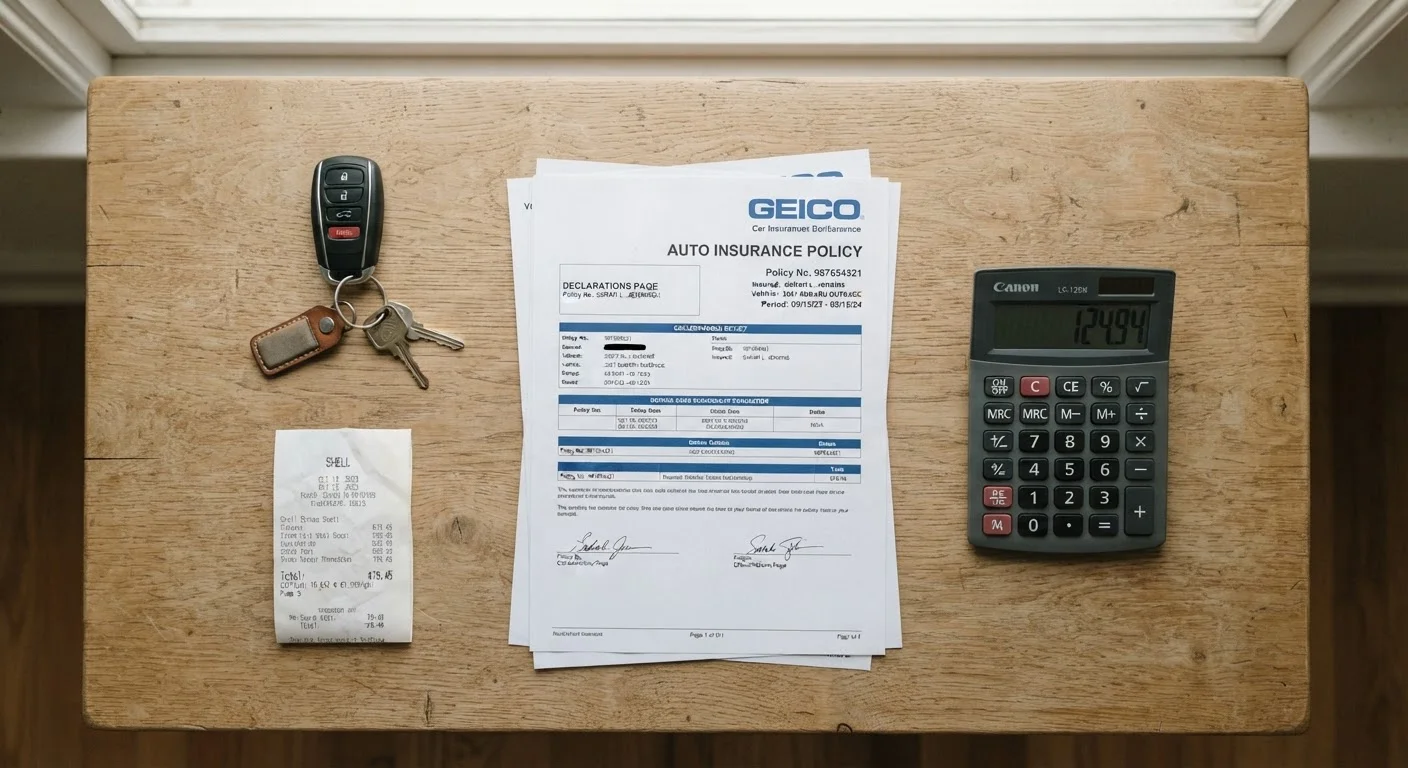
For a fuller picture of what ownership actually costs, it helps to look at all the layers together. See what car ownership actually costs beyond the sticker price for a comprehensive breakdown.
~20%
Average first-year value loss for new cars
Industry estimates commonly place first-year depreciation in the 15-25% range, making the initial ownership period the most financially costly in terms of value loss.
~50%
Typical value remaining after five years
Many vehicles retain roughly half their original purchase price after five years of average use, though this varies significantly by model, condition, and market demand.
$0
Monthly bill you receive for depreciation
Unlike fuel, insurance, or loan payments, depreciation accrues silently - it only becomes visible when you sell or trade your vehicle.
When Depreciation Hits Hardest
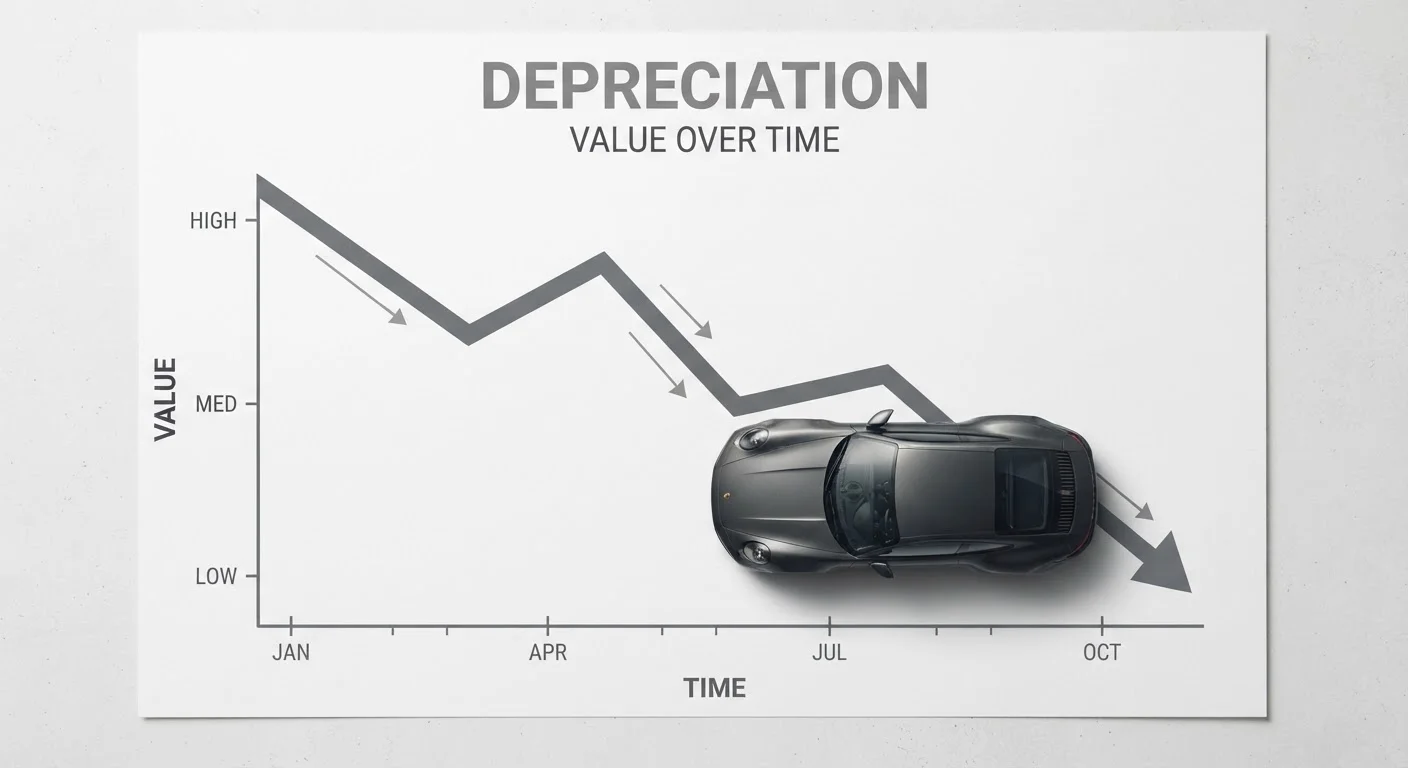
The depreciation curve is steepest at the beginning. A new vehicle starts losing value the moment it leaves the dealership - not because anything has gone wrong with it, but because it's no longer new. In the first few years, cumulative depreciation can be substantial, after which the rate typically levels off.
This front-loaded loss is why many financial analysts point to used vehicles as a more value-efficient purchase. When you buy a car that's two or three years old, the prior owner has already absorbed that sharpest drop. You're entering the ownership curve at a flatter slope.
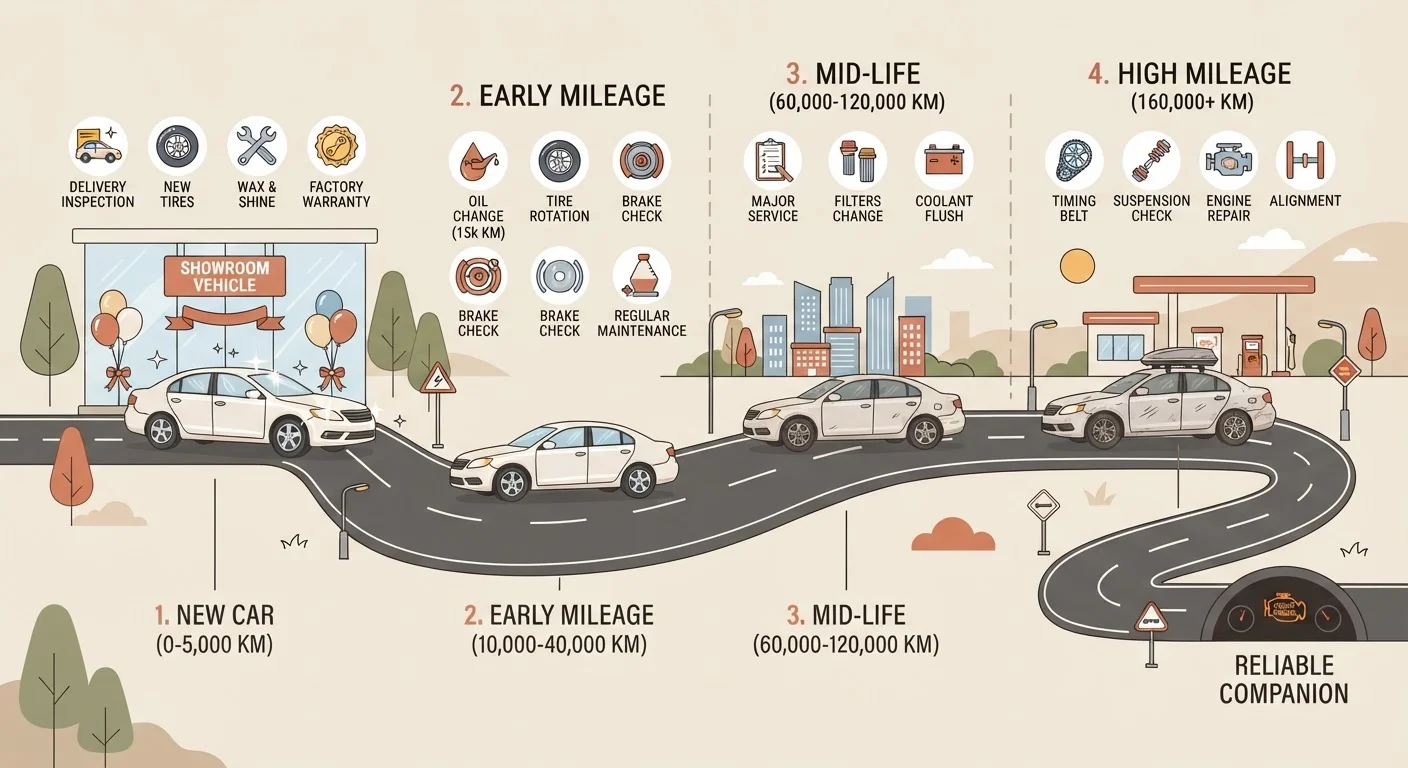
Mileage accelerates depreciation further. A car driven 20,000 miles per year will generally lose value faster than one driven 10,000 miles annually. Condition matters too - a vehicle with documented maintenance history and no accident record will hold more of its value than a comparable one without those records. See how maintenance needs evolve across a vehicle's lifetime for guidance on keeping your car in good standing.
How Depreciation Interacts With Your Loan
Depreciation becomes especially important when you're financing a vehicle. Auto loans are structured so that you pay interest heavily in the early months. During that same period, the car is also losing value rapidly. The combination can leave you underwater - owing more on the loan than the car is currently worth.
This gap between loan balance and vehicle value is why gap insurance exists. If a car is totaled or stolen while you're underwater, a standard insurance payout covers only the vehicle's current market value, not what you still owe the lender. Gap coverage is designed to bridge that difference.
Check Your Loan-to-Value Ratio Early
Shortly after buying a financed vehicle, it's worth checking your loan balance against the car's current estimated market value. If you're underwater, knowing early gives you options - like adjusting your payoff strategy or ensuring you have gap coverage in place. Many lenders and third-party valuation tools can help you estimate current market value.
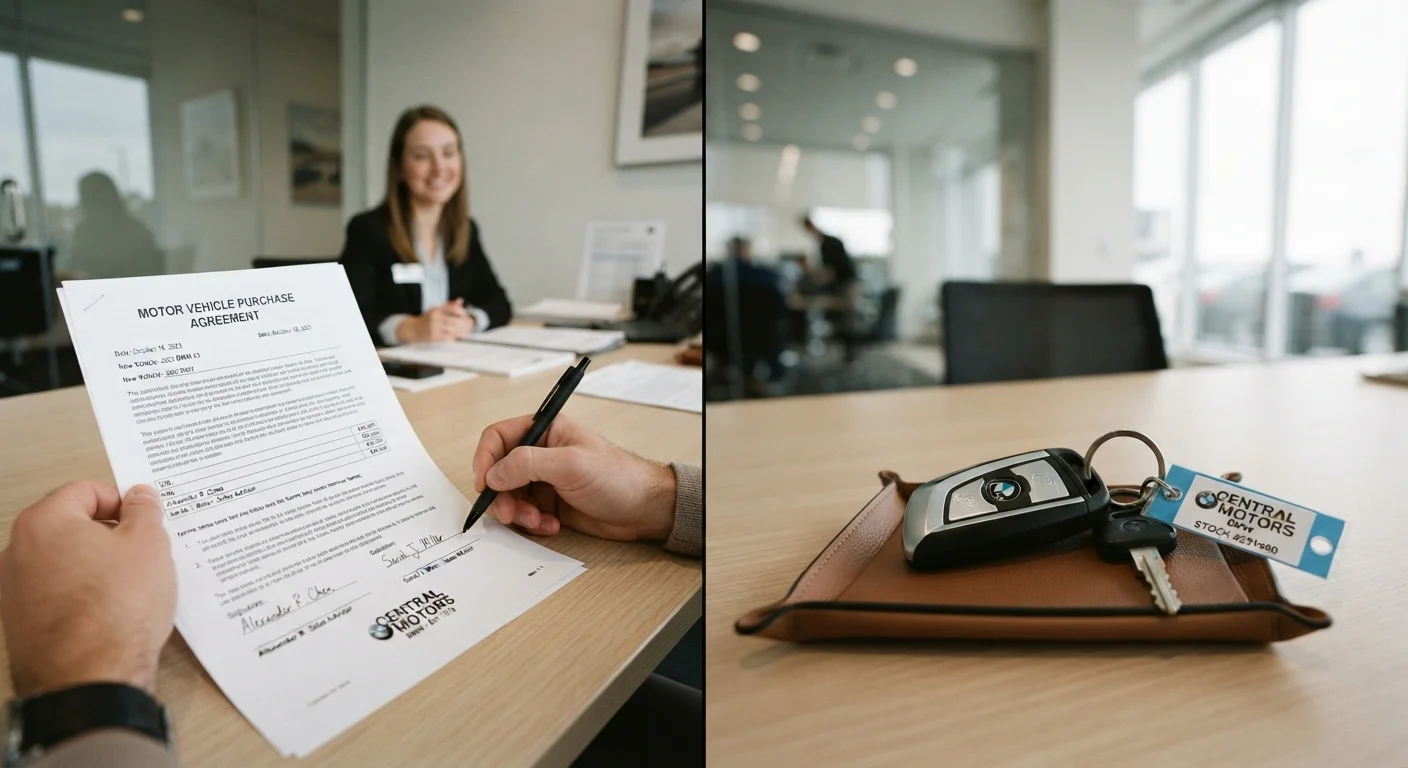
If you're weighing a loan against a lease, depreciation plays a central role in how each product is priced. Lease payments are essentially structured around a vehicle's projected depreciation during the lease term. Understanding how financing and leasing compare financially can help clarify which approach better fits your situation.
Using Depreciation Knowledge to Your Advantage
You can't stop depreciation, but you can factor it into your decisions. If you plan to keep a vehicle for ten or more years, the rate of early depreciation matters less - you'll spread that loss over a longer period and likely squeeze more value out of each dollar spent. If you tend to change vehicles every three to four years, buying used often makes more financial sense.
Researching how specific models hold their value over time - before you buy - is a reasonable step. Some vehicle categories have historically retained value better than others, though market conditions shift and past trends don't guarantee future outcomes.
When it's time to sell or trade in, your car's condition, service records, and mileage will all influence the offer you receive. Selling privately versus trading through a dealership also involves trade-offs worth understanding. And if you want to get fluent in the language of car ownership more broadly, the car ownership glossary covers terms like residual value, equity, and lien that come up regularly in depreciation-related conversations.
This article is for general informational purposes only and does not constitute financial or legal advice. Consult a qualified financial professional for guidance specific to your situation.