
Why the Sticker Price Is Only Part of the Story
When most people budget for a car, they focus on the monthly payment or the sale price. But the true financial commitment of owning a vehicle stretches well beyond what you hand over at signing. According to AAA's annual Your Driving Costs study, the average American spends over $10,000 per year to own and operate a new vehicle - a figure that surprises many first-time buyers.
Understanding the full picture matters because ownership costs vary dramatically by vehicle type, where you live, how much you drive, and how you finance the purchase. A clear-eyed look at every cost category lets you compare options honestly - whether you're weighing a new sedan against a used SUV, or deciding between buying and leasing. See our breakdown of financing vs. leasing to understand how the structure of a deal shapes long-term cost.
$10,000+
Average annual cost to own and operate a new vehicle
According to AAA's Your Driving Costs study, covering depreciation, fuel, insurance, maintenance, and financing.
~50%
Typical value lost in first five years of ownership
Depreciation rates vary by make, model, and market conditions, but new vehicles commonly lose half their value within five years.
$5,600+
Interest paid on a typical 60-month auto loan
Based on a $30,000 loan at 7% APR over five years - a common financing scenario for mid-range vehicles.
Depreciation: The Biggest Cost Nobody Talks About
Depreciation - the loss in a vehicle's market value over time - is typically the single largest ownership expense, yet it's invisible on any monthly statement. A new car loses roughly 15-25% of its value in the first year alone, and around 50% or more over five years, though exact figures vary by make, model, and market conditions.
This matters most when you sell or trade in. If you paid $35,000 for a vehicle and it's worth $18,000 five years later, that $17,000 difference is a real cost of ownership - even if you never had an unexpected repair bill.
Check the residual value projections for any vehicle you're seriously considering before you buy - brands with stronger resale histories effectively cost less to own over time, even if the sticker price is similar.
Depreciation is the largest ownership cost for most drivers, so vehicles that hold their value better reduce the total financial loss at trade-in or sale.
When comparing two vehicles, build a side-by-side five-year cost table rather than just comparing monthly payments - the cheaper monthly option is often the more expensive vehicle overall.
Longer loan terms and lower-efficiency vehicles frequently make a car look affordable month to month while costing significantly more in total interest and fuel.
Used vehicles depreciate more slowly because the steepest drop has already happened. That's one reason a two- or three-year-old certified pre-owned car can represent a different value proposition than a new one. For a plain-language explanation of terms like residual value and trade-in equity, the car ownership glossary is a practical reference.
Insurance, Registration, and Taxes
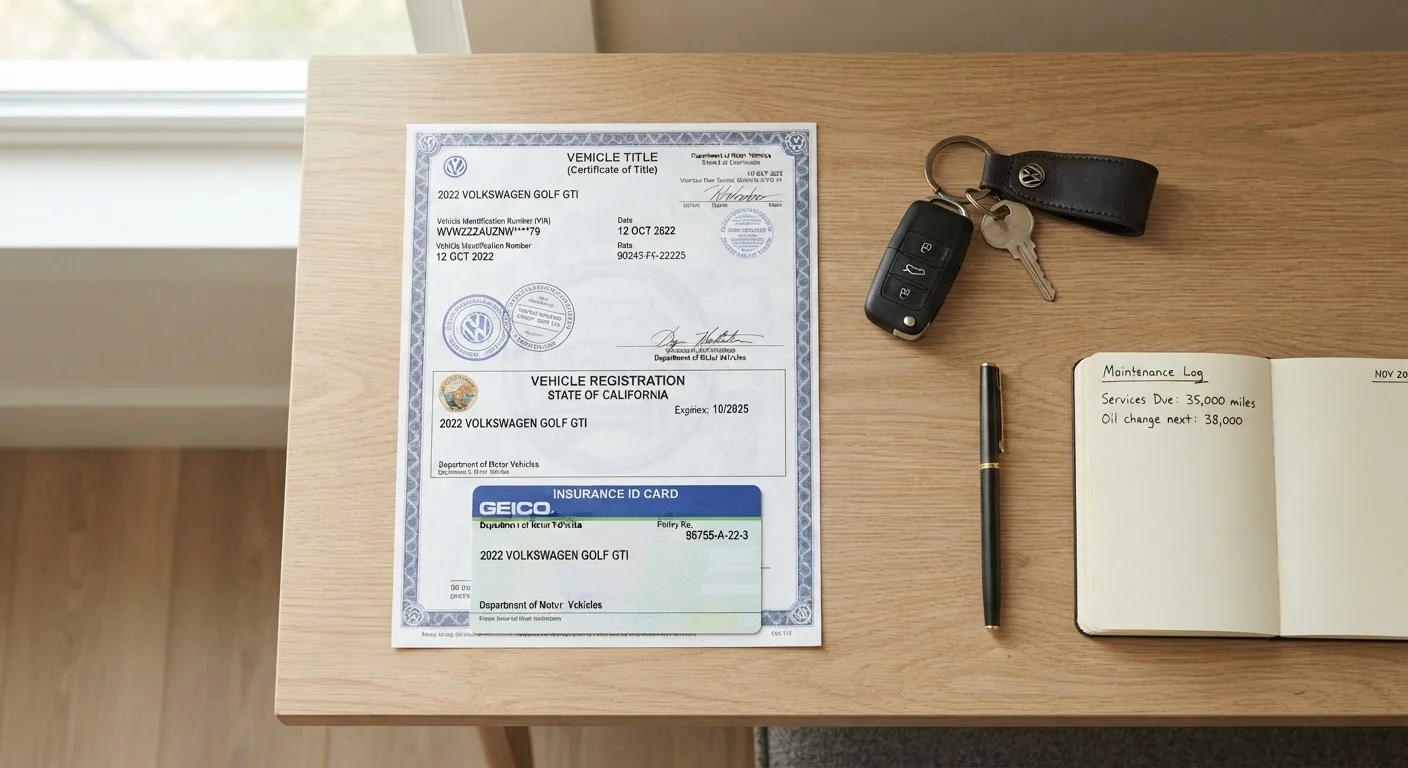
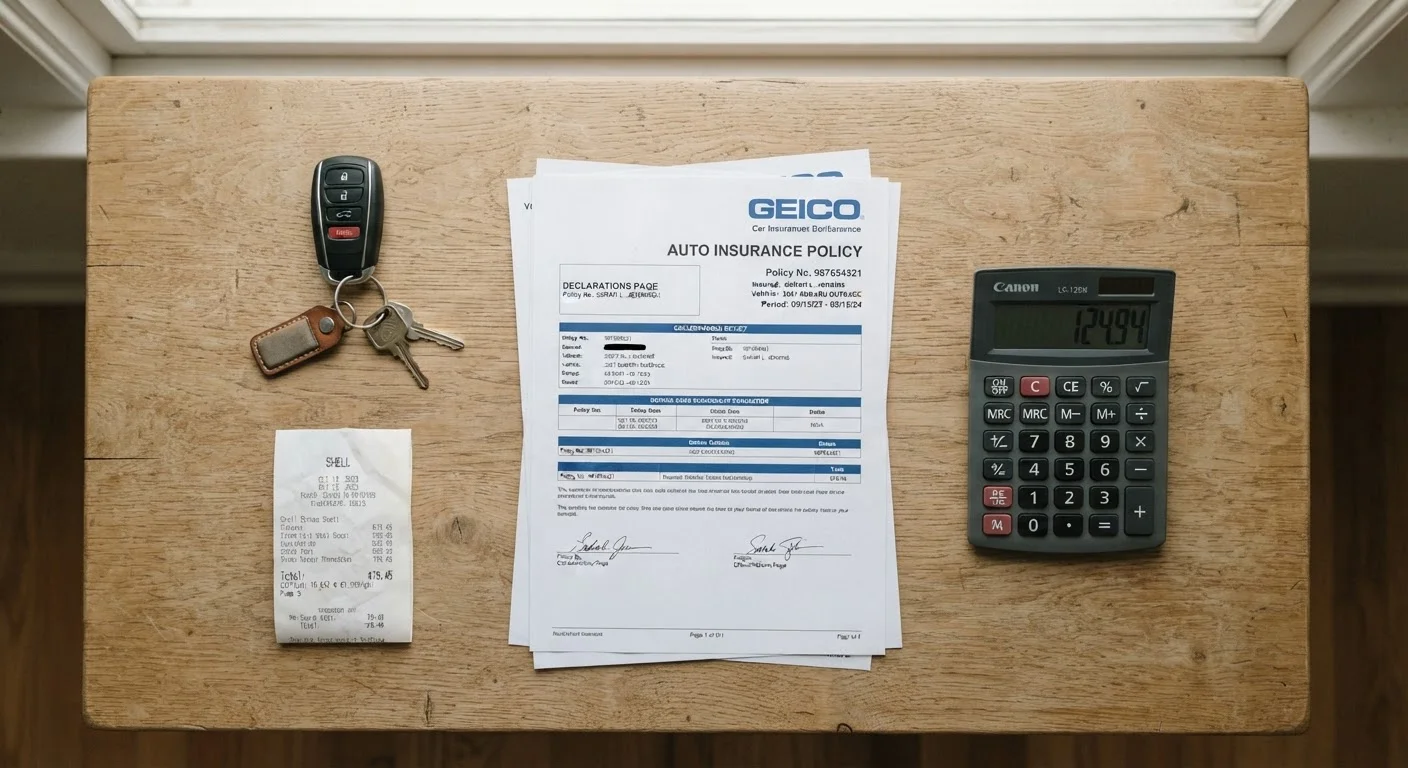
Auto insurance is a mandatory recurring cost in virtually every U.S. state, and premiums differ substantially based on your driving record, ZIP code, age, vehicle model, and the coverage levels you choose. Nationally, full-coverage insurance averages well above $1,500 per year for many drivers, though individual quotes will vary widely.
Beyond insurance, factor in:
- State registration fees - assessed annually and sometimes tied to vehicle value or weight.
- Sales tax - typically 4-10% of the purchase price, depending on the state.
- Title and documentation fees - usually paid at purchase, ranging from modest to several hundred dollars depending on the dealer and state.
- Personal property tax - levied annually in some states based on the vehicle's assessed value.
Don't Skip the Insurance Quote Before You Buy
Insurance costs vary significantly by vehicle model - two cars with identical sticker prices can carry very different premiums based on safety ratings, repair costs, and theft rates. Getting a real quote for the specific vehicle before you commit prevents an unpleasant surprise after the paperwork is signed.
These costs are easy to overlook when comparing sticker prices, but they directly affect affordability in year one and every year after.
Fuel and Maintenance Over Time
Fuel is the most visible ongoing expense. At current national average prices, driving 15,000 miles per year in a vehicle getting 28 mpg costs roughly $1,500-$2,000 annually in gasoline - more for trucks or less-efficient models, less for hybrids or EVs (though EVs carry their own charging costs).
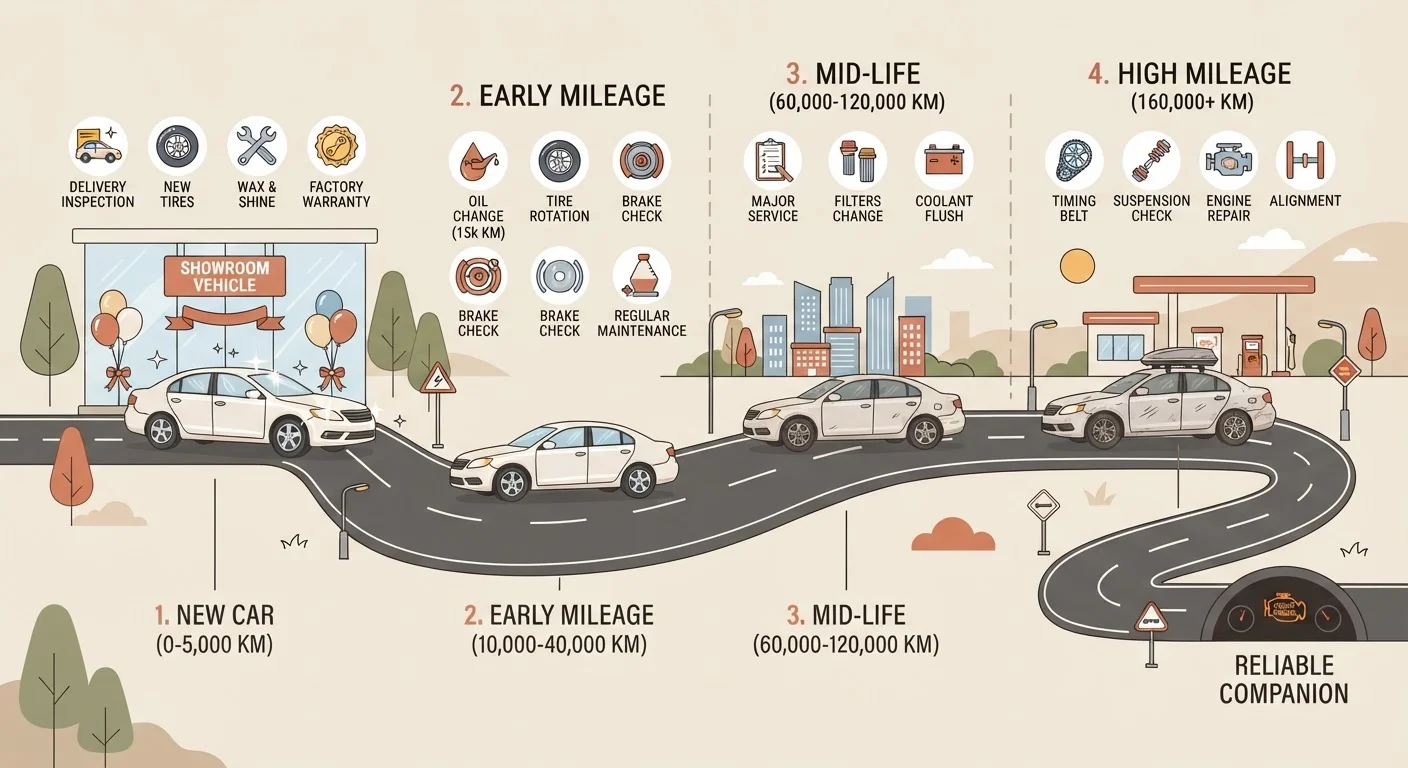
Routine maintenance - oil changes, tire rotations, brake service, filters, and fluid replacements - adds another $500-$1,200 per year for most vehicles under normal driving conditions. As mileage accumulates, larger services (timing belt, transmission service, suspension components) become part of the picture. The full lifecycle of car maintenance explains how these costs evolve as your vehicle ages.
Keeping up with scheduled maintenance protects both safety and resale value. Skipping services to save money in the short term frequently leads to larger repair bills later. The car maintenance hub is a good starting point for building a realistic upkeep schedule.
Save on Maintenance Without Cutting Corners
Following the manufacturer's recommended maintenance schedule - rather than the oil-change shop's more frequent suggestions - keeps costs in check without risking your vehicle's reliability. Keep all service records, as a documented maintenance history meaningfully supports resale value.
Financing Costs and Opportunity Cost
If you finance a vehicle, the interest paid over the loan term is a direct ownership cost. On a $30,000 loan at 7% APR over 60 months, you'll pay roughly $5,600 in interest - money that goes to the lender, not toward the vehicle's value. Longer loan terms lower the monthly payment but increase total interest paid.
There's also an opportunity cost to consider: money tied up in a down payment or spent on interest could otherwise be saved or invested. This doesn't mean financing is always the wrong choice - it means the full cost of a car purchase includes more than the price tag.
“The monthly payment is the worst way to evaluate the cost of a car. It's designed to make an expensive vehicle feel affordable by stretching out the commitment - often well past the point where the loan balance exceeds the car's value.”
— Consumer Financial Protection Bureau, U.S. federal agency providing consumer financial education
How to Get a Realistic Total Cost Estimate
Before committing to a vehicle, build a five-year cost estimate that includes every major category: depreciation, insurance (get real quotes), fuel (based on your actual driving), maintenance, registration and taxes, and financing interest. Several free online tools - including AAA's cost calculator and Edmunds' True Cost to Own tool - can help you structure this estimate.
A few practical steps:
- Get insurance quotes for the specific vehicle before you buy, not after.
- Look up the registration and tax rates in your county or state.
- Research the vehicle's reliability record to estimate repair frequency.
- Account for your actual annual mileage when estimating fuel costs.
- If financing, calculate total interest using the loan's full term and APR.
If you're weighing a private-sale purchase against a dealership, the trade-offs extend beyond price - warranties, paperwork protection, and financing access all differ. The guide to private vs. dealership purchases walks through those distinctions clearly.
This article is for general informational purposes only and does not constitute financial or legal advice. Consult a qualified financial professional for guidance specific to your situation.