
Why the Choice Matters More Than People Expect
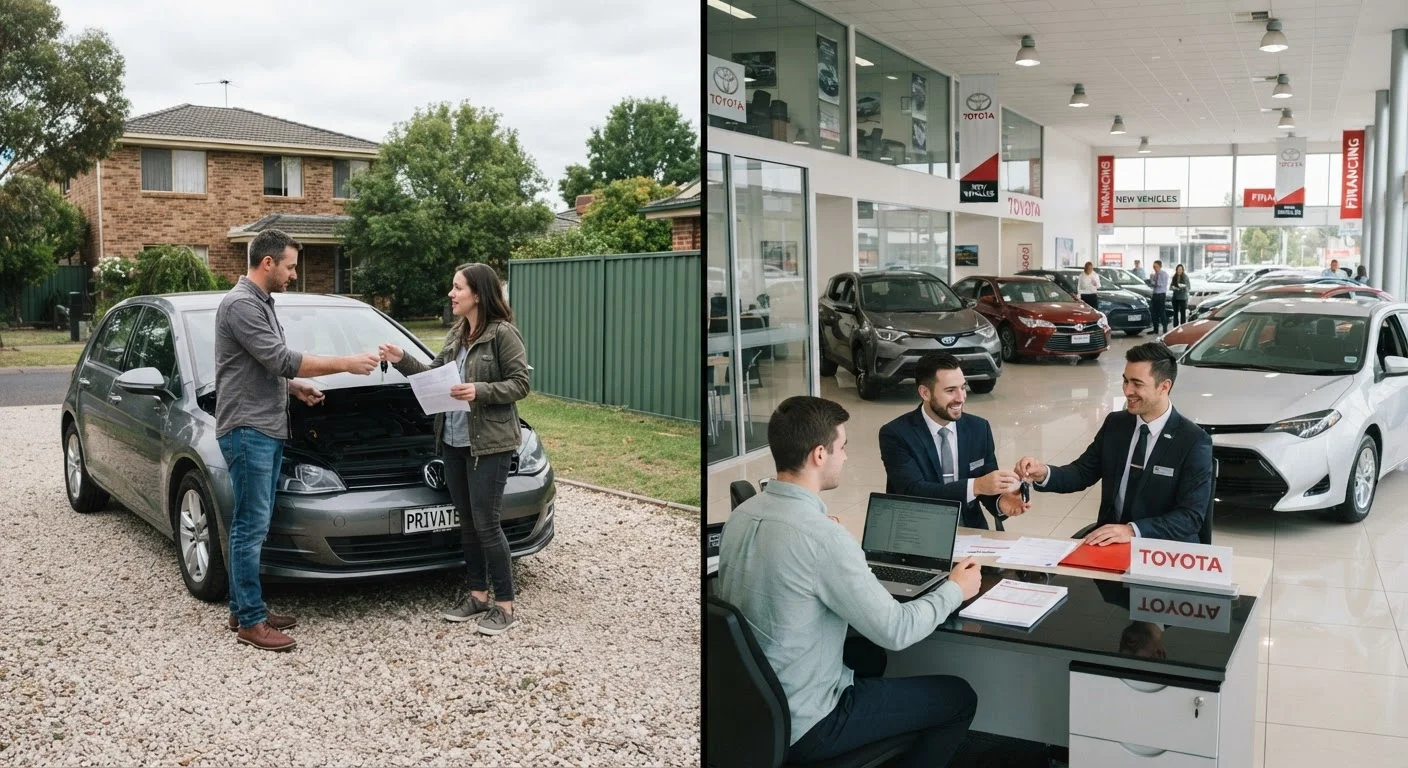
Most buyers focus heavily on the car itself - the make, model, mileage, and color. The channel through which you buy it often gets less attention, but it shapes your legal protections, your financing options, and how smoothly the ownership transfer goes. Understanding those differences upfront saves headaches later.
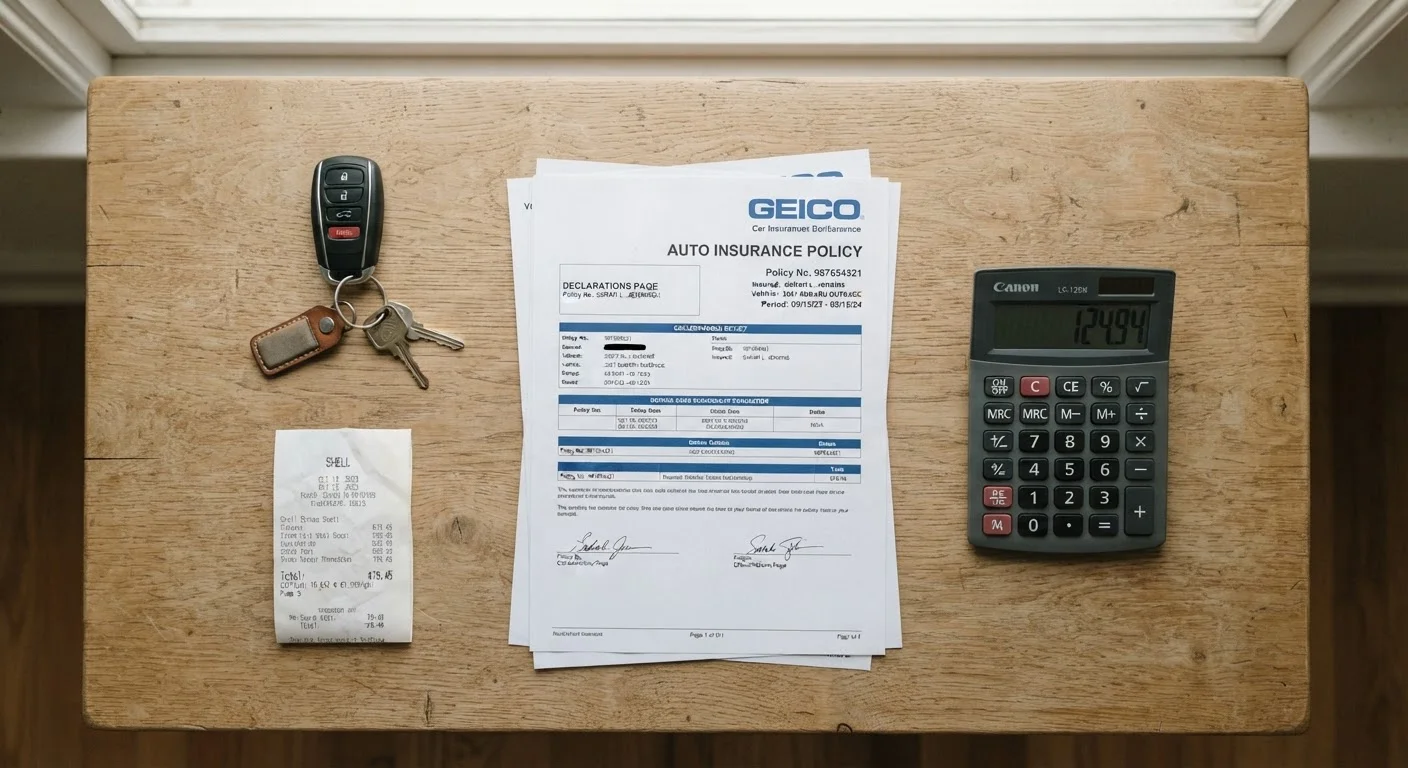
Both private sales and dealership purchases are legitimate routes to a used vehicle in the US market. They just carry different risks, different processes, and different costs - and knowing which trade-offs you're walking into helps you negotiate and plan more effectively. For a fuller picture of what ownership will actually cost you, it's also worth reviewing what car ownership actually costs beyond the purchase price.
Buying Privately: The Trade-Offs
Private sellers - individuals listing their own vehicles on platforms or through classified ads - generally price lower than dealers. They don't carry overhead costs like lot fees, reconditioning labor, or sales commissions, and that gap sometimes shows up meaningfully in the asking price.
Lower purchase prices with room to negotiate
Private sellers typically price below dealer retail because they have no overhead or commission costs. Motivated sellers - moving, upgrading, or clearing space - may accept offers well below asking.
Wider variety of vehicles and price points
The private market spans everything from older high-mileage cars to well-maintained late-model vehicles, often at price points dealerships don't carry.
Direct seller history and context
You can speak directly with the person who owned and drove the car, which sometimes yields honest information about maintenance habits, known quirks, or why they're selling.
The flip side is that private sales in most US states are completed "as-is." Once you hand over the money, your legal recourse if something goes wrong is extremely limited. There's no implied warranty of merchantability the way there is with licensed dealers in many states. If the transmission fails a week after purchase, you typically bear that cost yourself.
Sold as-is with little legal recourse
Most private sales in the US carry no implied warranty. If a defect surfaces after purchase, the buyer typically has no legal path to recovery unless fraud can be proven.
Buyer bears full due-diligence burden
Vehicle history checks, pre-purchase inspections, lien verification, and title review are entirely the buyer's responsibility. Skipping any step carries real financial risk.
Financing is harder to arrange
Securing a loan for a private-sale vehicle requires working with your own lender in advance, and some institutions won't finance older or high-mileage cars at all.
Title transfer errors fall on the buyer
Mistakes in private title paperwork - incorrect signatures, unresolved liens, missing documents - can cause registration delays or legal disputes that take months to resolve.
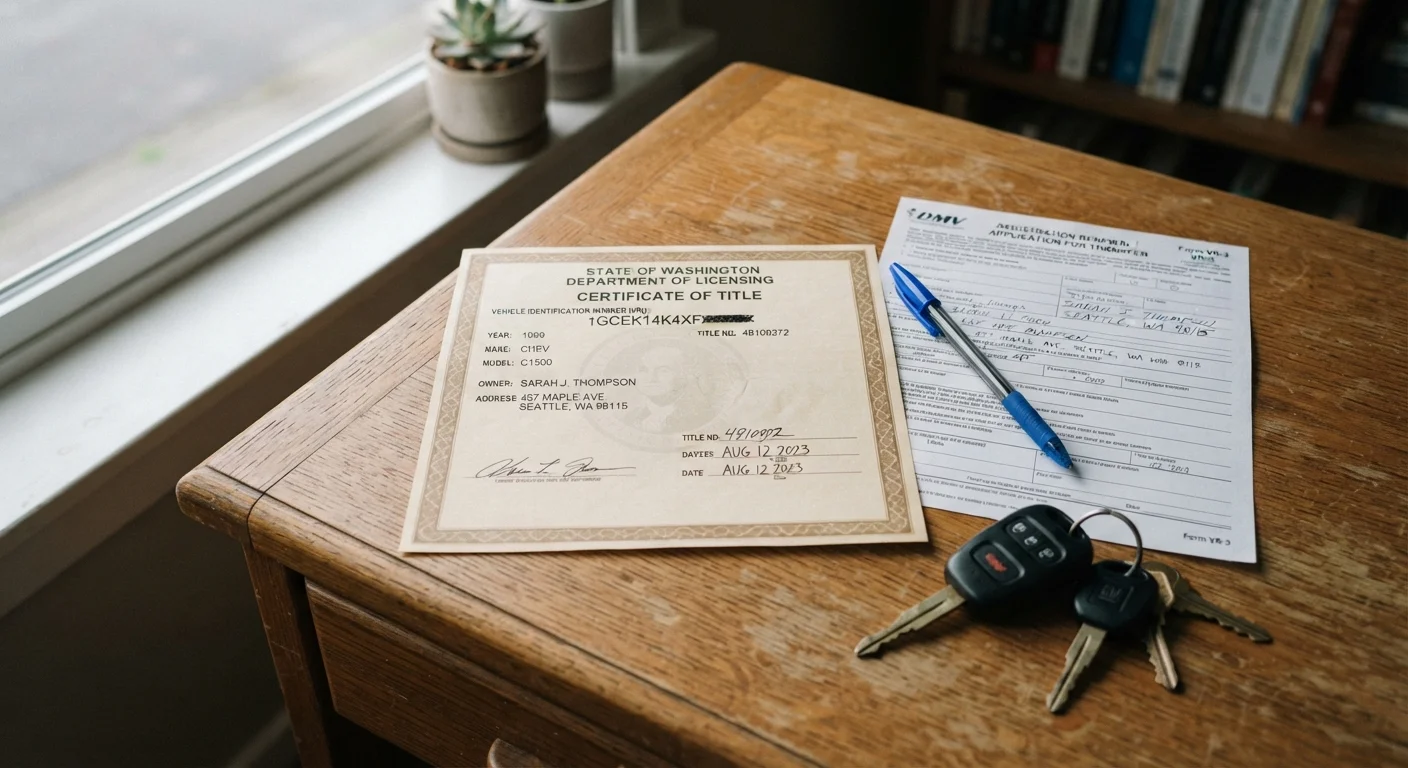
Paperwork is also the buyer's responsibility to verify. A private seller may not be clear on lien status, title cleanliness, or whether the odometer reading is accurate. Running a vehicle history report and arranging an independent pre-purchase inspection from a qualified mechanic are not optional steps in a private transaction - they're essential. Our guide on what goes wrong with title transfers is worth reading before you sign anything.
Always Get an Independent Pre-Purchase Inspection
Regardless of where you buy a used vehicle, having a qualified mechanic inspect it before purchase is one of the most cost-effective steps you can take. A pre-purchase inspection typically costs $100-$200 and can surface mechanical issues, deferred maintenance, or hidden damage that neither a vehicle history report nor a test drive will reveal. Most sellers - private or dealer - will accommodate a reasonable inspection request. If a seller refuses, treat that as a significant red flag.
Buying Through a Dealership: The Trade-Offs
Licensed dealerships operate under state-level regulations that private sellers don't. In most states, dealers are required to disclose known defects, provide a Buyers Guide (mandated by the FTC for used vehicles), and handle the title transfer process on your behalf. That regulatory layer provides a baseline of accountability that a private seller simply can't offer.
Dealers also give you financing access on-site, though it pays to compare their rates against your own bank or credit union before agreeing to anything. See our pre-financing checklist for what to confirm before signing loan papers. Certified Pre-Owned programs, where offered, add powertrain warranties and inspection standards that private sales never include.
~$1,000-$3,000
Typical dealer markup over private-sale price
Industry observers and automotive pricing guides consistently note that used vehicles sold through dealerships carry a markup to cover reconditioning, overhead, and profit - often in the four-figure range depending on vehicle value.
1 in 5
Used cars with undisclosed title problems
Vehicle history data providers have reported that a significant share of used vehicles carry undisclosed issues - including salvage titles, prior damage, or odometer discrepancies - reinforcing the importance of independent history checks in any purchase channel.
The cost of those protections is baked into the price. Dealer vehicles typically carry a markup over private-sale equivalents to cover overhead, reconditioning, and profit margin. Fees - documentation fees, dealer prep charges - can also add several hundred dollars to the transaction total. Negotiating these fees is reasonable; some are fixed by state law, others are flexible.
Financing and Paperwork Differences
If you're not paying cash, the buying channel significantly affects your financing path. Dealerships can arrange financing directly, sometimes offering promotional rates, though the structure of those loans deserves careful scrutiny. Private sales require you to secure financing independently - through a bank, credit union, or personal loan - before you complete the purchase. Some lenders won't finance vehicles above a certain age or mileage, which can limit your options on older private-sale cars.
Title paperwork is another area where the channels diverge. Dealers handle title transfers routinely and typically submit documentation to the DMV on your behalf. In a private sale, both parties are responsible for completing the title correctly, paying applicable transfer fees, and meeting state deadlines. Errors here can delay registration or create ownership disputes. If you're considering how financing structure interacts with long-term cost, understanding how auto loans actually work provides useful context.
Depreciation affects the financial logic of used car purchases regardless of channel - a used vehicle that has already absorbed the steepest part of its depreciation curve can represent better value than a new one. How depreciation affects car ownership finances breaks that down in more detail.