
Why Solo Travel Feels Harder Than It Is
Most first-time solo travelers don't struggle with logistics - they struggle with anticipatory anxiety. The mental gap between imagining a trip alone and actually doing it tends to be far wider than the practical gap. Understanding why that happens is the first step to closing it.
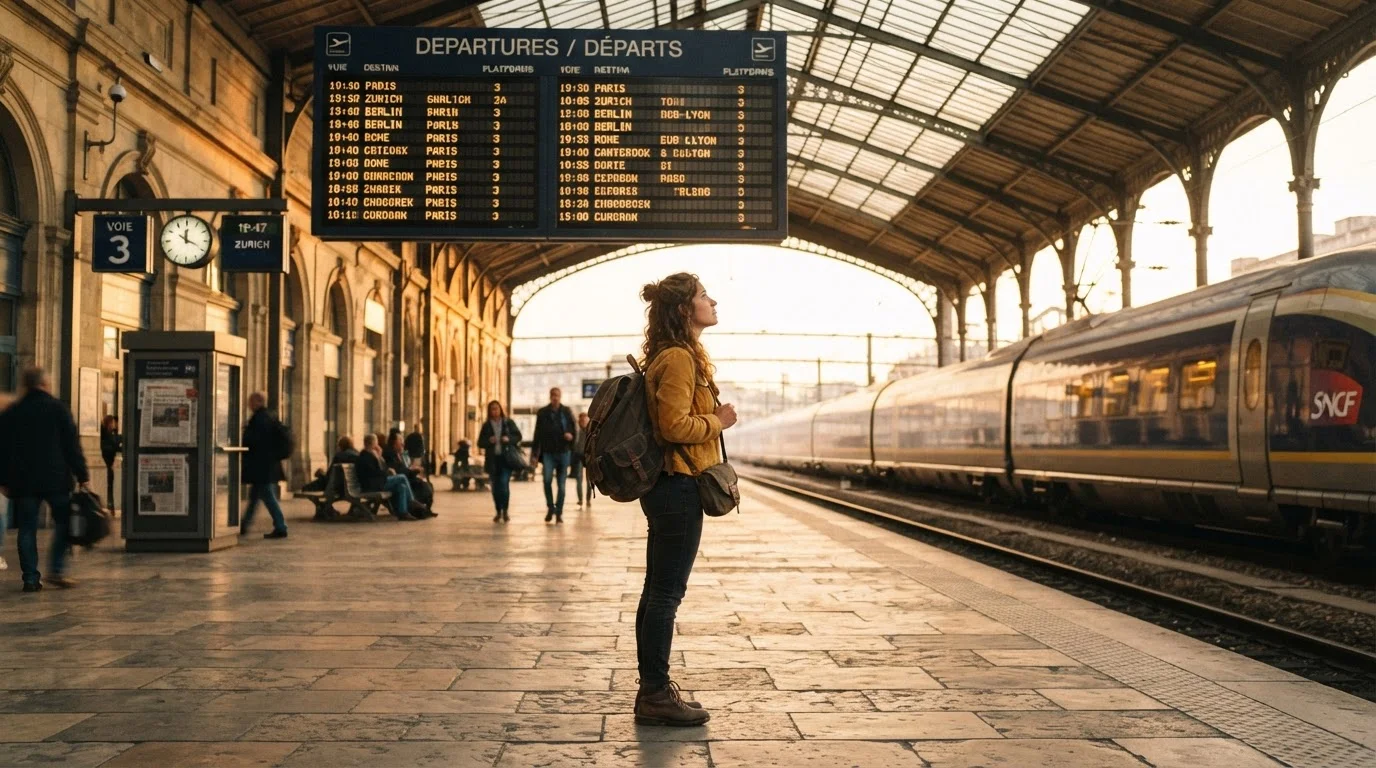
The brain treats unfamiliar scenarios as threats. Solo travel removes every familiar buffer: no companion to double-check the train platform, no one to split a confusing bill with, no shared laugh when something goes sideways. What it gives you instead is complete autonomy - and that's both exhilarating and intimidating in equal measure.
The practical reality is that millions of people travel solo every year across virtually every age group and background. Tourism infrastructure in most popular destinations is built around individual travelers. Hotels, tour companies, and transportation systems are all designed to serve people arriving alone. The friction points that feel enormous in planning usually dissolve within the first 24 hours of a trip.
Build Confidence Before You Leave
Practice the micro-skills of solo travel before your trip: navigate an unfamiliar neighborhood alone, eat at a restaurant by yourself, or take an unplanned day trip somewhere new. Each of these low-stakes experiences trains the mental muscle you'll rely on abroad.
If you're undecided on where to begin, the domestic vs. international first trip debate walks through the honest trade-offs so you can make a grounded choice rather than defaulting to the easier option out of anxiety.
Choosing Your First Solo Destination
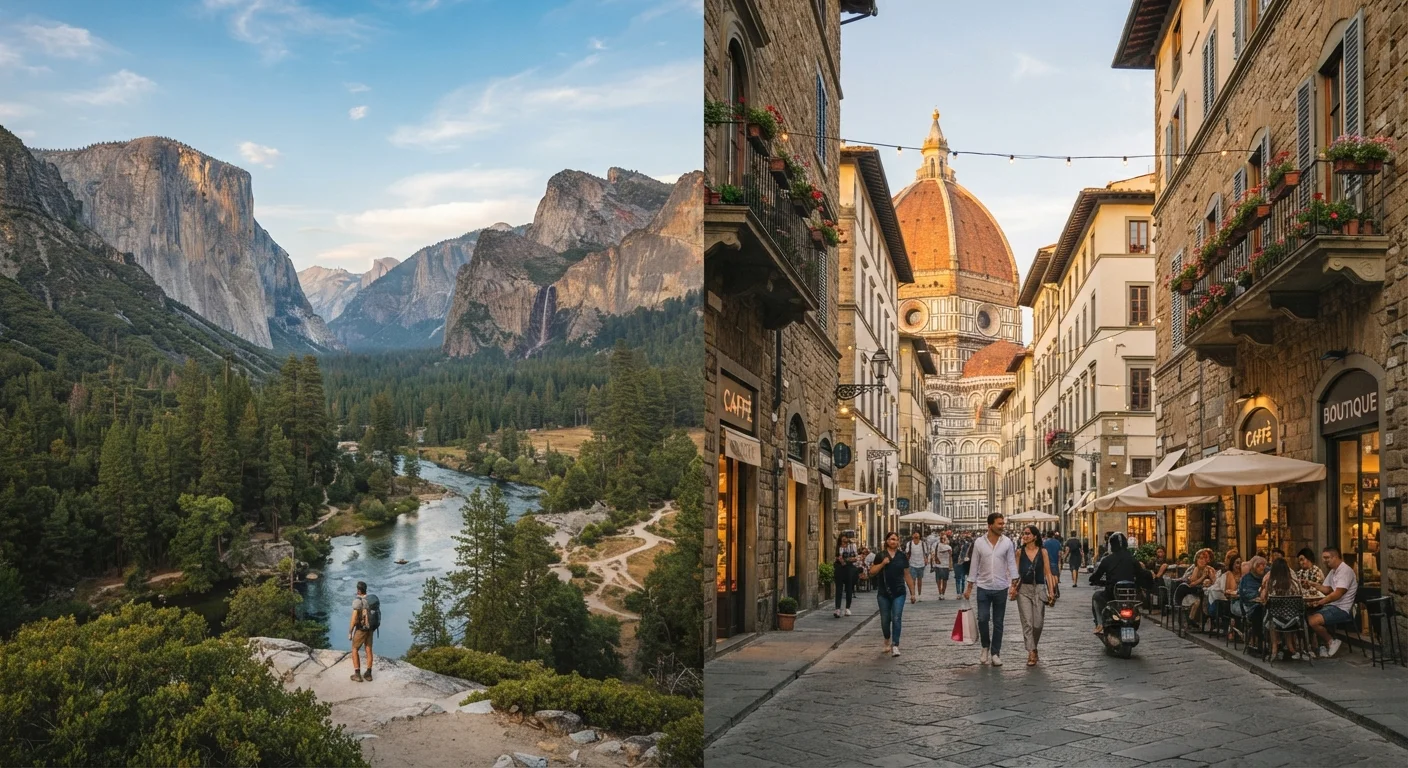
The single most confidence-building decision you'll make is choosing the right first destination. A forgiving environment - one with clear signage, reliable transit, low language barriers, and active traveler communities - lets you focus on the experience rather than managing constant uncertainty.
Practical factors to weigh when evaluating a destination:
- Tourism infrastructure: Are transportation connections between major sights well-marked and regularly serviced?
- English availability: In areas with high tourist traffic, how common is English-language support?
- Solo traveler density: Destinations with active hostel scenes and walking tours naturally generate meeting opportunities.
- Safety profile: Look beyond headline rankings - neighborhood-level context matters more than country averages.
Cities frequently cited by experienced solo travelers as accessible starting points include Lisbon, Tokyo, Amsterdam, and Vancouver. Each offers strong public transit, walkable neighborhoods, and robust traveler communities. Tokyo as a first international destination is a particularly useful read if you're drawn to Asia - it covers what makes the city approachable and what still catches newcomers off guard.
Solo supplement
An extra fee charged by hotels, cruise lines, and tour operators to solo travelers because the price was originally set assuming two people sharing the cost.
Tourism infrastructure
The network of transportation, accommodation, signage, and services that a destination has built to support visitors - more developed infrastructure generally means easier independent travel.
Situational awareness
The habit of actively reading your surroundings - noticing who is nearby, what feels off, and what exits or options are available - so you can respond calmly to changes.
Offline maps
Map data downloaded to your phone before a trip so you can navigate without a cellular data connection, which is especially useful in areas with poor coverage or expensive roaming.
Free walking tour
A tip-based group city tour led by a local guide, widely available in major destinations, that provides orientation and an easy opportunity to meet other travelers on arrival day.
Planning Fundamentals for Solo Travelers
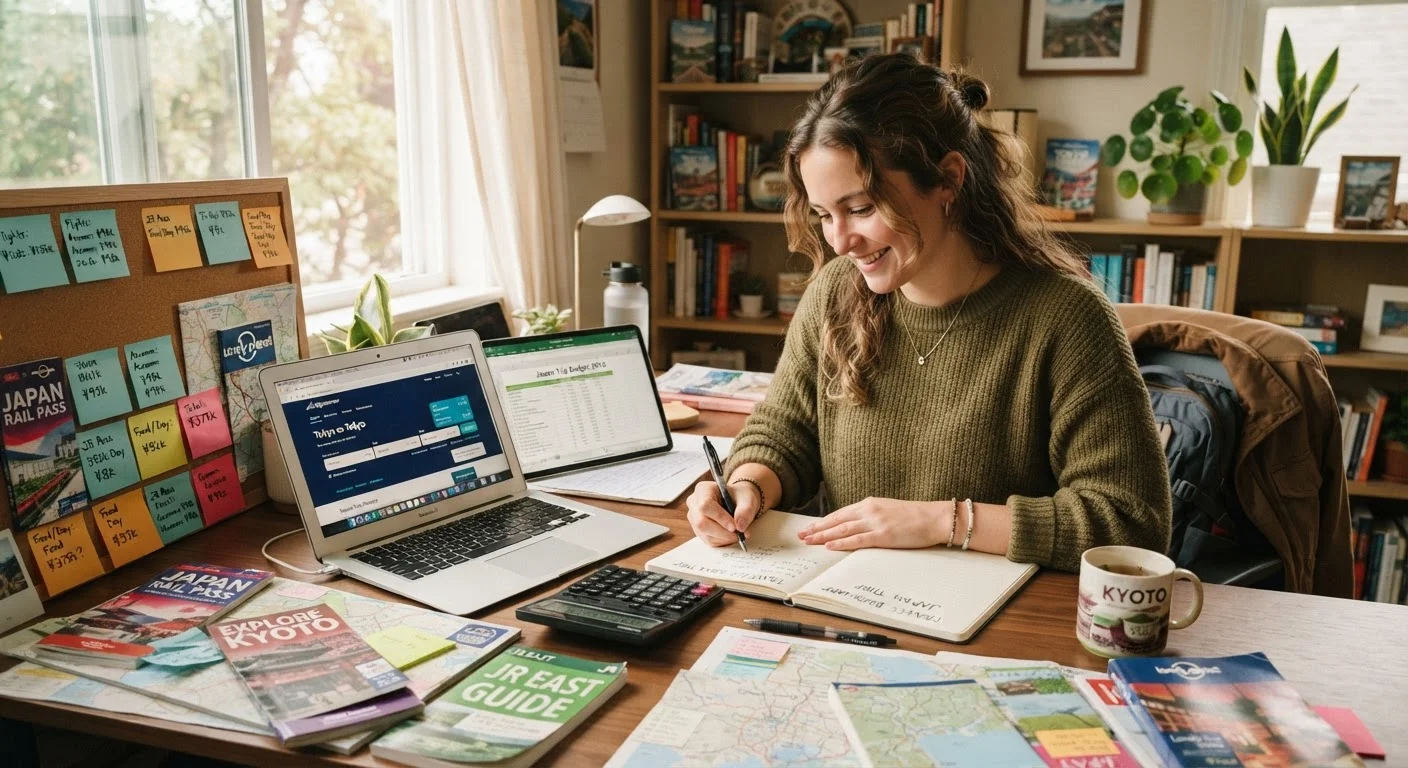
Solo trip planning diverges from group planning in meaningful ways. You carry all the decisions - which is freeing once you're traveling, but can feel paralyzing in the pre-trip phase. The antidote is a loose framework rather than a rigid schedule.
For your first solo trip, focus on these planning priorities:
- Book the first two nights before arrival. Arriving in an unfamiliar city without a confirmed place to sleep creates unnecessary stress. Pre-book accommodation for at least the first 48 hours; leave the rest flexible.
- Download offline maps. Apps like Maps.me or Google Maps offline mode work without a data connection. This is one of the highest-return preparation steps you can take.
- Build a realistic budget. Solo travelers pay single-occupancy rates and can't split costs - factor that in early. Our realistic travel budget guide covers every cost category including the ones most travelers forget.
- Share your itinerary. Email a trusted person at home with your accommodation addresses, flight details, and a general day-by-day plan. Check in periodically during the trip.
For a complete walk-through of the full planning process, trip planning from zero covers every stage from destination research to day-of logistics.
Staying Safe and Aware on the Road
Safety on a solo trip is less about avoiding danger and more about cultivating situational awareness - the habit of reading your environment and adjusting behavior accordingly. Most problems solo travelers encounter are opportunistic rather than targeted, which means visible preparedness goes a long way.
Habits that experienced solo travelers consistently recommend:
- Keep one card and some local cash in a separate location from your wallet - a money belt, a hidden pocket, or a locked luggage compartment.
- Trust discomfort signals. If a person, situation, or neighborhood feels wrong, exit without needing to justify it to yourself.
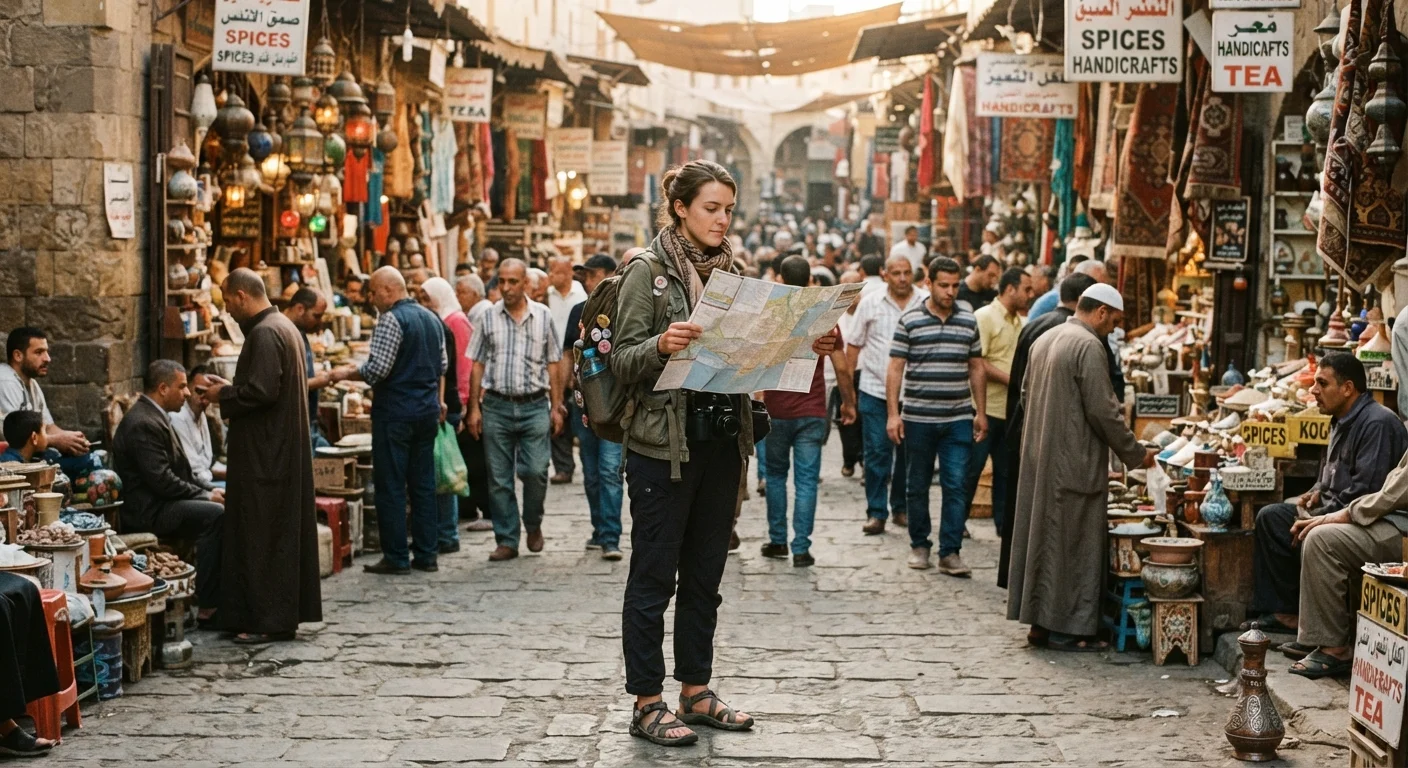
- Avoid broadcasting that you're alone and unfamiliar with an area. Studying maps privately and projecting calm confidence in public reduces visibility as a target.
- Know the local emergency number before you need it - it varies by country.
- Keep your accommodation address written down (not just saved in your phone) so you can show it to a driver or local if your battery dies.
Safety is contextual - the time of day, neighborhood, and your own behavior all shape the risk profile of any given moment. Places, timing, and habits that shape how safe a trip feels breaks down those factors in detail.
Don't Skip Travel Insurance
Solo travelers have no fallback if a medical issue, cancellation, or lost luggage derails a trip - there's no travel companion to share costs or handle logistics. Travel insurance is a meaningful safety net, not a luxury. Verify exactly what your policy covers before departure, including medical evacuation, which can be extremely costly without coverage.
Meeting People and Beating Loneliness
Loneliness is the most commonly reported challenge among first-time solo travelers - and the most underestimated. It tends to surface not during packed activity days but in quieter moments: a restaurant dinner alone, a long afternoon with no plan, the hour before sleep in an unfamiliar room.
The most reliable way to manage it is to design social moments into your itinerary rather than hoping they'll happen organically.
- Stay in social accommodation. Hostels with common rooms, communal kitchens, and organized events are the fastest way to meet fellow travelers. You don't need to stay in a dorm - many hostels offer private rooms with full access to shared spaces.
- Take a free walking tour. Most major cities have free (tip-based) walking tours that attract solo travelers. They provide both orientation and built-in social contact on day one.
- Join a structured activity. Cooking classes, surf lessons, bike tours, and day hikes all naturally generate conversation with minimal social pressure.
- Use traveler-focused social apps. Several platforms are specifically designed to help solo travelers connect with others in the same city.
Solo travel and group travel aren't opposites - many experienced solo travelers blend both modes within a single trip. If you're curious about how the planning processes compare, planning a solo trip vs. group travel outlines where the logistics meaningfully diverge.
The most important thing to remember: confidence in solo travel is cumulative. Every navigation decision you handle alone, every meal you order in a new language, every unexpected delay you solve by yourself - each one deposits into a reserve that makes every future trip feel more manageable than the last.