
Why Travel Safety Is Never a Simple Yes or No
When people ask whether a destination is "safe," they're usually looking for a binary answer. In practice, no such answer exists. A city that poses real risks to an oblivious tourist may be entirely manageable for someone who arrives prepared, stays in appropriate neighborhoods, and moves deliberately. Conversely, destinations with sterling reputations can expose an overconfident traveler to risks they never anticipated.
Safety abroad is shaped by a layered set of variables: the destination's political and public-health landscape, the time of year, the neighborhoods you move through, your daily habits, and even your mode of transportation. Understanding how these layers interact - rather than searching for a single verdict - is what separates informed travelers from anxious ones.
This guide walks through each of those layers so you can make a clear-eyed assessment before your next trip, rather than relying on vague impressions or outdated reputation.
Always Verify Safety Information Officially
Travel advisories, visa requirements, vaccination mandates, and local laws change without notice. Never rely solely on travel blogs, social media posts, or word of mouth for safety-critical decisions. Verify current conditions directly with the U.S. Department of State, the destination country's official embassy, and your healthcare provider well before your departure date.
How Destination Context Changes Your Risk Picture
No two destinations present identical risk profiles, and the same country can vary dramatically by region. Before evaluating safety, it helps to disaggregate your destination into smaller units: the country's overall stability, the specific city or region you're visiting, and the particular areas within that city where you'll spend time.
The U.S. Department of State issues four-tier travel advisories for every country, ranging from standard precautions to "Do Not Travel." These are a useful baseline, but they don't capture neighborhood-level nuance. Cross-reference them with advisories from other governments - the UK's Foreign, Commonwealth & Development Office and Canada's travel advisory portal are commonly cited for their granularity. Always verify directly with official government sources, as conditions change.
Consider also the type of risk relevant to a destination. Political instability, petty theft, road safety, health infrastructure, and natural disaster exposure are all meaningfully different. A destination with minimal crime may have roads that are statistically dangerous; another may have excellent infrastructure but require vaccinations that need weeks of lead time.
4 Tiers
U.S. State Dept. travel advisory levels
The U.S. Department of State categorizes every country on a four-level scale from 'Exercise Normal Precautions' to 'Do Not Travel,' updated as conditions change.
~50%
Travelers who research safety before booking
Surveys by travel industry researchers consistently find that roughly half of leisure travelers conduct destination safety research before finalizing trip plans.
For solo travelers in particular, understanding the local context in advance is foundational. Our guide to solo travel from zero covers how destination selection affects confidence and safety for first-time solo travelers.
Timing: Why When You Travel Matters as Much as Where
Timing introduces a dimension of risk that many travelers underestimate. The same destination in different seasons can present entirely different safety landscapes.
- Weather and natural hazards: Hurricane season in the Caribbean, monsoon flooding in parts of Southeast Asia, and wildfire seasons in Mediterranean Europe are all predictable patterns. Traveling during peak risk periods isn't necessarily reckless, but it requires contingency planning and flexible bookings.
- Crowds and event-driven risk: Major festivals, political elections, and large sporting events can concentrate both opportunity and risk. Pickpocketing rates rise in dense crowds; transportation becomes unpredictable; accommodation fills up, pushing some travelers into less vetted areas. Our article on planning around seasons and local events outlines how to factor these dynamics into your itinerary.
- Time of day: Many destinations that feel comfortable during daylight hours have a different character after dark, particularly in unfamiliar neighborhoods. Arriving in a new city at night - especially if you're navigating solo - adds unnecessary complexity.
Arrive during daylight hours whenever you're visiting a destination for the first time. The ability to visually orient yourself, confirm your surroundings, and identify landmarks dramatically reduces the stress - and the risk - of navigating an unfamiliar place.
Disorientation in an unknown city is a consistent factor in traveler incidents; daylight arrivals give you immediate environmental context and make it easier to confirm you're where you intended to be.
Before any major trip, spend 20 minutes identifying the local emergency number, the nearest hospital to your accommodation, and the address of the nearest U.S. embassy or consulate. Save these in your phone and on a paper backup.
In a genuine emergency abroad, searching for this information under stress costs critical time. Preparing it in advance takes minutes and removes a significant source of vulnerability.
Building timing awareness into your planning, not just your packing, is a habit that pays consistent dividends.
Behavioral Habits That Consistently Lower Risk
Across destination types and traveler demographics, certain behavioral patterns show up repeatedly in accounts of travelers who navigate challenging environments without incident. They aren't exotic skills - they're mostly about attention and preparation.
Blend in where possible
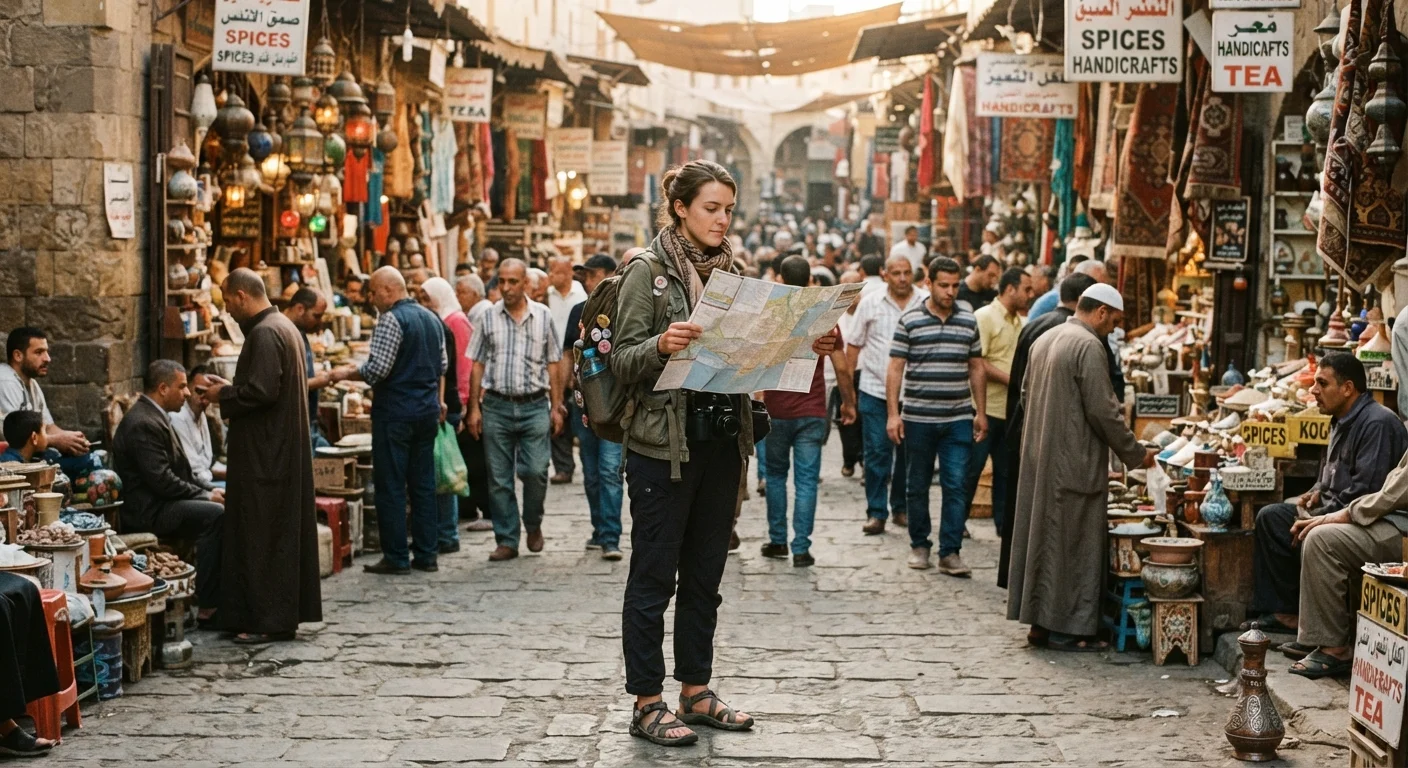
Visible markers of wealth - conspicuous camera equipment, luxury luggage, obviously consulting your phone for directions - signal opportunity to opportunistic thieves. This doesn't mean dressing uncomfortably; it means being thoughtful about what you display in public.
Stay situationally aware
Situational awareness means knowing what's around you without being paranoid. Walk with purpose. Glance up from your phone. Notice when something feels off in your immediate environment and trust that signal enough to reposition.
Share your itinerary
Someone at home should know your rough itinerary - where you're staying, your planned movements, and how to reach you if contact lapses. This is especially important for solo travelers and those heading into remote areas. Our pre-departure routine guide covers the full checklist of steps, including how to set up emergency contacts and document copies.
Use vetted transportation
Unlicensed taxis and informal ride arrangements are a consistent source of traveler incidents in many regions. Research which ride-hailing apps or regulated taxi systems operate locally before you arrive, so you're not making the decision under pressure at an airport.
Research Transportation Before You Land
Knowing which ride-hailing apps operate locally - and which taxi ranks are officially sanctioned at your arrival airport - is one of the highest-value pieces of research you can do in advance. Making this decision under pressure, after a long flight, in an unfamiliar terminal, is exactly when travelers accept arrangements they'd otherwise decline.
Digital and Financial Safety: The Overlooked Layer
Physical safety habits get most of the attention, but digital and financial exposure is where many modern travelers get caught out. Public Wi-Fi networks in airports, cafes, and hotels are common vectors for data interception. RFID-enabled cards can be skimmed in close-contact environments. And losing a phone in a foreign country can cascade into a serious logistical and financial problem if you haven't prepared.
Basic precautions include: using a VPN on public networks, keeping cards in RFID-blocking sleeves, enabling remote-wipe on your devices, and maintaining digital copies of critical documents in a secure cloud location. For a thorough breakdown of these steps, see our piece on protecting your devices and data while traveling.
Financially, notifying your bank before travel, carrying a backup card stored separately from your primary wallet, and knowing your card's international emergency replacement process are all habits worth building before departure rather than discovering their absence mid-trip.
Travel Insurance Policy Details Matter
Not all travel insurance policies cover the same risks. Adventure activities, pre-existing medical conditions, and political evacuation are commonly excluded from standard plans unless specifically added. Read the full policy document - particularly the exclusions section - before assuming a specific situation is covered.
Building a Personal Safety Baseline Before You Leave
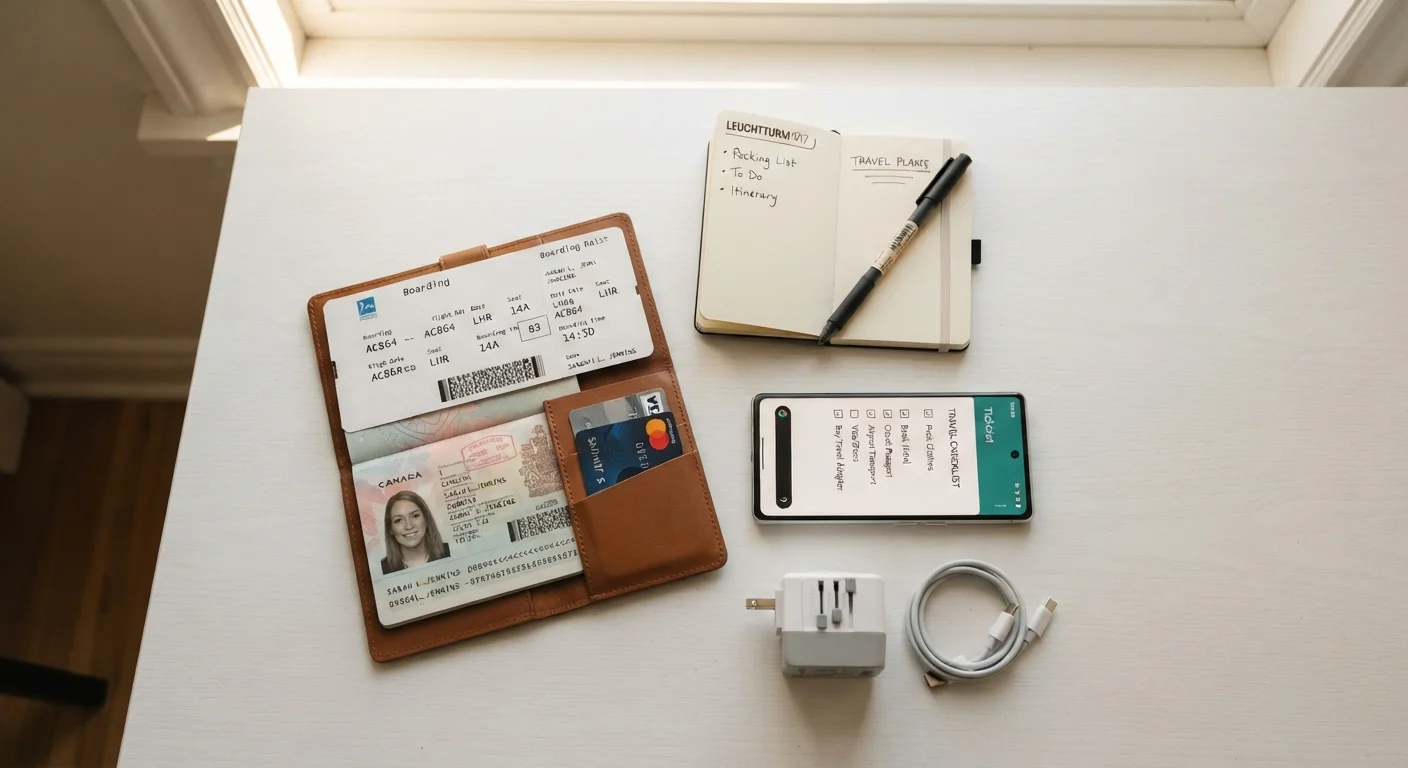
The most reliable safety investments happen before you board. A structured pre-departure routine transforms vague worry into concrete preparation.
- Research your destination's current conditions using official government advisories - and recheck them close to your departure date, as conditions shift.
- Verify entry requirements directly with the destination country's embassy or official tourism authority. Visa rules, vaccination requirements, and insurance mandates vary and change. Do not rely on third-party summaries for these details.
- Arrange appropriate travel insurance that covers medical evacuation, trip interruption, and the activities you plan to undertake. Read the policy rather than assuming coverage.
- Build your itinerary with safety logic - avoiding late-night arrivals in unfamiliar cities, leaving buffer time so you're not rushing through chaotic transit environments, and identifying the local emergency number for each country you visit. Our guide to building a well-structured itinerary explains how these considerations fit into planning from the start.
- Register with the Smart Traveler Enrollment Program (STEP) if you're a U.S. citizen traveling abroad. It allows the nearest U.S. embassy to contact you in an emergency.
Safety isn't a product you purchase or a destination you avoid - it's a practice you build over repeated decisions, before and during travel. The travelers who feel most confident abroad aren't necessarily the most experienced; they're the most prepared.
This article is for general informational purposes only. Travel conditions, entry requirements, and safety situations change frequently. Always verify current information with official government sources and qualified professionals before making travel decisions.