
Why Tokyo Works Well as a First International Trip
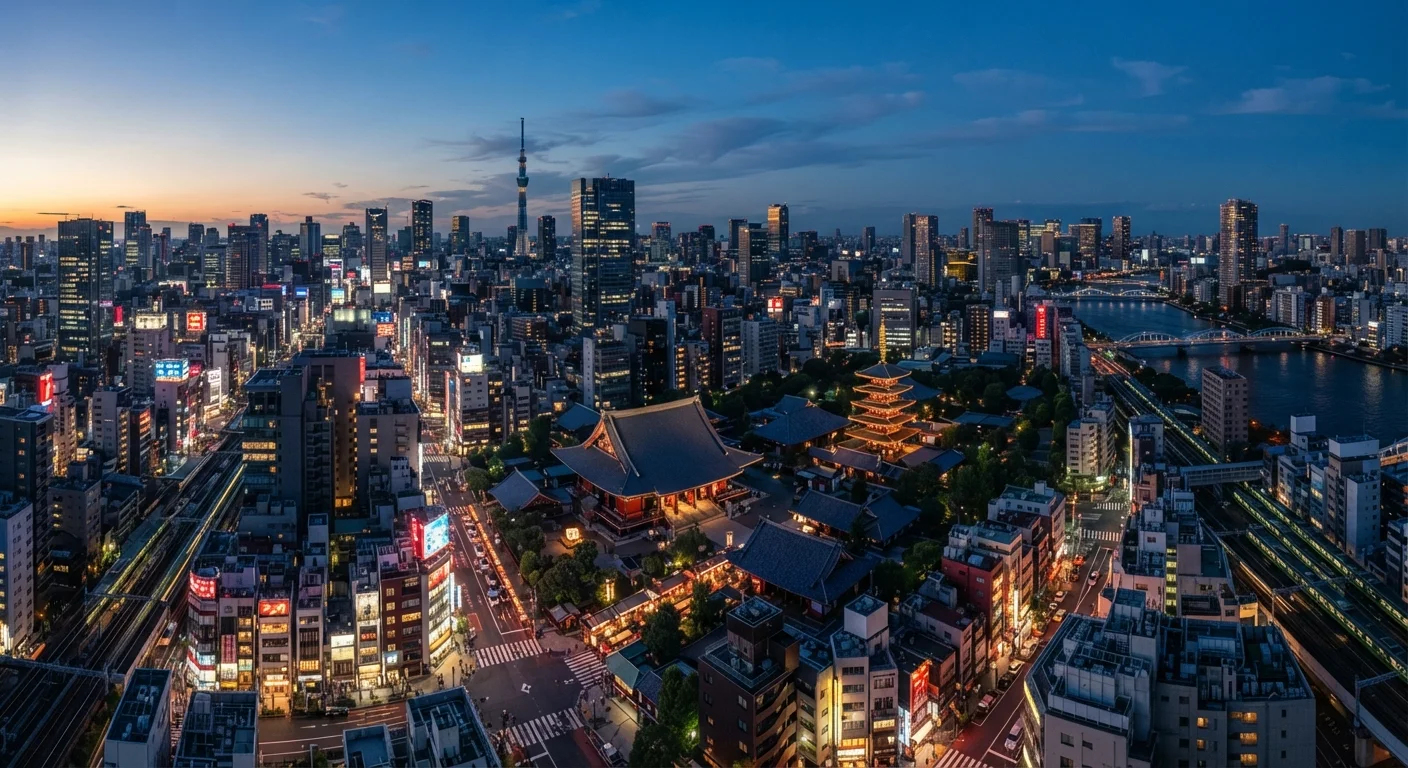
Tokyo routinely appears near the top of surveys measuring traveler satisfaction, and there are structural reasons for that consistency. The city's infrastructure is purpose-built for volume - tens of millions of visitors move through it annually - and the systems that support them are unusually reliable. Train schedules are kept to the minute. Convenience stores are open around the clock. Neighborhoods are walkable, well-lit, and easy to navigate even without prior knowledge of the city.
That said, first-timers often arrive carrying a set of assumptions that don't hold up. Some underestimate the city; others over-prepare for challenges that turn out to be minor. Understanding what's real versus what's myth makes the difference between a stressful arrival and a confident one. For anyone still weighing the decision, the domestic vs. international first trip debate is worth reading before committing.
Common Myths About Visiting Tokyo - Corrected
The misconceptions below come up repeatedly among first-time visitors preparing for Japan. Each has a grain of truth buried inside it, which is part of why they persist - but none of them should put you off the trip.
Myth
Tokyo's train system is impossibly confusing for foreign visitors.
Fact
The system is large, but it's designed with clear signage in English and multiple digital tools that make navigation straightforward for most visitors.
Tokyo's rail network is extensive - over a dozen interconnected lines operated by multiple companies. That complexity looks daunting on a map. In practice, however, every major station carries English signage alongside Japanese, color-coded line maps are posted throughout platforms, and apps like Google Maps provide accurate, real-time routing in English. Most first-time visitors report feeling comfortable navigating independently within one or two days of arrival.
Myth
You'll struggle constantly with the language barrier.
Fact
While Japanese is the dominant language, English is widely present in tourist areas, transit hubs, and many restaurants - and translation apps cover most remaining gaps.
Japan's tourism infrastructure has expanded English accessibility significantly over the past decade, a trend accelerated by international event preparation. Menus with photos or plastic food displays, QR code ordering systems, and staff trained to assist international visitors are common in central Tokyo. Offline translation apps handle handwritten menus or signage that hasn't been translated. True communication barriers tend to arise in very local, residential contexts - not in areas most first-time visitors frequent.
Myth
Tokyo is prohibitively expensive for the average American traveler.
Fact
While Tokyo has premium options, everyday costs - meals, transit, convenience foods - are often comparable to or lower than major US cities.
Luxury hotels and Michelin-starred dining exist in abundance, but so does an entire ecosystem of affordable eating. Ramen shops, conveyor-belt sushi, izakayas, and convenience store meals (which are genuinely good quality by global standards) keep daily food costs manageable. Transit is priced per journey and rarely expensive. Accommodation costs vary widely by neighborhood and booking lead time. Currency exchange rates fluctuate, which can significantly affect the real cost - checking rates close to your travel date matters more than any rule of thumb.
Myth
Japanese etiquette rules are so strict that mistakes will offend locals.
Fact
Cultural norms around etiquette are real, but most Japanese residents extend considerable patience and goodwill toward visitors who are clearly making an effort.
There are genuine customs worth knowing: avoid eating while walking, speak quietly on public transit, remove shoes when indicated, and handle cash with two hands when paying. These aren't arbitrary rules - they reflect values around communal space and respect. However, the anxiety that many visitors carry about inadvertently causing offense is disproportionate to reality. Polite effort is almost universally met with warmth. A short briefing on core customs before you go is sufficient preparation for the vast majority of social situations.
Myth
Tokyo is too dense and chaotic for a relaxed travel experience.
Fact
Despite its scale, Tokyo has extensive green space, quiet residential neighborhoods, and a pace that many visitors describe as surprisingly calm.
Areas like Yanaka, Shimokitazawa, and Koenji feel distinctly unhurried despite sitting inside one of the world's largest cities. Major parks - Yoyogi, Shinjuku Gyoen, Ueno - provide genuine breathing room. Even busy commercial districts tend to feel organized rather than chaotic. Crowds are real, particularly on weekends and at popular sites, but the city's spatial design and cultural norms around public behavior keep the experience from feeling overwhelming for most visitors.
What Actually Catches Visitors Off Guard
Even well-prepared travelers encounter a few genuine surprises. Cash is still widely used in Tokyo, including at many restaurants and smaller shops - cards are not universally accepted the way they are across most of Europe or in major US cities. Carrying yen is not just helpful; in some situations, it's necessary.
Jet lag also hits harder than many first-timers anticipate. Tokyo sits 13-14 hours ahead of US Eastern Time, meaning your body clock is almost fully inverted. Building a buffer day into your itinerary - rather than scheduling activities the morning after landing - is one of the most practical choices you can make. Solo travelers especially benefit from arriving with low expectations for Day One.
13.96M
International visitors to Tokyo annually
Tokyo Metropolitan Government tourism data has consistently placed the city among the world's most-visited, drawing visitors from across Asia, North America, and Europe.
~99%
On-time rate for Tokyo Metro trains
Tokyo's rail operators are globally recognized for punctuality, with delay reports measured in seconds rather than minutes on most lines.
One more consistent surprise: the sheer scale of the city. Tokyo's greater metropolitan area is among the largest in the world by population. Even experienced travelers report underestimating how much time moves between neighborhoods. Budget more transit time than you think you need, and treat each district as its own half-day destination rather than trying to stack them.
How to Research Tokyo Without Getting Overwhelmed
The volume of Tokyo travel content online is staggering, and not all of it is equally useful. Much of what dominates search results is either years old or written for a very specific type of traveler. Common trip-planning assumptions - like 'always book everything in advance' or 'avoid tourist areas entirely' - apply differently in Tokyo than they do elsewhere.
A useful frame: decide on two or three neighborhoods that genuinely interest you, learn those areas well, and let the rest reveal itself. Tokyo rewards curiosity over itinerary-packing. If you want a framework for reading any destination critically before arriving, reading a destination beyond its tourism image offers practical tools that translate directly to Tokyo research.
Verify Entry Requirements Before You Book
Visa requirements, entry conditions, and health documentation rules for Japan can change. Always check the official Japanese government immigration portal and your country's foreign affairs department for current requirements before purchasing flights or finalizing plans. Do not rely on travel blogs or forum posts for regulatory information - official sources only.