

How Data Brokers Build a Profile on You
Data brokers are companies whose core business is collecting, aggregating, and selling personal information - typically without any direct relationship with the people whose data they hold. They draw from a wide range of sources: voter registration files, property records, court documents, social media profiles, loyalty program databases, and commercial purchase histories. Each source adds another layer of detail to a profile that can include your name, address history, phone numbers, estimated income range, household composition, and consumer interests.
Importantly, most of this activity is legal. A large portion of the data brokers use comes from government-held public records, which are accessible by design. The concern is not any single piece of information but the act of combining many pieces - a process sometimes called data aggregation - which can produce a surprisingly detailed picture of a person's life.
These profiles are sold to marketers, landlords, employers, insurers, and individuals running background checks. They can also end up in the wrong hands. Understanding where the data originates is the first step to limiting how much of it is out there. For a broader look at how everyday digital habits contribute to your data footprint, see our guide on online privacy habits worth building.
Use a Dedicated Email for Opt-Out Requests
Create a separate email address solely for submitting data removal requests. This keeps your primary inbox clean and makes it easier to track which brokers you've contacted and when. It also limits any follow-up marketing those brokers might send.
What You Can Realistically Do About It
No single action eliminates your presence from data broker databases entirely - but meaningful reduction is achievable for anyone willing to invest consistent effort. The steps below focus on the highest-impact actions that don't require technical expertise.
What you will need
Your government-issued ID or address history
Many broker opt-out forms require you to verify your identity by confirming personal details.
Dedicated email address
Used to submit and track opt-out requests without cluttering your primary inbox.
Spreadsheet or notes app
Track which brokers you've contacted, the date submitted, and when to follow up.
Automated removal service (optional)
Submits opt-out requests on your behalf across many brokers simultaneously.
Search for your own name to identify which brokers have your data
Open a private or incognito browser window and search your full name alongside your city or state. Note which people-finder or data broker sites surface results that match your details. Common examples include Spokeo, Whitepages, BeenVerified, Intelius, and MyLife. Keep a running list - you'll need it for the opt-out steps that follow.
Locate each broker's official opt-out page
For every site on your list, navigate directly to its official domain and search for terms like "opt out," "do not sell my information," or "remove my data" - usually found in the footer. Bookmark each legitimate opt-out page. Avoid following links in emails or ads claiming to remove your data.
Submit opt-out requests one broker at a time
Follow each broker's specific removal process. Some require only an email address; others ask you to confirm your identity by locating your record in their database and clicking a verification link. Complete each form fully, then log the submission date in your tracking spreadsheet.
Tighten your public social media settings
Data brokers routinely scrape publicly visible social media profiles. Review the privacy settings on every platform you use and restrict profile visibility to friends or connections only. Remove or limit publicly displayed details such as your phone number, employer, hometown, and birth year. The privacy settings most people overlook article walks through platform-specific controls worth revisiting.
Reduce the data you share through apps and services
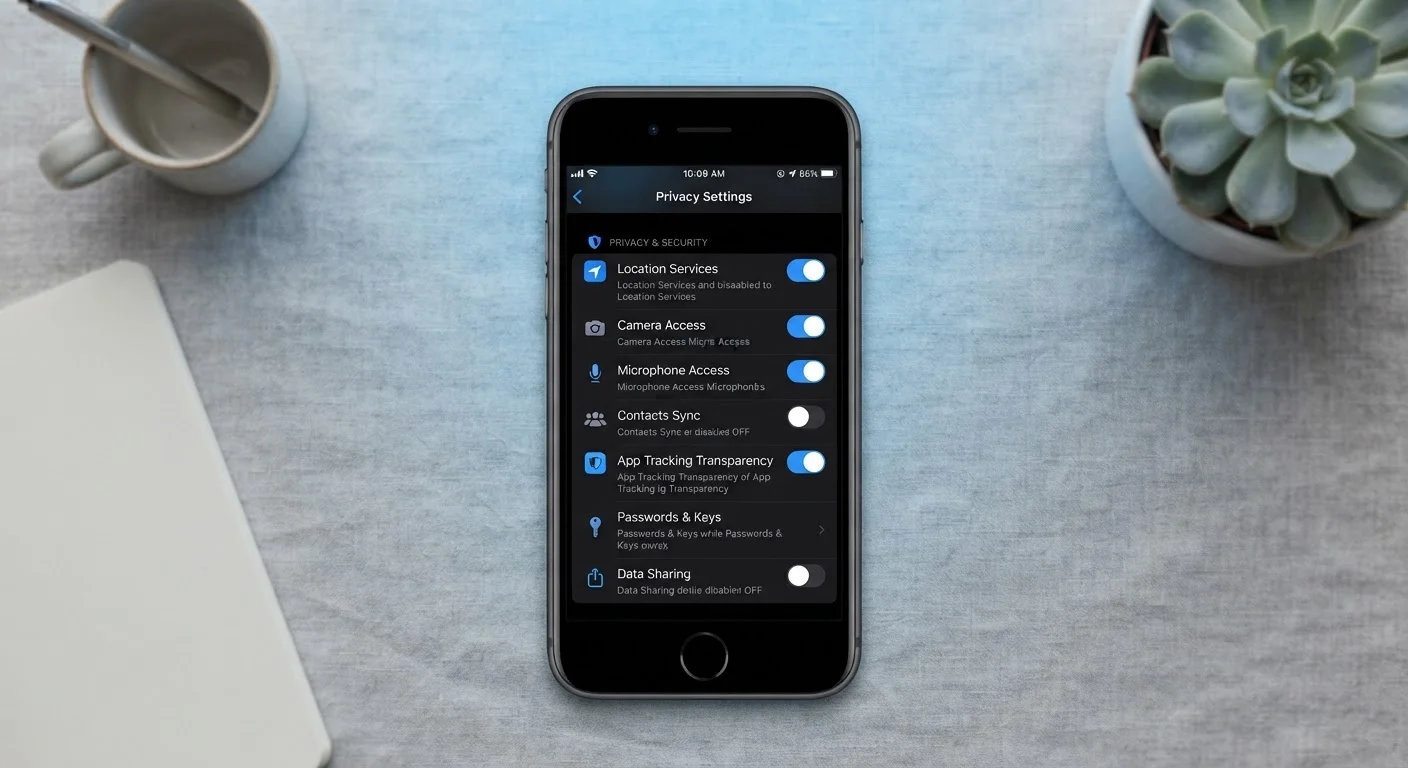
Free apps frequently share data with third-party advertising networks, which can feed broker databases. Audit the apps on your devices and revoke unnecessary permissions - especially access to location, contacts, and microphone. Understanding the data trade-offs inside free apps can help you make more informed decisions about what you install.
Schedule a repeat opt-out cycle every six to twelve months
Set a recurring calendar reminder to repeat your opt-out searches and submissions. Brokers re-aggregate data continuously, so removal is not permanent. Pairing this habit with broader privacy practices - such as those covered in our guide to online privacy habits worth building - creates more durable protection over time.
Opt-Outs Are Not Permanent
Even after successfully opting out of a data broker's database, your information can be re-added when brokers refresh their sources. Periodic re-submission of opt-out requests - roughly every six to twelve months - is necessary to maintain reduced exposure. Treat data removal as an ongoing habit, not a one-time fix.
Watch Out for Impersonator Sites
Some websites mimic legitimate opt-out portals to harvest the very information you're trying to protect. Always navigate directly to a broker's official domain rather than clicking links from search results or emails. When in doubt, type the URL manually.
Your broader digital habits also shape how much data brokers can collect in the first place. Public Wi-Fi connections, for example, can expose device identifiers and browsing patterns; our article on how exposed your Wi-Fi network can be explains the risks in plain terms.