
Why the Monthly Price Isn't the Whole Story
Subscription pricing is deliberately designed to feel approachable. A $9.99 monthly fee reads as far less than a $79.99 one-off purchase - until you run the numbers across a full year. At that rate, you would spend roughly $120 annually, and over two years, $240. The one-off option, meanwhile, stays at $79.99.
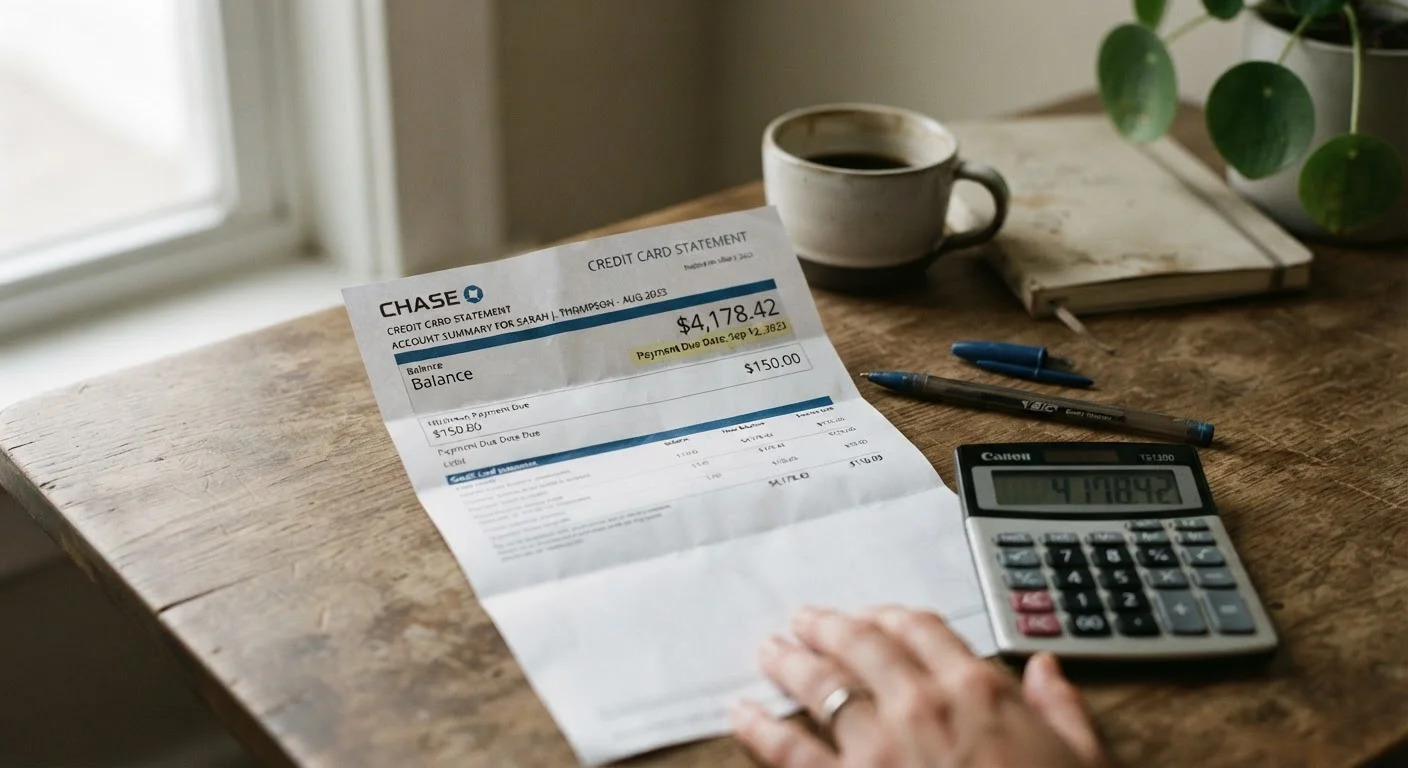
This is the fundamental tension the subscription model creates. The lower entry point lowers the psychological barrier to signing up, but the long-term maths often flips the equation. It is worth thinking of a subscription less like a price and more like a recurring obligation - one that compounds quietly in the background, much like the hidden cost of paying only the minimum on a credit balance.
That said, subscription pricing is not inherently the worse deal. The comparison depends heavily on how frequently you use the app, how much the software evolves, and whether the ongoing cost reflects genuine, continuing value.
| Criterion | Subscription Apps | One-Off Purchase Apps |
|---|---|---|
| Entry cost | Low (monthly or annual fee) | Higher upfront, one payment |
| Long-term cost (2+ years) | Typically higher overall | Fixed; no additional charges |
| Feature updates | Continuous, included | Limited or requires new purchase |
| Cloud & multi-device sync | Usually included | Rarely included |
| Cancellation flexibility | High - stop anytime | None needed; you own it |
| Risk if you stop using it | Easy to cancel; no sunk cost | Upfront cost already spent |
| Security updates | Ongoing with subscription | Varies by developer policy |
What You Actually Get (and Give Up) With Each Model
Subscription apps typically bundle several benefits into the monthly fee: automatic updates, cloud storage, multi-device sync, and sometimes customer support. When an app actively develops - patching security vulnerabilities, adding integrations, or redesigning its interface - subscribers receive those improvements without paying again. This matters most for tools tied to security or productivity, where falling behind on updates carries real risk.
One-off purchases, by contrast, give you a fixed version of the software at a point in time. Some developers continue issuing free updates for years; others release a new paid version within 12 to 18 months and treat the old one as effectively discontinued. Before buying, it is worth checking the developer's update history.
There is also a privacy dimension worth noting. Subscription services often require an account and may collect usage data to support their cloud infrastructure. Free apps carry their own data trade-offs, but paid subscription apps are not automatically exempt from data collection practices. Reading the privacy policy before committing remains worthwhile.
$237
Average annual spend on app subscriptions per US adult
Consumer spending surveys consistently find that most people underestimate their total subscription outlay by a significant margin.
12-18 months
Typical break-even point vs. one-off purchase
General cost comparisons suggest the crossover between subscription and one-off value often occurs within one to two years of regular use.
How to Decide Which Model Fits Your Situation
The most practical question is not which model is objectively better - it is which one matches your actual usage pattern. Ask yourself how often you open the app in a typical week, whether you depend on its newest features, and how likely you are to still need it in two years.
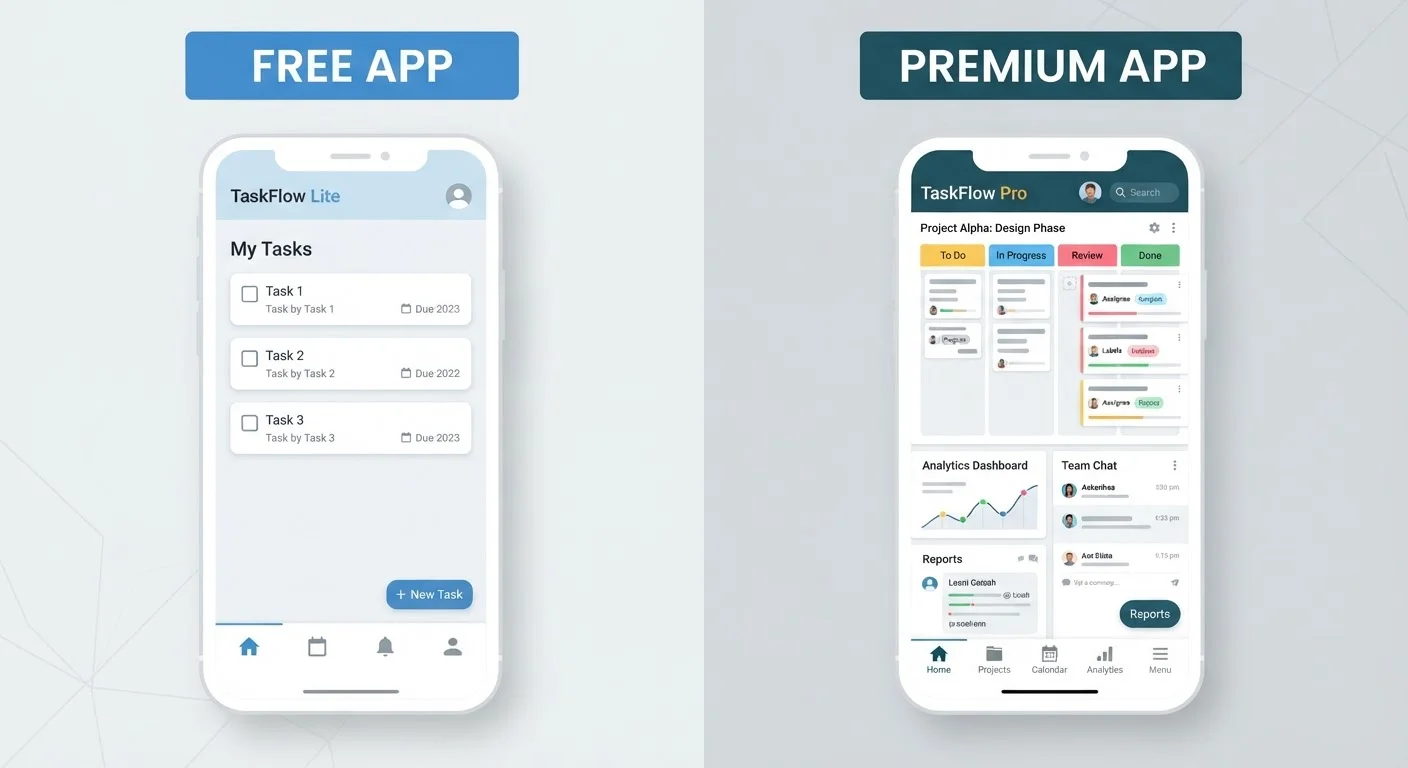
For apps you use every day - a writing tool, a budgeting tracker, or a design suite - a subscription may be well-justified. For apps you open occasionally, a one-off purchase almost always wins on total cost. Understanding what each paid tier genuinely offers can also help you avoid paying for features you will never use.
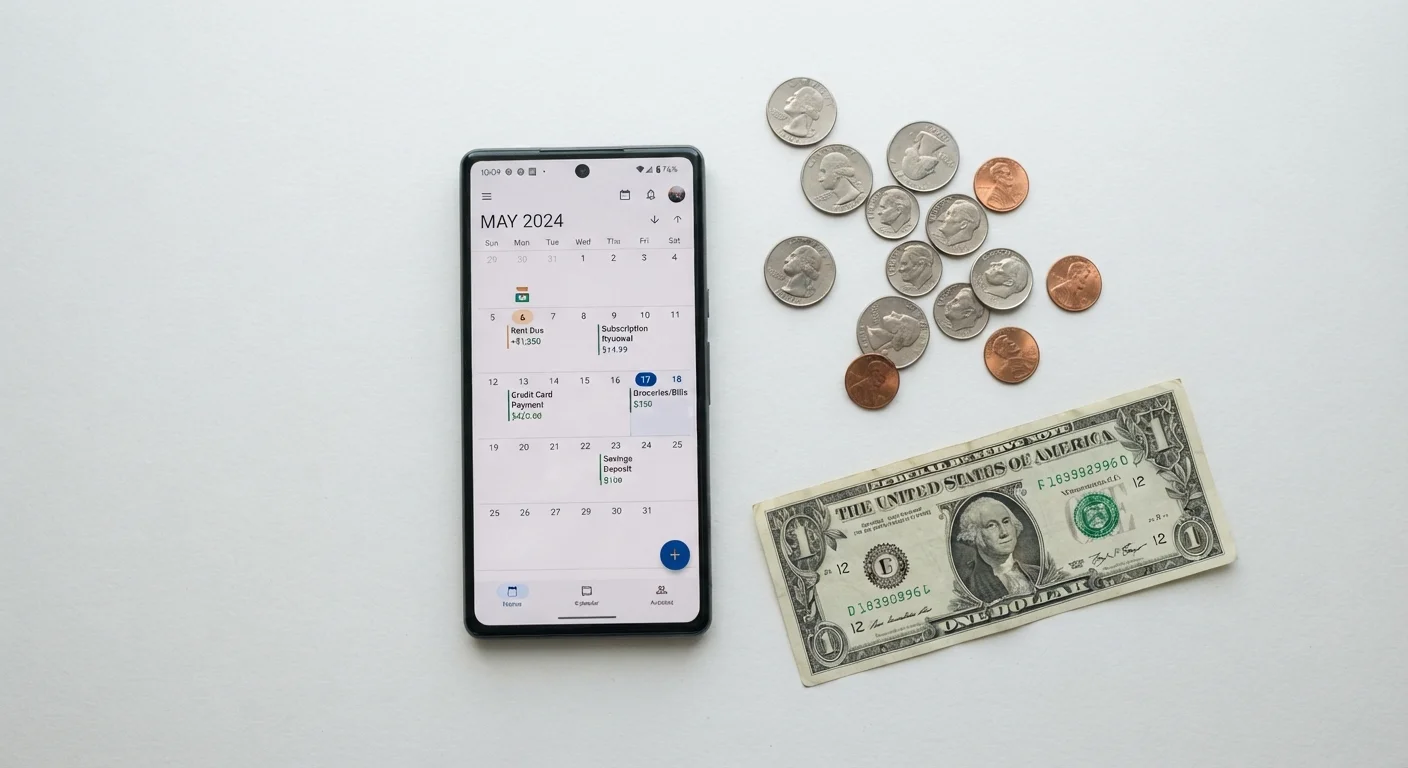
It is also worth auditing what you already subscribe to. Most people underestimate how many subscriptions they are running simultaneously. Tools that help you track spending - or even a simple spreadsheet - can surface forgotten charges. For a broader look at that approach, spreadsheet budgeting versus app-based budgeting each have distinct trade-offs worth knowing before you commit to yet another monthly charge.
Annual Billing Often Lowers Subscription Costs
Many subscription apps offer a discounted rate when you pay annually rather than month to month - sometimes 20 to 40 percent less. If you are confident you will use an app for a full year, the annual plan can meaningfully change the long-term cost comparison. However, annual billing also means a larger upfront commitment, so it is worth confirming the app suits your needs before locking in.