
What Each Approach Actually Means
Zone-based organization starts with your physical space. You divide your home into functional areas - a cooking zone, a homework zone, a morning-routine zone near the door - and store items within each zone based on where they are actually used. A pair of scissors lives in the craft corner; another pair lives in the kitchen. The organizing logic follows geography.
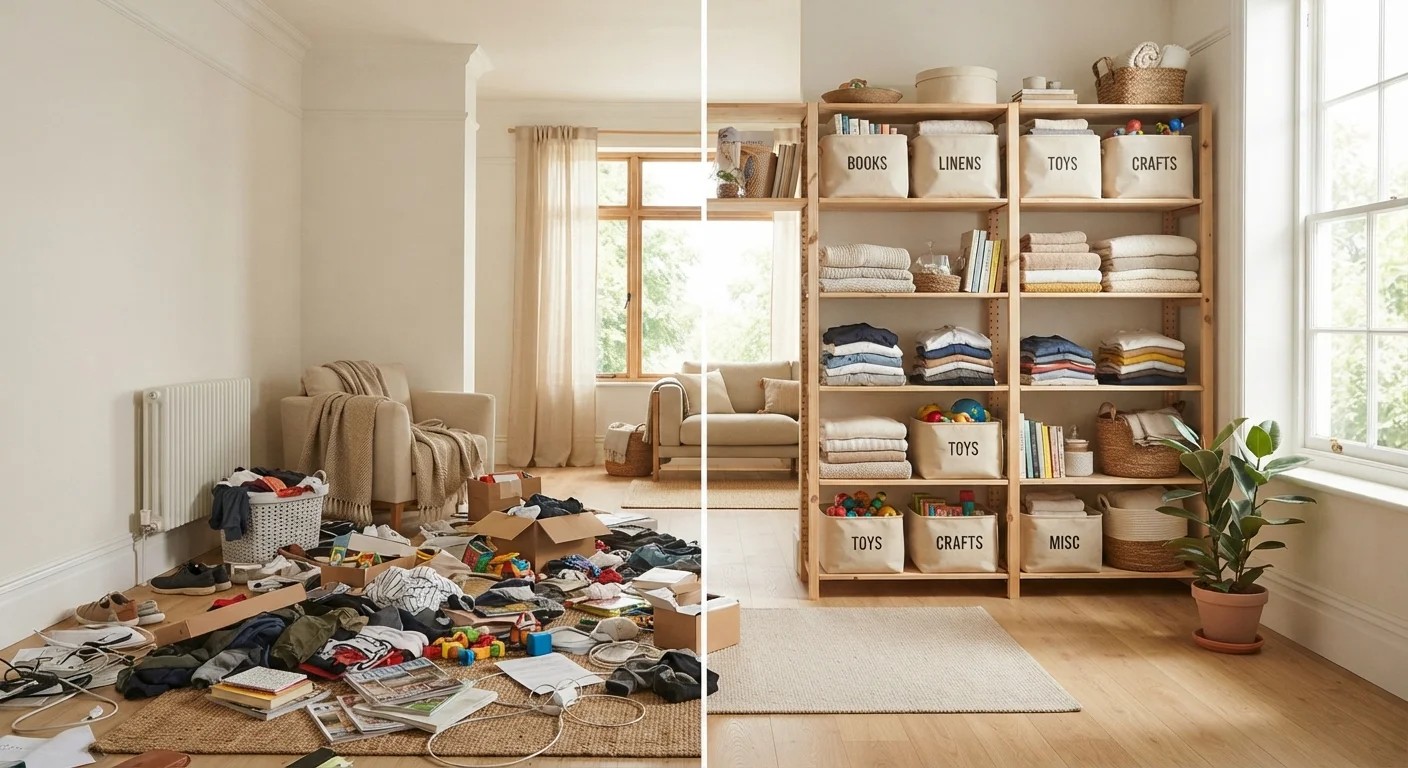
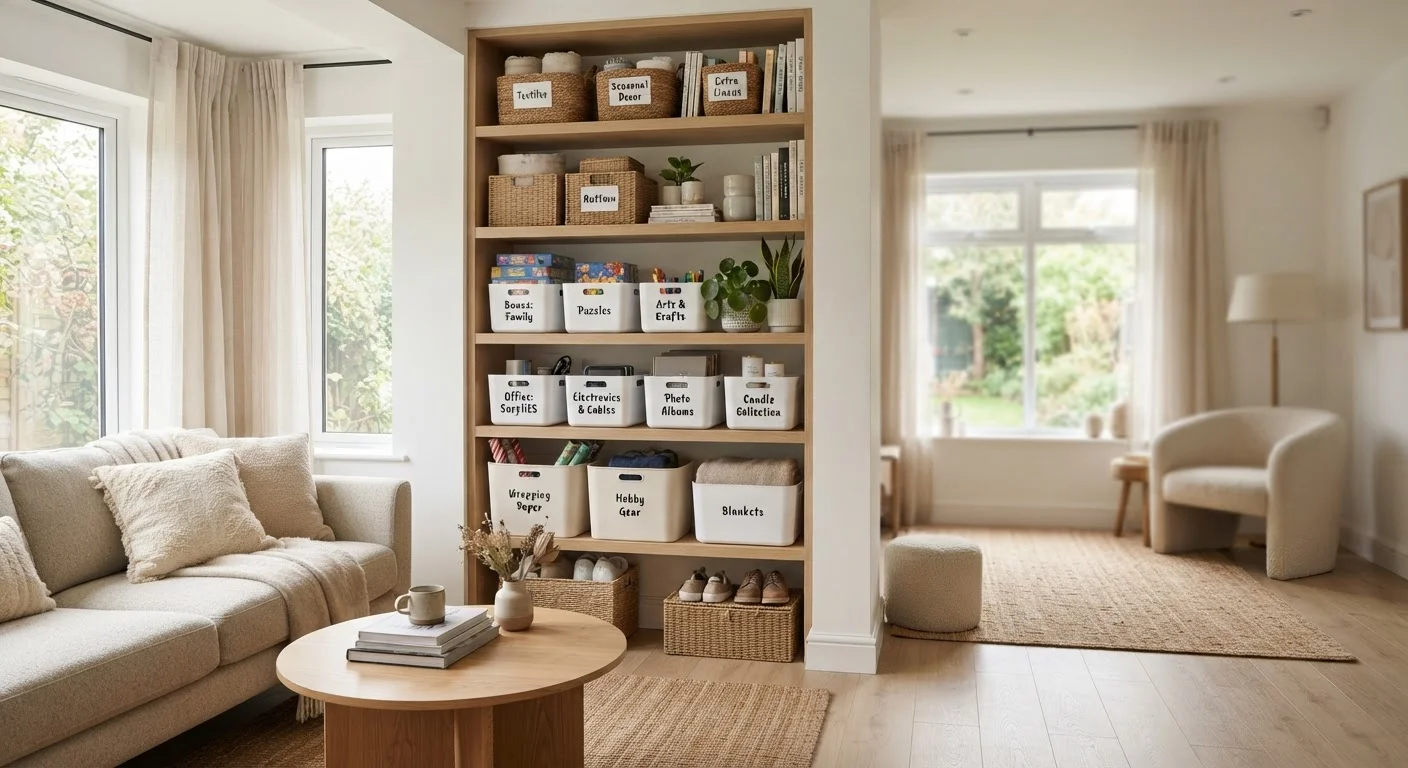
Item-based organization starts with your stuff. You gather every instance of a single category - all your books, all your stationery, all your linens - assess them together, then decide where that consolidated group should live. The organizing logic follows the thing itself, not the room it happens to be in.
Both are legitimate frameworks. Understanding which one matches your household's habits and layout is more useful than committing to either out of habit. See why decluttering first matters before deciding which system to build on top of.
How They Compare Across Key Dimensions
The table below contrasts the two approaches across practical considerations that matter most in everyday use.
| Criterion | Zone-Based Organization | Item-Based Organization |
|---|---|---|
| Starting point | Physical space and room layout | Categories of items you own |
| Duplication tolerance | Accepts multiples across zones | Consolidates to eliminate duplication |
| Best for shared homes | Yes - intuitive for multiple users | Harder without shared category logic |
| Initial effort required | Lower - zone by zone | Higher - whole-home category audit |
| Finding specific items | Search by location of use | One authoritative home per category |
| Works in small spaces | Very well - zones can be small | Yes, but storage space is the constraint |
| Maintenance difficulty | Requires consistent return habits | Easier once categories are set |
One distinction worth noting: zone-based organization tolerates duplication. You might keep tape in three different rooms intentionally. Item-based organization pushes back against duplication - the goal is one home for every category, which forces a more thorough audit of what you actually own.
Where Zone-Based Organization Works Best
Zone-based systems shine in shared homes. When a partner, child, or roommate uses a space differently than you do, trying to enforce a whole-home category logic can create friction. Zones are intuitive: things live where they are used, which is close enough to how most people already think. Organizing a home with others becomes more manageable when each person can maintain their own zone without needing to understand the broader system.
Zones also work well in smaller homes where rooms serve multiple functions. A studio apartment might have a sleep zone, a work zone, and a kitchen zone - each with its own storage logic - even though they exist in essentially one open room.
Zone Drift Is Common - Plan for It
In zone-based systems, the most common failure point is items migrating out of their zone and not returning. This isn't a flaw in the system - it's a maintenance challenge. Building a brief daily reset habit (five minutes before bed or after dinner) significantly reduces zone drift and keeps the system functional over time.
The limitation is drift. When items leave their zone and don't return, the system breaks down. Zone-based organization requires consistent return habits, which means it works best alongside simple daily routines that reset the space regularly.
Where Item-Based Organization Works Best
If you frequently can't find a specific type of item - reading glasses, batteries, wrapping supplies - item-based organization is worth trying. By pulling every instance of a category into view at once, you discover redundancies, locate forgotten items, and make a deliberate decision about where that category permanently lives.
This approach underlies several well-known organizational frameworks. Methods like KonMari are explicitly item-based: you work by category across the entire home rather than room by room. The category-first sequence is intentional - it prevents you from reorganizing the same item multiple times in different rooms.
Item-based organization is also a strong starting point if your whole home feels chaotic. Starting from scratch by tackling one category at a time creates visible progress without requiring you to have a complete spatial plan upfront.
Its main drawback is time investment. Gathering an entire category from across a home before organizing it requires a larger initial effort - and more disruption - than setting up a single zone.
Using Both Methods Together
Most functional homes use a hybrid. Item-based thinking handles the initial audit - pulling together all like items, removing duplicates, deciding what to keep. Zone-based thinking handles the placement - assigning each category a home based on where it will actually be used.
A room-by-room organization audit can help you identify which areas in your home are already working spatially and which ones have category-level clutter that needs sorting first. From there, you can apply whichever lens is more useful room by room.
2-3 min
Average time to find a misplaced item
Studies on workplace productivity suggest people spend meaningful time each day searching for misplaced items - a pattern that translates directly to home environments as well.
~40%
Homes using informal zone logic already
Organizational researchers note that most people intuitively cluster items near where they use them, even without a formal system - suggesting zone-based thinking is a natural fit for many.
The point isn't to pick a philosophy and apply it uniformly. It's to understand what each method is good at, and reach for the right tool depending on what a particular area or category actually needs.