

Why Disorganized Homes Feel So Hard to Fix
A disorganized home rarely got that way overnight, and it will not become organized overnight either. The real challenge is not a shortage of storage or willpower - it is the sheer scale of the problem when you look at it all at once. Every room seems to need attention simultaneously, and that perception alone is enough to stop most people before they begin.
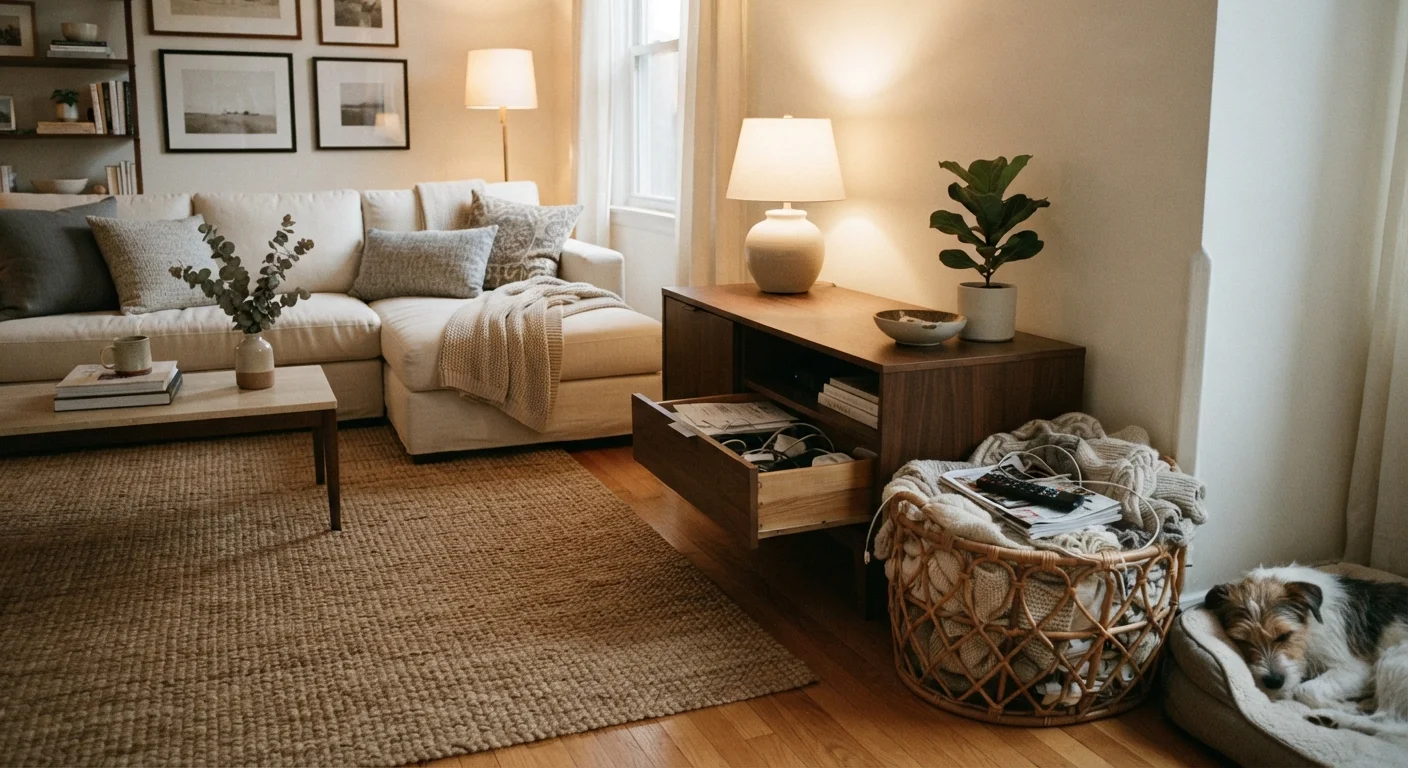
There is also a subtle trap worth naming: a home can look tidy and still be functionally chaotic. If you have ever had difficulty finding scissors, a charger, or a important document in what appeared to be a neat space, you already know this. Surface tidiness and functional organization are not the same thing, and confusing the two can send organizing efforts in the wrong direction.
The good news is that the path forward does not require a perfect system or a cleared weekend. It requires a starting point, a method, and a willingness to work in smaller pieces than you think you need to.
Zone
A defined area within your home treated as a single unit for organizing purposes - such as a kitchen counter, a closet shelf, or an entryway table.
Friction
Any unnecessary difficulty that slows down a routine task, like searching for misplaced items or navigating a cluttered drawer to find what you need.
One-in, one-out
A maintenance practice where each new item brought into the home is matched by removing one item of similar type, preventing gradual accumulation.
Intentional storage
Storing items based on how and where you actually use them, rather than where they happen to fit or where they have always been kept.
Reset routine
A brief, scheduled habit - daily or weekly - of returning items to their designated places before disorder has a chance to build up again.
Before You Touch Anything: Set a Clear Intention
Before moving a single item, answer one question for each space you plan to organize: What do I need this space to do? A kitchen counter might need to support morning routines. An entryway might need to make arriving and leaving the house frictionless. A home office might need to protect focus.
This step sounds minor but it drives every decision that follows. When you know the purpose of a space, it becomes much easier to decide what belongs there and what does not. Without a clear intention, organizing tends to become rearranging - items move but friction remains.
Write It Down Before You Start
Jot a single sentence describing the purpose of each space you plan to organize - even something as simple as 'this counter is only for things used every morning.' Having it in writing makes in-the-moment decisions faster and prevents second-guessing mid-session.
If you share your home with others, this is also the moment to align on expectations. Different people have genuinely different tidiness thresholds, and systems that ignore that reality tend to collapse quickly. Our guide on organizing with housemates and family members addresses this directly.
Where to Begin: Choosing Your First Zone
The most effective first zone is not necessarily the messiest room - it is the one that will give you the most noticeable return on effort. High-traffic areas that you interact with many times a day, such as an entryway, a kitchen counter, or a bathroom vanity, are strong starting points because improvement there is felt immediately and repeatedly.
Avoid beginning with sentimental or emotionally loaded areas - childhood boxes, old photographs, items connected to difficult decisions. These require the most mental energy and tend to stall progress right at the start. Save them for when you have built some confidence and momentum.
Once you have chosen your zone, work on it exclusively until it is done. Resist the pull to drift into adjacent spaces mid-session. A fully completed small zone creates far more motivation than five half-finished ones. For a structured approach to evaluating every room, the room-by-room organization audit is a useful next step once you have your initial momentum.
The Sort-Then-Store Rule
The most common organizing mistake is buying storage before sorting. Bins, baskets, and drawer dividers feel productive to acquire, but if you store disorganized belongings in organized-looking containers, you have not solved the problem - you have hidden it.
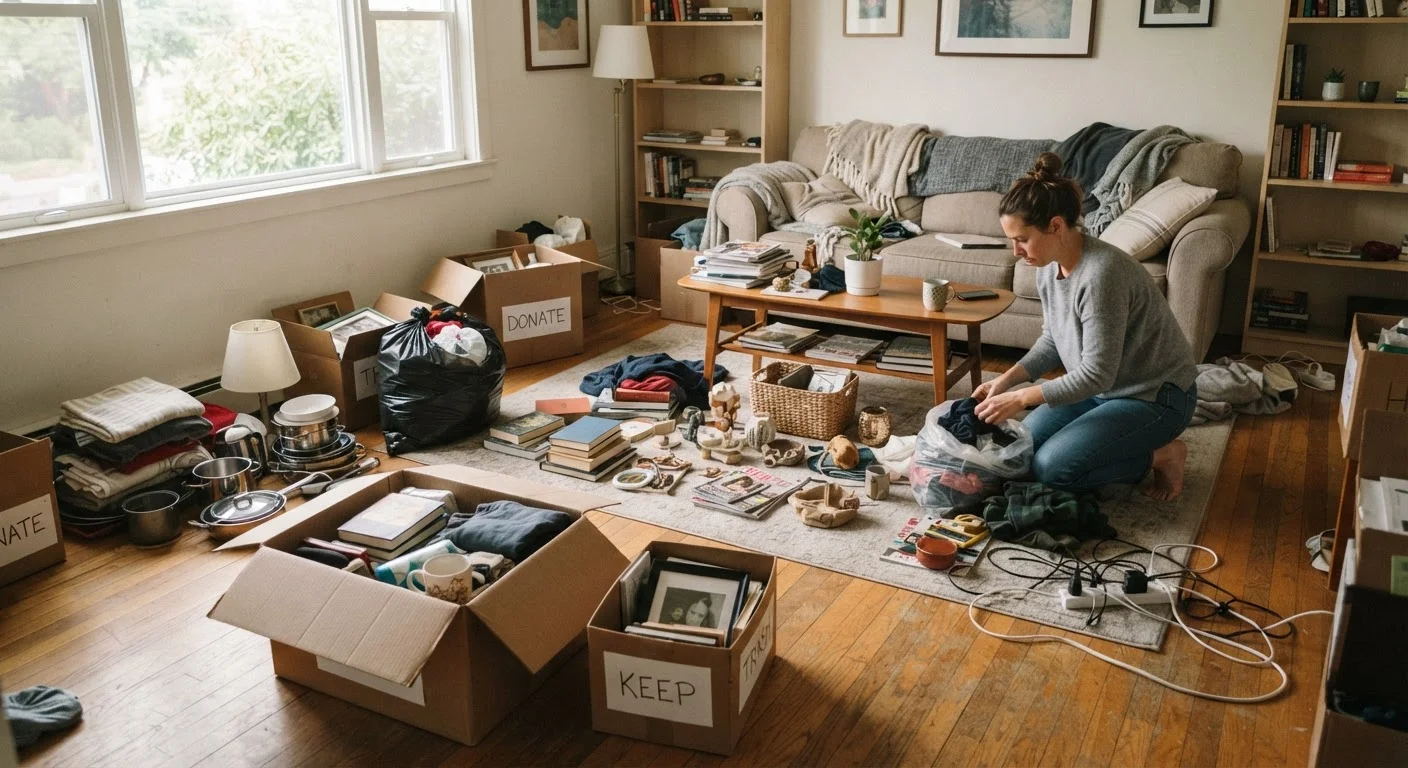
The correct sequence is: sort first, then store. Pull everything out of the area you are working on. Group like items together. Decide what stays, what gets donated or discarded, and what belongs somewhere else entirely. Only after you know exactly what you are keeping should you think about how to contain it.
This approach also tends to reveal that you need far less storage than expected. Most homes do not have a storage problem so much as a volume problem - too many items competing for too little space. Decluttering without the overwhelm covers how to make those keep-or-go decisions without burning out.
Don't Buy Storage Too Early
Purchasing bins, baskets, and organizers before you have finished sorting is one of the most common - and costly - organizing mistakes. Wait until you know exactly what you are keeping and roughly how much space it requires. That way, every container you buy has a clear, confirmed purpose.
When deciding between organizing by zone versus organizing by category of item, both approaches have merit depending on your home's layout and how your mind works. Zone-based versus item-based organization breaks down the practical differences so you can choose the approach that suits you.
Building Habits That Keep the System Running
Organization is not a one-time event. Once a space is sorted and set up, it needs a small amount of consistent maintenance to stay functional. The good news is that well-designed systems are much easier to maintain than chaotic ones - the habit load drops significantly once the hard initial work is done.
Two habits tend to carry the most weight. The first is the one-in, one-out principle: when something new enters the home, something of similar type leaves. This prevents slow accumulation from undoing what you have built. The second is a brief, regular reset - ten to fifteen minutes at the end of the day or week to return items to their designated places before drift becomes disorder again.
Pair your organizing work with complementary routines. A room-by-room cleaning habit guide can help you sequence tidying and cleaning in ways that reinforce each other. And if the organizational project feels connected to broader life structure - managing paperwork, household budgets, or digital clutter - the principles here map well onto other areas, including paring back what does not serve you in everyday life.
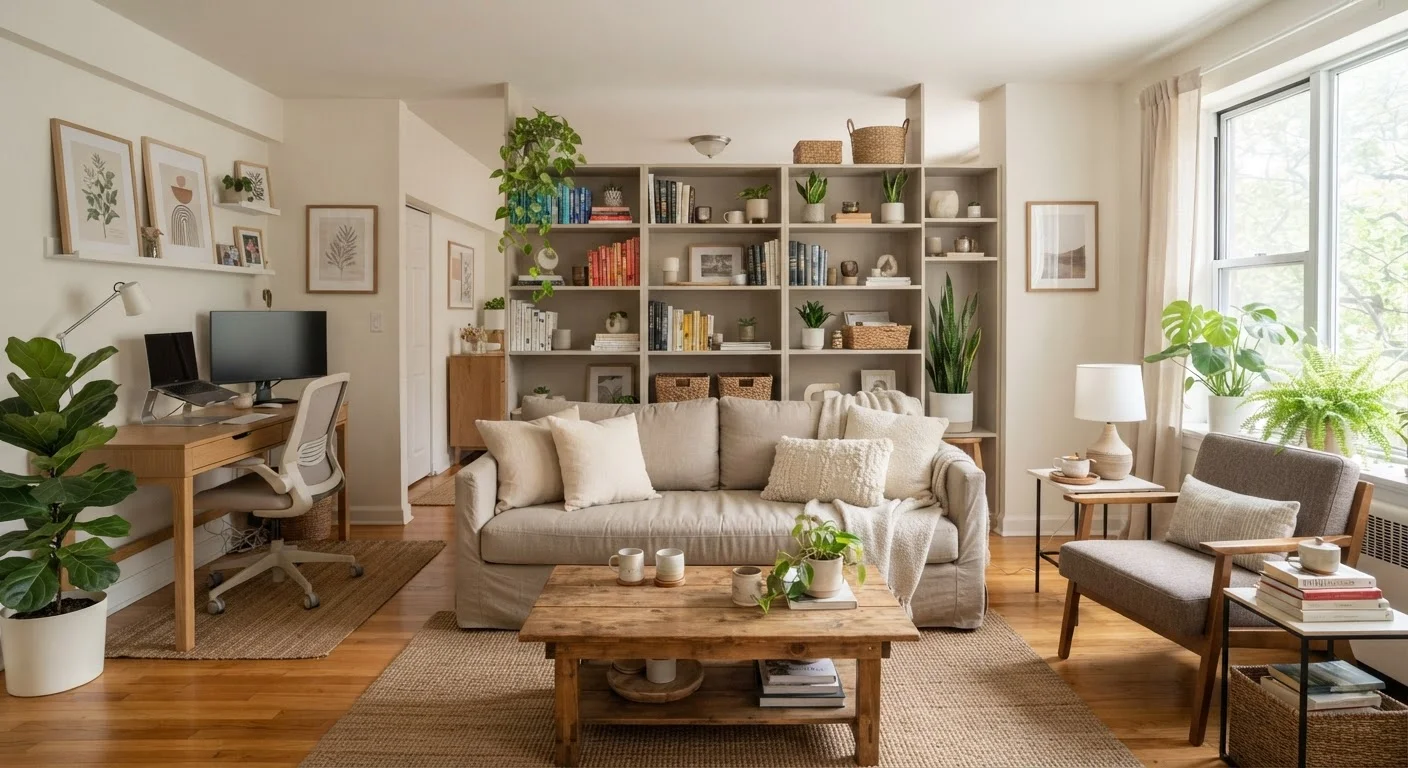
Progress over perfection is the only realistic standard. A home that functions well for the people living in it - even imperfectly - is the actual goal.