
Why Storage Myths Are So Convincing
Home organization advice is everywhere, but much of it reinforces ideas that feel logical without actually working. The promise that the right bin, the right room size, or the right system will finally fix a cluttered home is appealing - and persistently wrong for many households.
The problem isn't a lack of storage solutions. It's that most people approach organization backwards: buying containers before assessing what they actually own, or chasing more space instead of using existing space more intentionally. Understanding which beliefs are myths - and why they persist - is the first step toward a home that genuinely feels organized.
For a broader look at how to think about home organization as a whole, the strategies that hold up over time tend to start with honest assessment rather than shopping.
Myth
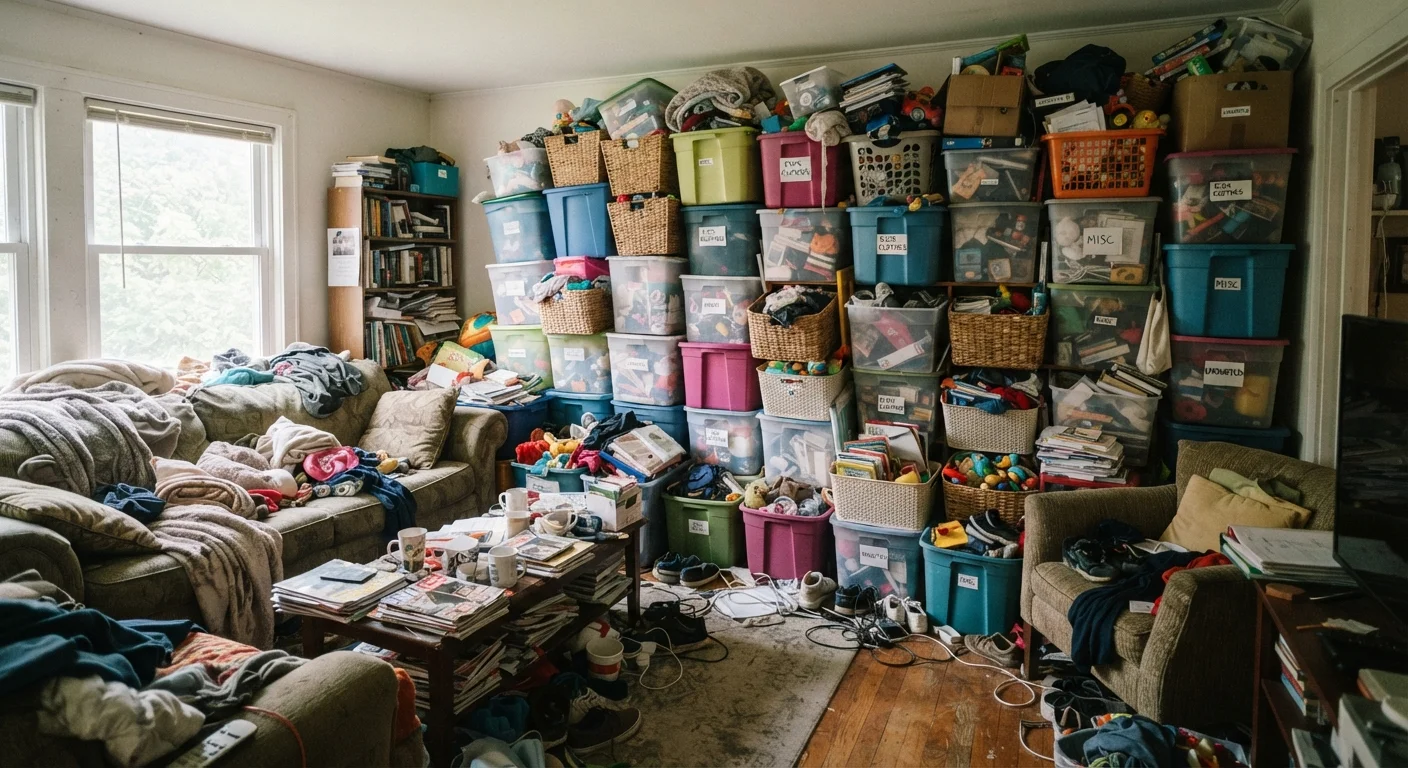
If I just had more storage bins and baskets, my home would finally be organized.
Fact
Containers organize items you decide to keep - they don't reduce the volume of stuff causing the clutter in the first place.
Buying containers before decluttering is one of the most common organizational mistakes. You end up with neatly labeled bins full of things you don't use, need, or want. The clutter hasn't been addressed - it's just been boxed up. Decluttering must come first; containers are the last step, sized to what remains.
Myth
A bigger home would solve my storage problems.
Fact
Research on household behavior consistently shows that belongings tend to expand to fill available space - a pattern sometimes called the Diderot effect.
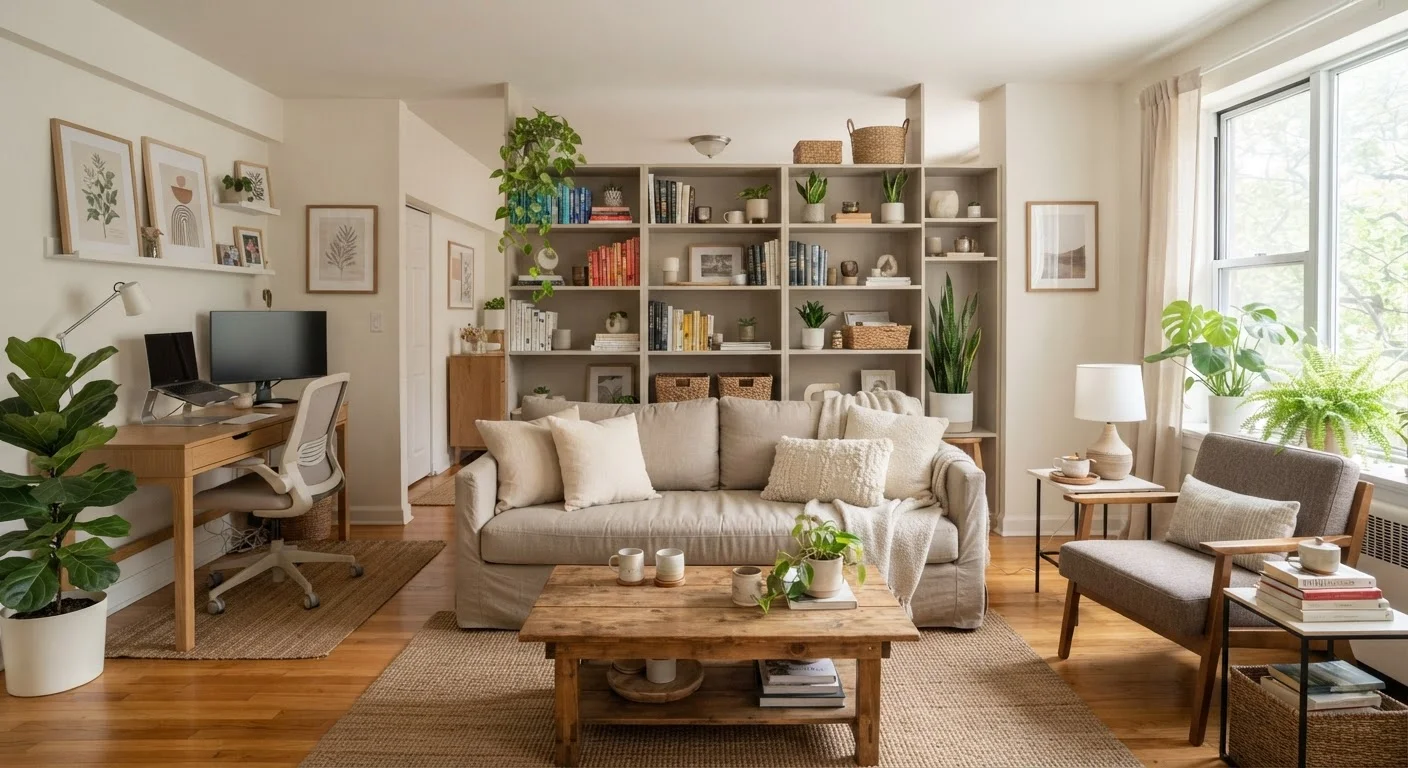
People who move to larger homes often find themselves filling the new space within a year or two, returning to the same feeling of not having enough room. The issue is acquisition and retention habits, not square footage. Smaller homes managed with intention can feel more spacious than larger homes without organizational discipline.
Myth
Organization is a one-time project - once it's done, it stays done.
Fact
Organization is an ongoing practice. Without regular maintenance habits, even well-designed systems revert to clutter within weeks.
A single weekend overhaul creates a temporary improvement, but daily life reintroduces items, shifts routines, and erodes systems. The homes that stay organized aren't the ones with the best initial setups - they're the ones where residents have small, consistent habits for returning things to their places and regularly reassessing what they own.
Myth
You need to be a minimalist to have an organized home.
Fact
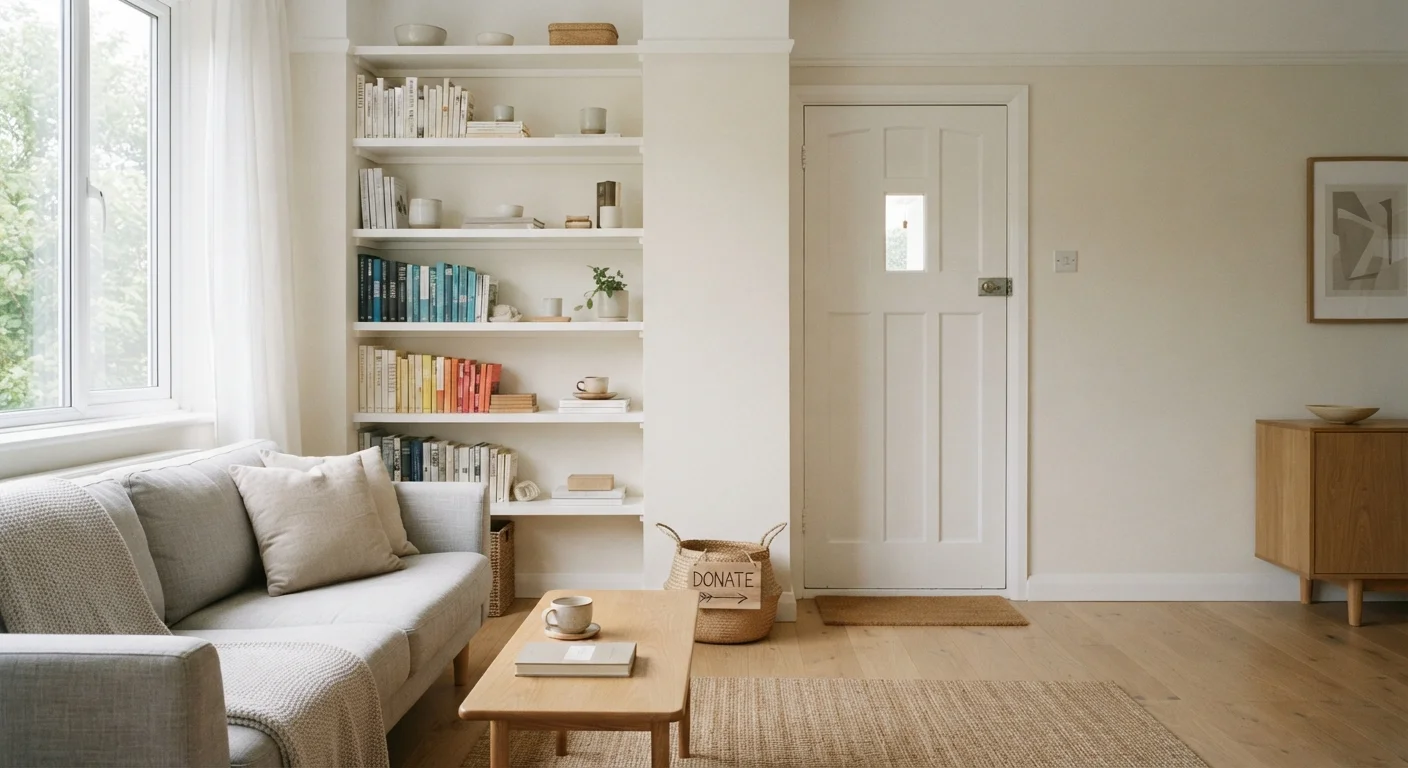
Organization is about proportion and placement, not a specific ownership philosophy. Homes with many possessions can be highly functional when systems match the actual volume of items.
The association between minimalism and organization makes intuitive sense but sets an unrealistic bar for many households. Families with children, hobbyists with equipment, or people with professional tools at home don't need to own very little - they need storage that's appropriately sized and genuinely usable. Separating minimalism myths from practical organization facts can make the whole project feel more approachable.
Myth
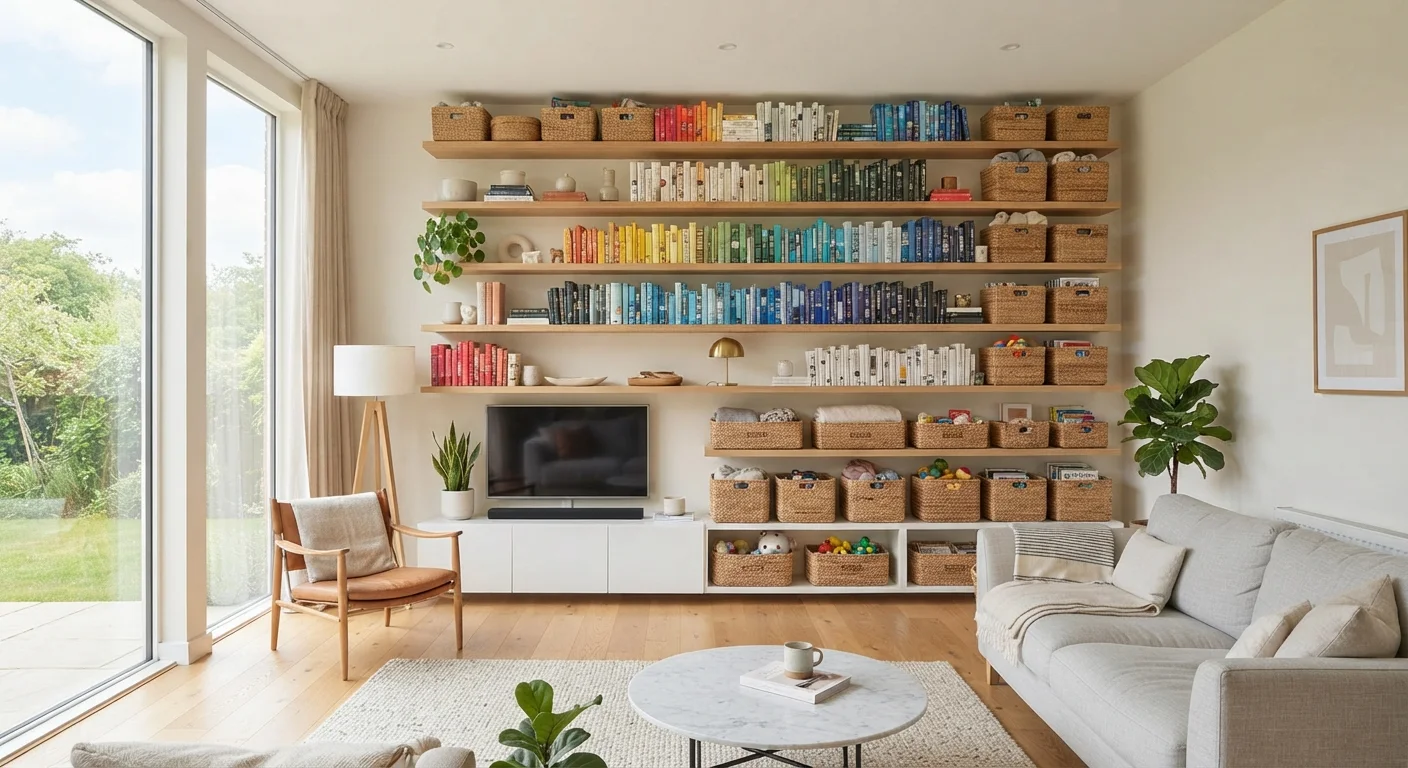
Open shelving is messy and closed cabinets are always the tidier choice.
Fact
Both storage styles have distinct trade-offs; the tidier option depends on the items being stored and the household's maintenance habits.
Open shelving makes frequently used items easier to access and can reduce the tendency to pile things behind closed doors. Closed cabinets hide visual clutter but can become disorganized internally without anyone noticing until the problem is significant. How each performs for accessibility and daily use depends heavily on what's being stored and how often it's used.
What Actually Creates a Sense of Order
Once the myths are out of the way, the practical picture becomes clearer. Organized homes share a few common traits that have nothing to do with square footage or container counts.
80%
Of household items rarely or never used
Organization researchers and professional organizers commonly estimate that the majority of items in a typical home are used infrequently, suggesting volume - not storage capacity - is the core issue.
10 min
Daily reset time for sustained tidiness
Behavioral home organization guides frequently note that short, consistent daily tidying sessions are more effective at maintaining order than occasional deep-clean overhauls.
First, every item has a designated location that's easy to return to - not just a general zone, but a specific spot. Second, the volume of belongings is proportional to the available space. Third, storage is visible enough that people actually use it. Hidden or overly complicated systems tend to collapse within weeks.
Thinking vertically - using wall-mounted shelves, over-door organizers, and tall furniture - dramatically increases usable storage without changing a home's footprint. Most rooms have several feet of wall height that goes completely unused.
Sustainable tidiness also depends on habits more than systems. Simple routines like one-in, one-out prevent the slow accumulation that makes occasional big cleanouts feel necessary. Small daily resets - returning items to their designated spots - matter far more than weekend organization sessions.
Don't Organize Before You Declutter
Sorting, labeling, and buying containers before reducing the volume of items in a space wastes time and money. You'll organize things you'll eventually discard, and the system will feel overwhelming from the start. Always assess what you're keeping first, then design storage around those decisions.
If you share your home with others, it's also worth recognizing that organization systems need to work for everyone using them. Organizing a home with others requires more than clever storage - it requires agreement on how shared spaces are maintained.