

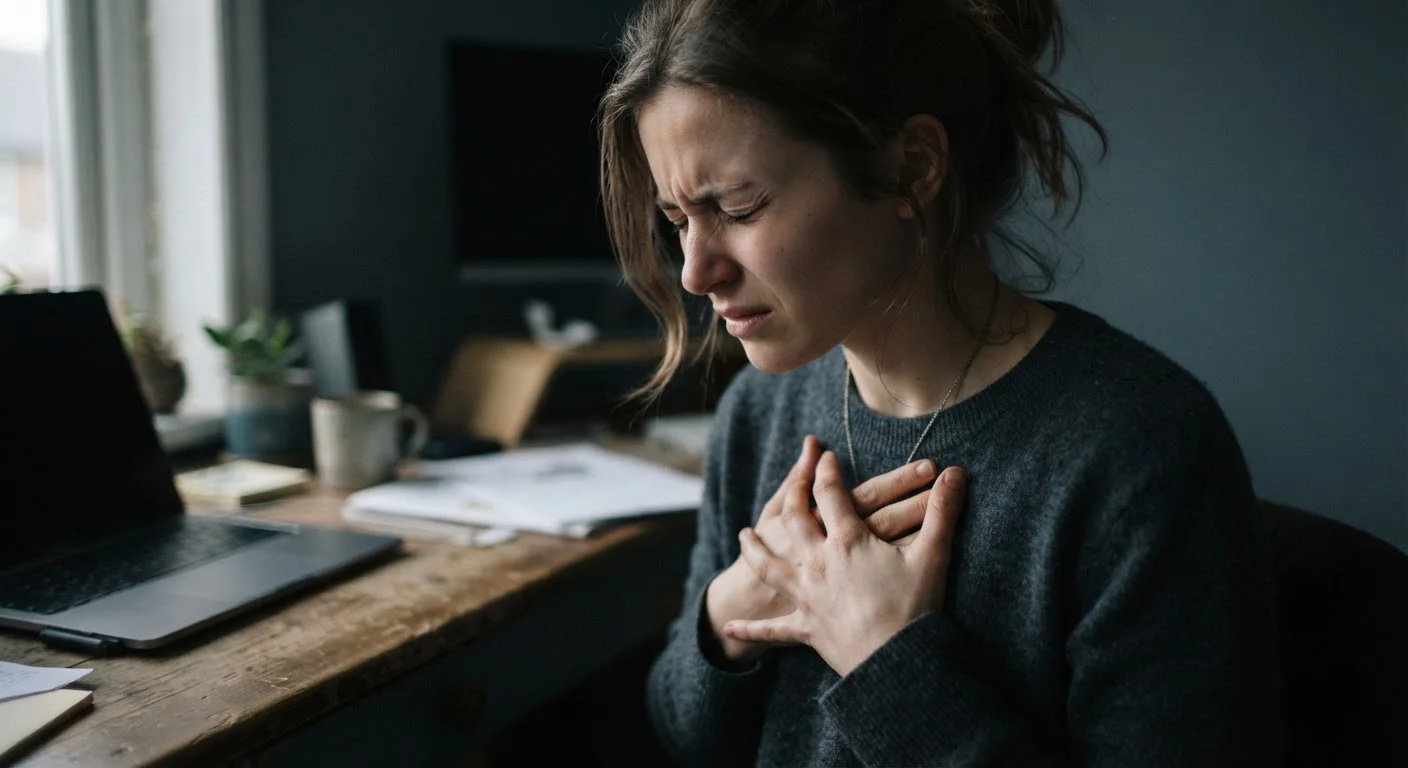
Your Brain Sounds an Alarm - Your Body Answers
When you perceive something stressful - a looming deadline, a confrontational conversation, unexpected bad news - a small region at the base of your brain called the hypothalamus immediately signals the rest of your body. It is a system designed for survival, not modern life, and it does not distinguish between a predator and a performance review.
The hypothalamus activates the sympathetic nervous system, which prompts the adrenal glands (located just above your kidneys) to release two key hormones: adrenaline (also called epinephrine) and cortisol. Together, these chemicals orchestrate what is commonly called the fight-or-flight response.
Adrenaline acts within seconds. It accelerates your heart rate so blood moves faster to your muscles, dilates your airways so you can take in more oxygen, and redirects blood away from non-essential functions like digestion. Cortisol follows more slowly, sustaining the response by raising blood glucose for quick energy and temporarily dampening immune activity - processes the body deprioritises when survival feels urgent.
77%
Adults reporting physical symptoms from stress
According to the American Psychological Association's Stress in America survey, a large majority of adults report experiencing physical symptoms they attribute to stress.
2-3x
Increased cardiovascular risk with chronic stress
Research published in peer-reviewed cardiology literature has found that chronic psychological stress is associated with a significantly elevated risk of cardiovascular events.
~30 min
Typical cortisol peak after acute stress
In healthy individuals, cortisol levels typically peak within 20-30 minutes of a stressor and begin returning toward baseline shortly after the perceived threat passes.
Why the Physical Symptoms Feel So Real
Every symptom associated with stress has a functional explanation rooted in this biology. A racing heart is the body increasing circulation. Shallow, rapid breathing is the respiratory system pulling in more oxygen. Muscle tension - particularly across the shoulders, jaw, and back - is the body bracing for physical action that never comes. Sweating helps cool a body preparing to exert itself.
Stomach upset is another common complaint during stress. The gut contains an extensive network of nerves (sometimes called the enteric nervous system) that communicates directly with the brain. When stress hormones shift blood flow and alter gut motility, nausea, cramping, or changes in digestion can follow. This is part of why stress and digestive health are so closely linked - it is not imagined. Stress can also affect the skin over time; stress and your skin share a real, documented connection worth understanding.
Stress Symptoms vs. Medical Conditions
Many physical symptoms of stress - chest tightness, palpitations, shortness of breath, dizziness - overlap with symptoms of medical conditions that require evaluation. Do not assume physical discomfort is only stress-related without speaking to a healthcare provider, especially if symptoms are new, severe, or persistent. Always seek prompt care for sudden chest pain or difficulty breathing.
When the Alarm Doesn't Switch Off
The fight-or-flight response is built for brief, intense threats after which the body is meant to recover - returning to a calmer baseline called the parasympathetic state. In modern life, however, stressors are often persistent and abstract: financial pressure, relational conflict, work overload. This means the alarm can stay partially activated for weeks or months.
Chronic stress keeps cortisol levels elevated, which research associates with disrupted sleep, impaired immune function, increased blood pressure, and changes in mood and cognition over time. It is not that stress is inherently harmful in every instance - short bursts of the stress response can sharpen focus and motivation. It is the sustained, unresolved activation that poses the greater risk.
Understanding how stress works in the body is also a foundation for building emotional resilience - the capacity to recover rather than remain stuck in a stress state. And if you're managing ongoing stress, it is worth considering whether your current habits are genuinely helping; some coping strategies quietly work against recovery.
“Stress is not just in your head. The body keeps an exquisitely precise record of every stressor, and the physical response is as real as any injury.”
— Bessel van der Kolk, Psychiatrist and researcher; author of works on trauma and the body-mind connection
This article is for informational purposes only and does not constitute medical advice. If you are experiencing persistent physical symptoms related to stress or anxiety, please consult a qualified healthcare professional.