
What Happens in the Body When You're Stressed
Stress activates what's often called the fight-or-flight response - a cascade of hormonal signals designed to prepare the body for perceived threat. The adrenal glands release cortisol and adrenaline, heart rate increases, and blood flow is redirected to major muscle groups. All of this is useful in short bursts. The problem arises with chronic, low-level stress, which keeps those hormonal signals running longer than the body is designed to handle.
For the skin specifically, elevated cortisol has several documented effects. It can increase sebum (oil) production in the skin's sebaceous glands, which contributes to clogged pores. It can also compromise the skin barrier - the outermost layer that keeps moisture in and irritants out. A weakened barrier means skin loses hydration more easily and becomes more reactive to environmental triggers. Additionally, stress promotes inflammatory signaling throughout the body, and the skin, being the body's largest organ, is not immune to that process.
Stress Rarely Acts Alone on the Skin
When stress seems to be affecting your skin, it's usually part of a broader picture involving sleep quality, diet changes, and behavioral shifts like skipping skincare or touching your face more. Isolating stress as the sole cause is difficult - and usually unnecessary. What matters more is recognizing the overall pattern and addressing the contributing factors you can reasonably control.
Which Skin Conditions Are Most Associated with Stress
Research suggests a meaningful association between psychological stress and flares of several common skin conditions. These include:
- Acne: Stress-induced cortisol spikes can drive excess oil production, worsening breakouts in those already prone to them.
- Eczema (atopic dermatitis): Stress can impair the skin barrier and intensify itch-scratch cycles, both of which aggravate eczema.
- Psoriasis: An immune-mediated condition in which stress is frequently reported as a flare trigger, likely because stress alters immune regulation.
- Rosacea: Emotional stress is a commonly cited trigger for flushing and increased redness in people with rosacea.
It's important to note that association is not the same as direct causation. Stress may amplify existing vulnerabilities rather than create conditions from nothing. A person without a genetic predisposition to psoriasis won't develop it from a stressful week at work.
The Habit Layer: Where Daily Choices Fit In
One of the more overlooked parts of this picture is how stress changes behavior - and how those behavioral changes compound the skin's stress response. People under significant stress often sleep less, eat differently, drink more alcohol, skip their skincare routine, or touch their face more frequently. Each of these shifts independently affects the skin.
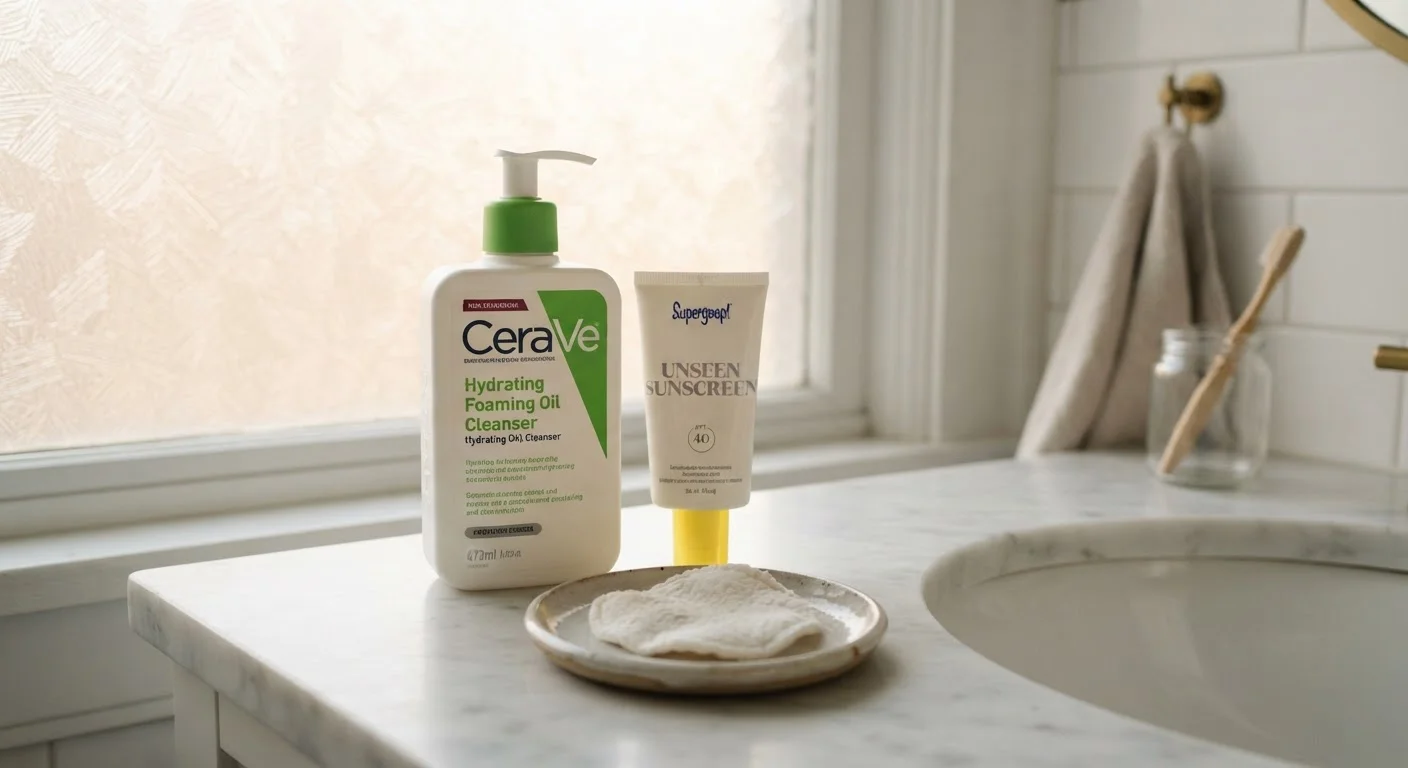
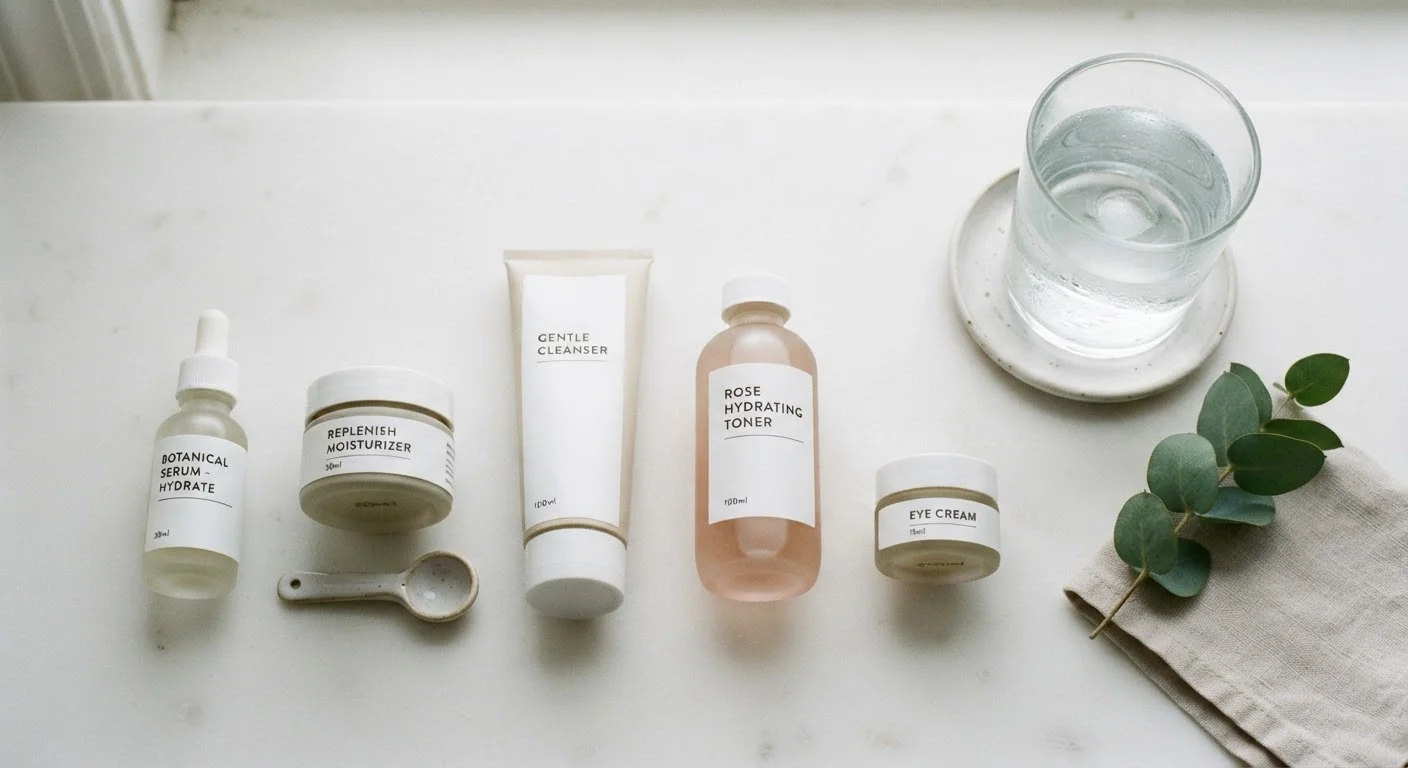
This is why framing skin care as a set of simple, consistent habits matters more than chasing the right product. A basic routine - gentle cleanse, moisturizer to support the skin barrier, SPF in the daytime - maintained consistently during stressful periods tends to do more good than elaborate routines dropped when life gets difficult. See everyday habits that quietly undermine skin health for a look at the small behaviors most likely to work against you without your noticing.
Keep Your Routine Simple and Sustainable
During stressful periods, a pared-back routine is more valuable than an abandoned elaborate one. Aim for a gentle cleanser, a basic moisturizer, and daily SPF - three steps you can realistically maintain even on hard days. Consistency over complexity is what supports the skin barrier long-term.
Hydration is another factor that intersects with stress and skin, though its role is often overstated. What hydration actually does for skin is worth understanding separately from the popular claims.
How to Think About Stress Management for Skin Health
Managing stress for skin health isn't about achieving a perfectly calm life - that's not realistic. It's about building sustainable routines that reduce chronic physiological stress loads over time. Evidence-supported approaches include consistent sleep schedules, regular movement, and basic relaxation practices. These aren't luxury interventions; they're practical maintenance.
If you're trying to understand whether stress is meaningfully affecting your skin, consider tracking flares relative to life events over a few weeks. Patterns often emerge. For persistent or distressing skin changes, a dermatologist is the right first stop - they can rule out other causes and help you build an appropriate care plan. Exploring the mental wellness resources available can also help if ongoing stress itself feels hard to manage.
It's also worth recognizing that some coping habits feel relieving but may create feedback loops that are harder to break. Signs your coping strategies may be working against you covers this dynamic in more depth.
This article is for general informational purposes only and is not medical or dermatological advice. If you have ongoing skin concerns, please consult a qualified healthcare professional or dermatologist.