
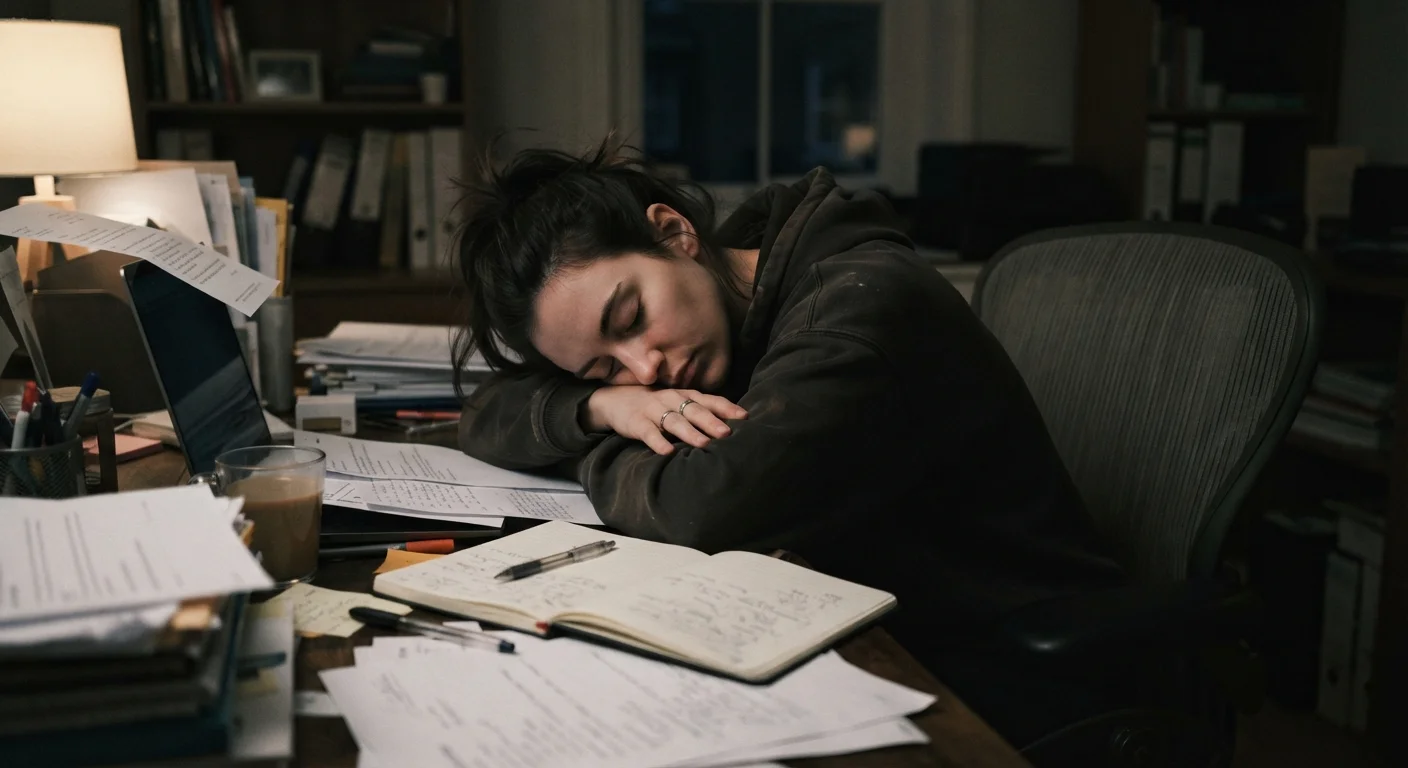
Two Distinct States, Often Conflated
The words "stressed" and "burnt out" are often used as if they mean the same thing. They don't - and the distinction matters practically. Chronic stress and burnout share surface-level symptoms, but they represent different points on a continuum and call for different responses.
Chronic stress is what happens when the body's stress-response system - the hormonal cascade that sharpens alertness and prepares us for demands - stays activated over a prolonged period without adequate recovery. It's a state of persistent pressure. The person experiencing it usually still feels the urgency of what's in front of them; they care, perhaps intensely, about the outcome.
Burnout, by contrast, is what can emerge after chronic stress goes unaddressed for long enough. The World Health Organization classifies burnout as an occupational phenomenon characterised by three dimensions: feelings of energy depletion or exhaustion, increased mental distance from one's work (or cynicism toward it), and reduced professional efficacy. Crucially, someone in burnout often stops feeling the urgency. The caring itself has worn out.
Burnout Is Not a Clinical Diagnosis
It's worth knowing that burnout is not classified as a medical diagnosis in the DSM-5 (the standard diagnostic manual used in the US). The WHO recognises it as an occupational phenomenon, not a medical condition. This doesn't mean it isn't serious - it means that a healthcare provider will typically assess your symptoms in their full context, which may include ruling out conditions like depression or anxiety disorders that can overlap with burnout.
How Each Condition Feels - and What Separates Them
In chronic stress, emotions tend to run hot. Irritability, anxiety, difficulty switching off, disrupted sleep, and physical tension are common. The person is often hypervigilant. There's a sense of too much to do and not enough time, but engagement - however strained - remains.
Burnout typically feels colder. Emotional exhaustion gives way to detachment and a flattening of feeling. Tasks that once felt meaningful can feel hollow. Cynicism about the value of one's efforts is a warning sign, as is a growing sense of personal ineffectiveness - the feeling that nothing you do makes a real difference. Both conditions can show up physically too; stress can affect the body in visible ways, and burnout compounds those effects.
| Criterion | Chronic Stress | Burnout |
|---|---|---|
| Core experience | Persistent overwhelm; too much pressure | Deep depletion; emotional numbness |
| Emotional tone | Anxious, reactive, wound up | Flat, detached, indifferent |
| Motivation | Often still present, though strained | Significantly diminished or absent |
| Typical recovery time | Shorter with consistent rest and support | Longer; often weeks to months |
| Response to rest | Usually helpful and restorative | Limited effect without deeper changes |
| Professional support | Helpful but not always essential | Often an important part of recovery |
It's also worth noting that burnout rarely arrives without warning. Chronic stress is often the runway. Recognising stress early - and taking it seriously - is one of the most effective ways to prevent the longer recovery arc that burnout demands.
Recovery: Why the Path Differs
This is where the distinction becomes most practically important. Recovery from a stressful period - even a prolonged one - can often be meaningfully supported by intentional rest and stress-reduction strategies. Rest is an active component of wellbeing, not simply the absence of activity, and building it consistently into daily life can interrupt the cycle before it reaches the burnout threshold.
Burnout recovery tends to take longer and is less responsive to quick interventions. A holiday or a restful weekend may provide temporary relief, but it rarely addresses the structural patterns - workload, boundary-setting, underlying beliefs about performance - that contributed to burnout in the first place. Many people find that working with a therapist or counsellor is a meaningful part of recovery at this stage.
77%
Workers reporting burnout at current job
A Deloitte survey found that 77% of respondents had experienced burnout at their current job, with more than half citing it happening more than once.
3-6 months
Typical minimum burnout recovery window
Mental health researchers generally estimate that meaningful burnout recovery takes at least several months, with many individuals requiring longer depending on contributing factors.
It's also worth examining the coping strategies already in place. Some habits that feel like relief can quietly make emotional recovery harder - and burnout is a context where that pattern is especially common. Practices like mindfulness and meditation may have a supporting role, though they work best as part of a broader, consistent approach rather than as standalone fixes.
This article is for general informational purposes only and does not constitute medical or mental health advice. If you are experiencing significant distress or symptoms that affect your daily functioning, please consult a qualified healthcare or mental health professional.