
Spending Is Rarely as Rational as We Think
Most of us like to believe our purchases are deliberate. We research, compare, and decide. But a substantial body of behavioral economics research suggests that the majority of spending decisions are shaped by emotion, context, and cognitive shortcuts - not careful reasoning.
This isn't a character flaw. It's how human brains are built. We evolved to make fast decisions under uncertainty, and those same instincts make us vulnerable to well-designed retail environments, targeted advertising, and the psychological pull of social comparison. Understanding why this happens is not about guilt - it's about building genuine awareness so that spending more often reflects what you actually want and value.
See also: everyday habits that quietly erode financial clarity.
~33%
Of purchases described as impulse buys
Research consistently finds roughly a third of consumer purchases are unplanned, driven by in-store or in-app triggers rather than prior intent.
88%
Of shoppers who regret impulse purchases
A widely cited consumer survey found the vast majority of impulse buyers experience post-purchase regret, particularly for higher-value unplanned items.
48 hrs
Cooling-off period used by many financial educators
Many financial counselors recommend a 48-hour waiting period for non-essential purchases as a simple way to reduce emotionally-driven spending.
The Emotional Engine Behind Unplanned Purchases
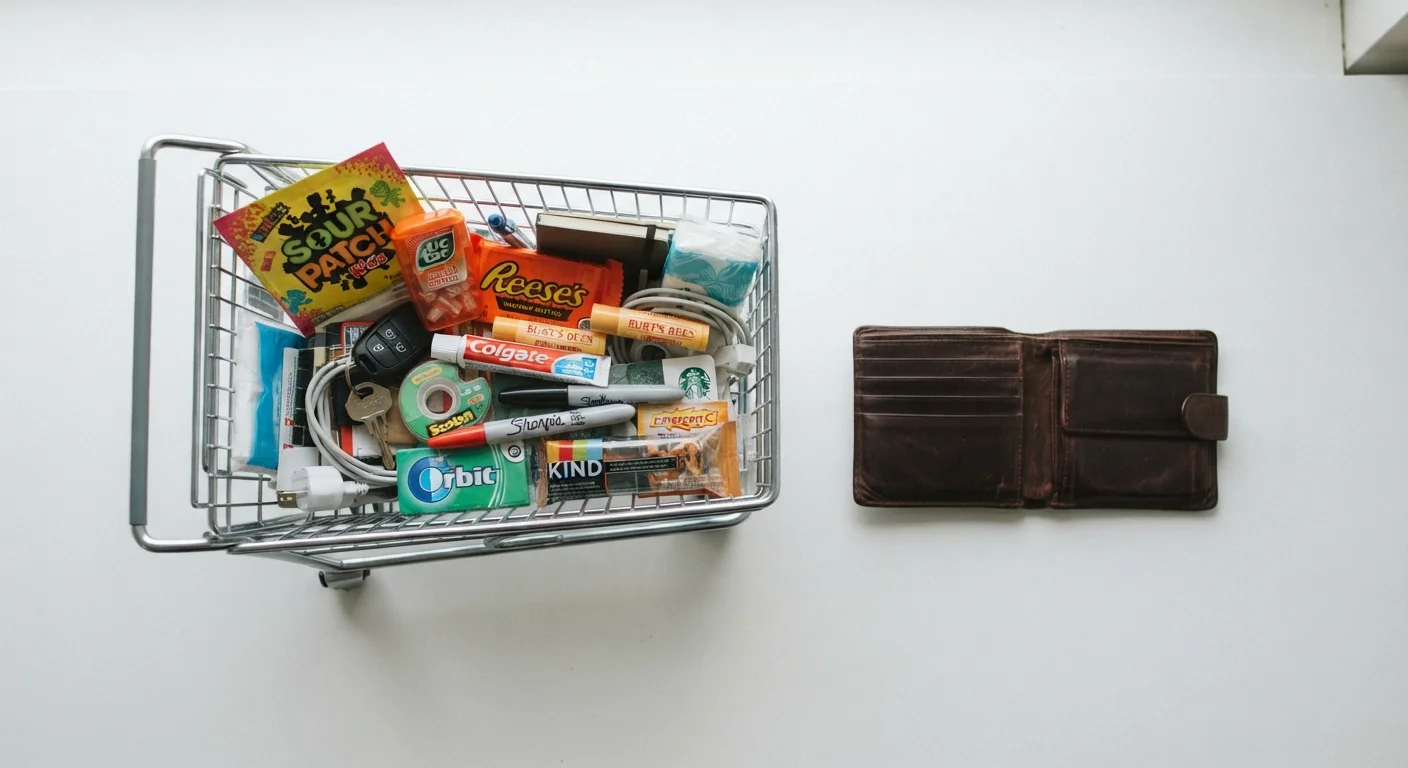
Emotional spending is one of the most consistent patterns in consumer behavior. When people feel anxious, bored, lonely, or even celebratory, purchasing something can deliver a rapid but temporary mood shift. That short-term relief reinforces the behavior, making it more likely to recur the next time the same emotion surfaces.
Retailers understand this well. Store layouts, ambient music, scent, and website design are all calibrated to lower emotional resistance and increase impulsive decisions. Online shopping amplifies this by removing friction: items arrive at your door before the emotional state that triggered the purchase has even faded.
Try the 'Name It Before You Buy It' Rule
Before completing any non-essential purchase, pause and identify the emotion you're experiencing at that moment - stress, excitement, boredom, or something else. Writing it down or saying it aloud takes only a few seconds but can dramatically reduce impulsive follow-through. You're not prohibiting the purchase; you're simply inserting a moment of deliberate awareness between the trigger and the action.
If you want a more structured way to examine what's really driving your purchases, auditing your underlying money assumptions can surface patterns you might not have consciously noticed.
Cognitive Biases That Cost You Money
Beyond emotion, a set of well-documented cognitive biases systematically distort purchasing decisions:
- Anchoring: When you see an item marked down from $200 to $120, your brain evaluates the $120 against the $200 anchor - not against your actual budget or whether you needed the item at all.
- The sunk cost fallacy: Spending more on something because you've already invested in it. Buying accessories for a gadget you rarely use is a common example.
- Present bias: Placing disproportionate value on immediate gratification over future benefit. This is why it's easier to spend today than to save for next year.
- Social proof: Assuming something is worth buying because others appear to be buying it - a bias heavily exploited by review systems and trending product lists.
None of these biases make you irrational. They make you human. But naming them gives you more agency over them.
Biases Are Universal, Not Personal Weaknesses
Cognitive biases affect everyone, regardless of income, education, or financial literacy. They're features of how the human brain manages information overload - not signs of poor judgment. Behavioral economists have documented these patterns across thousands of controlled studies. Knowing this can shift your relationship with financial missteps from shame to curiosity, which is a more productive starting point for change.
What to Do With This Awareness
Psychological insight is only useful if it connects to practical change. A few approaches that have research support:
- The spending pause: Introduce a 24- to 48-hour waiting period before any non-essential purchase. The majority of impulse desires fade without that delay needing to be permanent.
- Name the emotion: Before completing a purchase, ask what you're feeling right now. Stress, boredom, and excitement are all common purchase triggers. Labeling the emotion often reduces its pull.
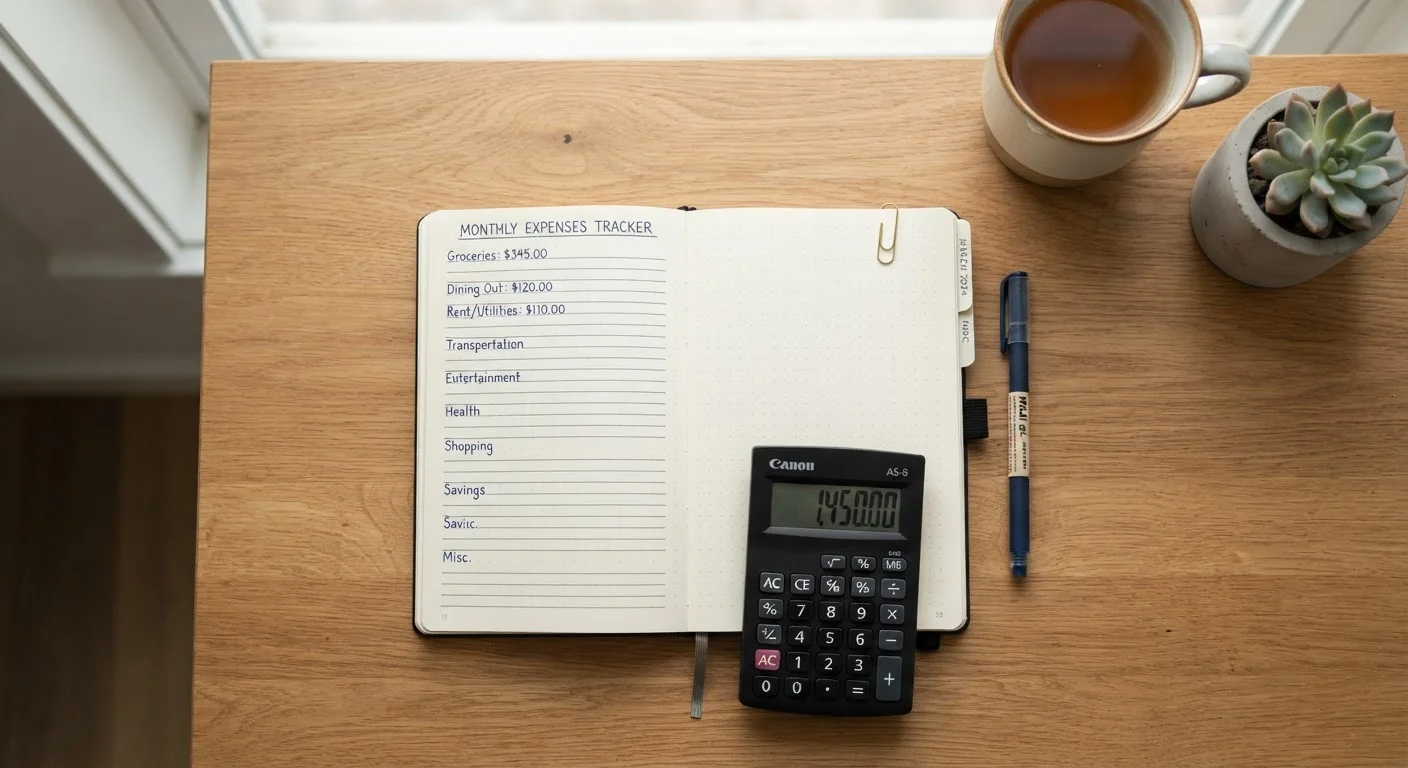
- Track spending honestly: Tracking where your money actually goes makes invisible patterns visible - a precondition for changing them.
- Audit what you already own: Before buying something new, check whether you already own something that serves the same purpose. This is especially relevant for clothing: shopping your own wardrobe first can satisfy the desire for novelty without new spending.
Understanding how discretionary spending reveals your actual priorities can also reframe how you relate to non-essential purchases - not as failures, but as data about what matters to you.
“The goal of financial literacy isn't to eliminate desire or turn people into spending robots. It's to create enough space between impulse and action that choices can actually be made - rather than just happen.”
— Dan Ariely, Behavioral economist and author of 'Predictably Irrational'
This article is for general informational and educational purposes only and does not constitute financial or psychological advice. For guidance tailored to your specific circumstances, consider speaking with a qualified financial adviser or mental health professional.