
What Kind of City New Orleans Actually Is
New Orleans is one of the most genuinely distinctive cities in the United States-not in a marketing-brochure way, but in ways that will become apparent the moment you arrive. Its culture, architecture, food, music, and even its relationship with time operate differently than most American cities.
The city is built on layers: French and Spanish colonial history, a large and influential African diaspora, Caribbean and Creole traditions, and a post-Civil War American South identity that never quite absorbed the rest. Understanding this layering is the single most useful frame you can bring as a first-time visitor. It explains why the food tastes the way it does, why second-line parades happen on random Sunday afternoons, and why the neighbourhoods feel so different from one another.
Tourism tends to compress New Orleans into Bourbon Street and beads. That picture isn't wrong-it's just radically incomplete. For a model of how to read a destination beyond its tourism image before arrival, it's worth spending time on critical destination research rather than relying on surface-level highlights.
Creole
Refers to the people, culture, language, and cuisine that developed in colonial Louisiana through the blending of French, Spanish, African, and Caribbean influences. In food contexts, Creole cuisine is the more urban, refined tradition centered in New Orleans.
Cajun
A cultural and culinary tradition rooted in the Acadian French settlers of rural south Louisiana. Cajun food is generally spicier and more rustic than Creole cooking, though the two traditions overlap in many dishes.
Second Line
A style of community parade rooted in African American New Orleans traditions, featuring a brass band and dancers. The 'second line' refers to the community members who follow behind the main procession, dancing freely.
Mardi Gras
A Catholic pre-Lenten festival celebrated with parades, music, and street parties. In New Orleans, the season begins January 6 (Epiphany) and culminates on Fat Tuesday, the day before Ash Wednesday. The specific date changes each year.
French Quarter
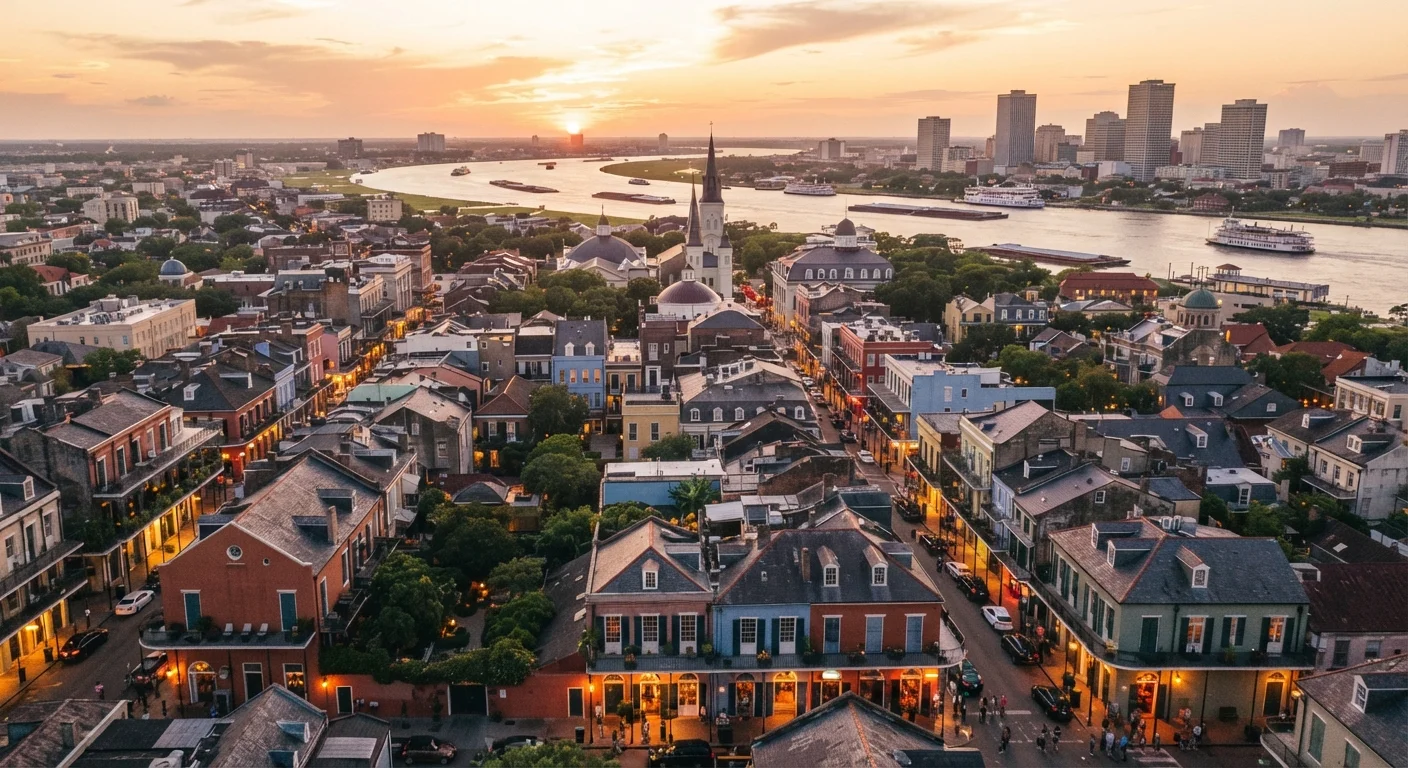
The oldest neighbourhood in New Orleans, originally settled by French colonists in the early 18th century. Despite its name, much of its surviving architecture reflects the Spanish colonial period. It remains the city's most visited area.
Jazz Fest
Short for the New Orleans Jazz & Heritage Festival, an annual event held across two weekends in late April and early May. It features music, food, and crafts, and draws very large crowds from across the country.
Neighbourhoods Worth Understanding Before You Go
Where you stay and spend time in New Orleans shapes your entire experience. The city's neighbourhoods are not interchangeable.
- French Quarter: The historic core, dense with bars, restaurants, music venues, and tourists. Convenient but loud, especially on weekends. Ideal if you want to be in the middle of everything; less ideal for sleep.
- Marigny and Bywater: Directly downriver from the Quarter, these neighbourhoods offer a more local atmosphere with strong music and arts communities. Frenchmen Street in the Marigny is widely considered the city's best live music strip.
- Garden District: Uptown neighbourhood known for its 19th-century mansions, oak-lined streets, and a quieter residential feel. Accessible by the St. Charles Avenue streetcar.
- Mid-City: A residential neighbourhood with local restaurants, City Park, and the New Orleans Museum of Art-less visited by tourists but genuinely rewarding.
- Warehouse/Arts District: Home to contemporary art galleries and museums, positioned between downtown and the Garden District.
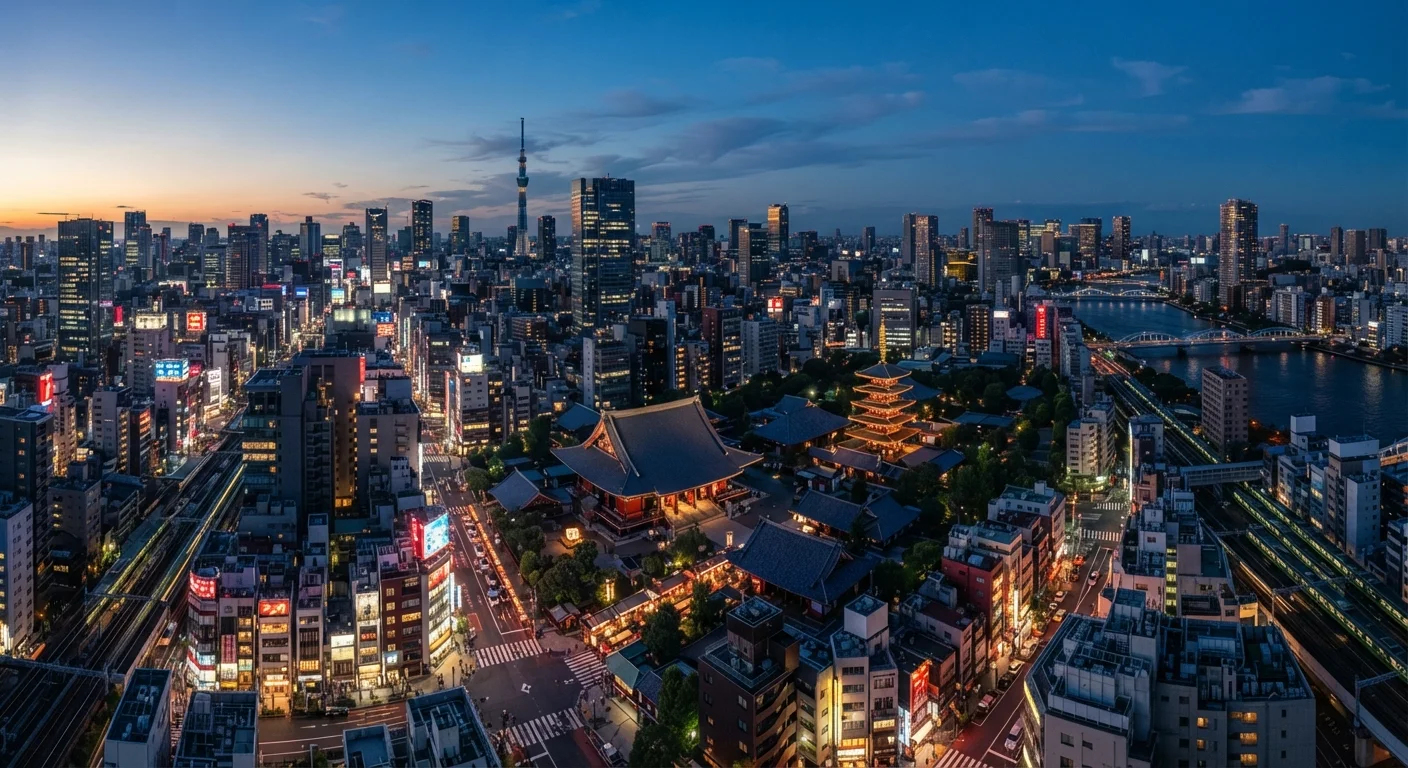
For travelers coming from internationally focused trips, the neighbourhood-by-neighbourhood approach to cities like this one contrasts interestingly with places like Tokyo, where what surprises visitors most is often the city's uniformly high baseline of safety and navigability across all districts.
Timing Your Visit: Seasons, Festivals, and Trade-offs
New Orleans has no truly neutral season. Every time of year involves genuine trade-offs.
February-April is generally considered the most comfortable window. Temperatures are mild, Mardi Gras falls in this range (the date shifts annually based on the Catholic calendar), and the city's energy is high. Jazz Fest-held across two weekends in late April and early May-draws large crowds and raises accommodation prices significantly.
Summer (June-August) brings extreme heat and humidity, with daily temperatures routinely above 90°F and heat indices making outdoor time genuinely taxing. Hurricane season is active from June through November, with the statistical peak around mid-September.
Fall can be pleasant once temperatures drop in October and November, and the city is less crowded. December through January is mild by many standards but can be cool, and the city quiets noticeably after New Year's.
Book Festival Accommodations Early
For Mardi Gras and Jazz Fest, accommodation in central neighbourhoods can sell out six months or more in advance. If your dates overlap with either event, treat booking as the first task in your planning process, not an afterthought. Prices also rise sharply as the event date approaches.
If you're still in the early stages of planning, a first-timer's trip planning roadmap can help you sequence the logistics before committing to dates.
Food, Culture, and What to Actually Prioritise
New Orleans has one of the most regionally specific food cultures in the country. Dishes like gumbo, red beans and rice, jambalaya, beignets, po'boys, and étouffée are not generic Southern food-they are products of specific historical and cultural intersections. Seeking out neighborhood spots and long-established local restaurants typically yields more authentic experiences than tourist-facing establishments in the heaviest foot-traffic zones.
Music is similarly central and similarly accessible outside the obvious venues. Second-line parades-community brass band processions with roots in African American funeral traditions-occur throughout the year, often in residential neighbourhoods with no admission fee. Checking local event listings rather than only venue schedules will surface these.
The city's museums-including the National WWII Museum, the New Orleans Museum of Art, and the Historic New Orleans Collection-provide substantial context for both American history and the city's own layered past. Budgeting at least one museum day into a trip of three or more days is worthwhile.
Music Venues Vary Widely by Format
Some New Orleans music venues have covers and set times like conventional concert halls; others are walk-in bars where bands play continuously and listeners come and go. Frenchmen Street in the Marigny typically operates on the latter model, making it easy to sample multiple acts in one evening without committing to a single show.
Practical Realities First-Timers Often Miss
A few logistical realities are worth knowing before you arrive:
- Flooding: Parts of New Orleans sit at or below sea level. Heavy rain-common in summer-can flood streets quickly. Waterproof shoes are not overkill.
- Noise: The French Quarter and nearby areas are loud well into the night, especially on weekends. If you're a light sleeper, this matters for accommodation choice.
- Heat management: If you visit in summer, plan outdoor activity for mornings, take midday breaks indoors, and stay hydrated. The humidity makes heat feel significantly more intense than the thermometer suggests.
- Tipping culture: Musicians performing in bars and on streets typically rely heavily on tips. If you're listening, contributing is part of participating in the local economy that sustains the music scene.
- Entry requirements and safety information: Always verify current conditions, any relevant travel advisories, and neighbourhood-specific considerations through official government sources before your trip.
Approaching New Orleans with a degree of flexibility and curiosity-rather than a rigid itinerary-tends to produce the most rewarding visits. The city rewards unhurried attention.
New Orleans Official Visitor Guide
The city's official tourism resource provides neighbourhood overviews, event calendars, and practical arrival information useful for initial trip planning.
National Hurricane Center
For travelers visiting during hurricane season (June-November), this NOAA resource provides authoritative, real-time storm tracking and forecasts for the Gulf Coast region.
New Orleans Jazz & Heritage Festival Site
The official Jazz Fest site lists lineup announcements, ticketing details, and scheduling information-essential reading if your trip overlaps with the festival dates.