

Why Older Adults Are Targeted More Often
Scammers are strategic. Older adults are disproportionately targeted not because of any lack of intelligence, but because of circumstances that criminals deliberately exploit: retirement savings, consistent internet routines, greater politeness in unfamiliar interactions, and sometimes less familiarity with how digital manipulation works. According to the FBI's Internet Crime Complaint Center, adults over 60 consistently report the highest financial losses from internet crime of any age group in the United States.
Understanding why you're a target reframes the conversation. This isn't about being naive - it's about being in the crosshairs of a well-funded, organized fraud industry. That shift in framing matters: the problem isn't your competence; it's the sophistication of the threat.
$3.4B+
Losses reported by adults over 60 in a single year
According to the FBI's 2023 Internet Crime Report, Americans over 60 reported over $3.4 billion in losses from internet crime.
Over 60
Age group with highest reported internet crime losses
The FBI's Internet Crime Complaint Center consistently finds adults over 60 report the greatest financial losses from online fraud of any US age group.
~$10,000
Median loss per romance scam victim
The FTC has reported that median individual losses in romance scams are significantly higher than most other fraud categories.
The Most Common Scams to Recognize
Knowing the playbook scammers use is your first line of defense. The most frequently reported schemes targeting older adults include:
- Grandparent scams: A caller claims to be a grandchild in crisis - arrested, hospitalized, or stranded abroad - and urgently needs money wired or gift cards purchased. A second voice may impersonate a lawyer or official.
- Government impersonation: Messages claiming to be from the IRS, Social Security Administration, or Medicare threaten penalties unless you act immediately. Real agencies contact you by postal mail first and never demand gift card payment.
- Tech support fraud: A pop-up or cold call warns your computer is infected. The caller asks for remote access or upfront payment. No legitimate tech company operates this way.
- Romance scams: A relationship develops online over weeks or months before the person asks for money due to an emergency. The FBI reports romance scams are among the costliest fraud types for adults over 60.
- Prize and lottery scams: You've won something - but must pay fees or taxes first to claim it. Legitimate sweepstakes never require payment to receive winnings.
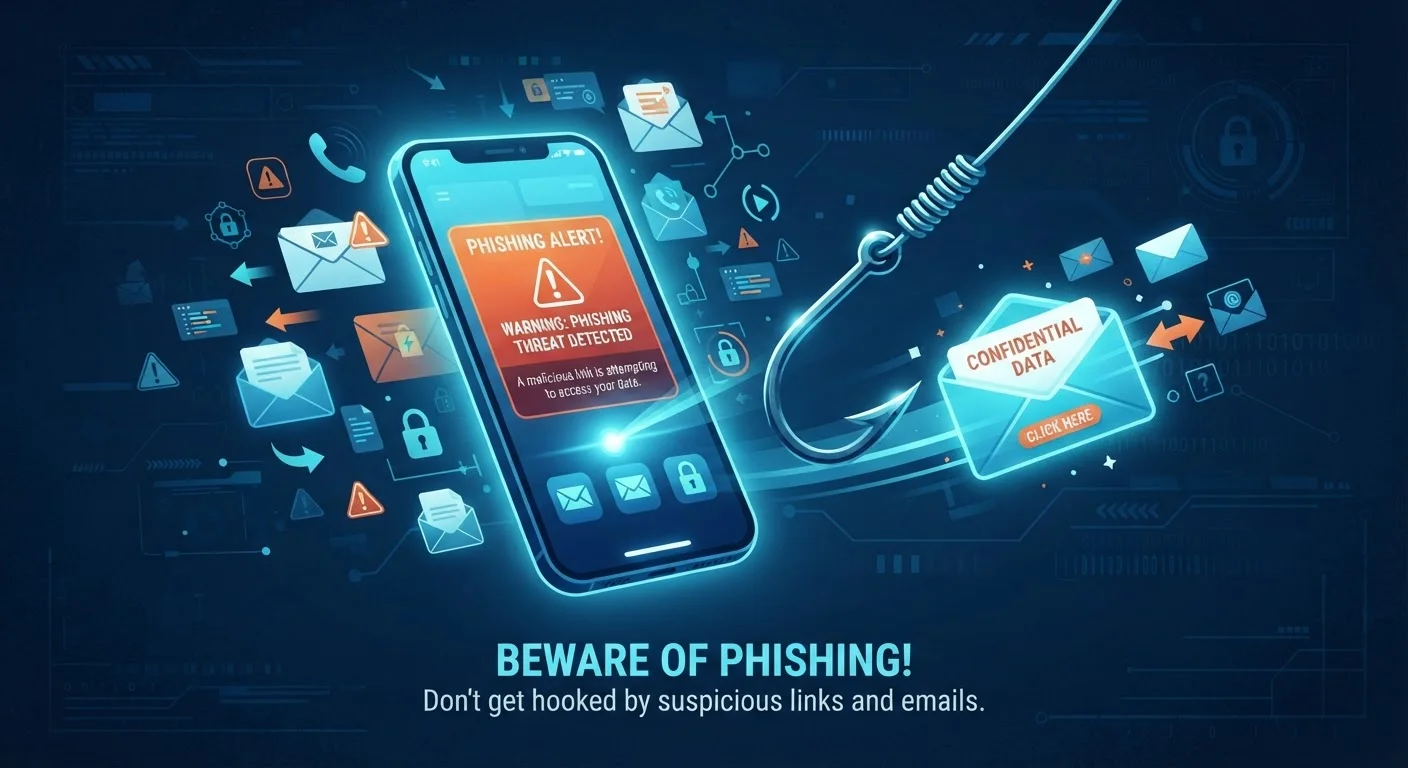
For a deeper look at how phishing emails, text messages (smishing), and phone calls (vishing) work together, see how phishing, smishing, and vishing differ.
When you receive an unexpected call from someone claiming urgency, hang up and call the organization back using a number you find independently - never the one the caller gave you.
Scammers rely on the assumption that you'll stay on the line. Breaking that contact and verifying through an independent channel defeats the most common pressure tactics.
Create a short list of two or three trusted people you will consult before sending any money or sharing personal information online, no matter how urgent the situation seems.
Research on fraud prevention consistently finds that having a designated 'pause and check' person dramatically reduces the likelihood of falling for high-pressure scams.
Red Flags That Signal a Scam
Scams rarely announce themselves plainly, but they do share recognizable warning signs:
- Urgency and pressure: Any message demanding you act within minutes or hours is designed to prevent you from thinking clearly or consulting someone you trust.
- Unusual payment methods: Requests for gift cards, wire transfers, cryptocurrency, or money orders are almost always fraudulent. Banks and government agencies do not collect payments this way.
- Unsolicited contact: A call, text, or email you did not initiate asking for personal information should raise immediate suspicion.
- Too-good-to-be-true offers: Free money, prizes you didn't enter for, or investment returns that seem unusually high are reliable red flags.
- Requests for secrecy: Being told not to tell family members is a manipulation tactic. Legitimate organizations don't operate in secrecy.
When evaluating a website you've been sent to, look beyond the padlock icon. Practical signals for identifying trustworthy sites go well beyond basic visual cues.
Gift Cards Are Never a Legitimate Payment Method
No government agency, utility company, or court system will ever ask you to pay a debt or fine using gift cards. If anyone - by phone, email, or text - asks you to buy gift cards and read them the numbers, treat it as a scam, regardless of how official they sound. Hang up and report the contact to the FTC.
Protecting Your Personal Information Online
Keeping your data private doesn't require technical expertise - it requires a handful of consistent habits applied in the right places.
Passwords and accounts
Use a different password for every important account. A password manager app can generate and store complex passwords for you so you don't have to remember them. Enable two-factor authentication (2FA) - the extra code sent to your phone when you log in - on email, banking, and social media accounts. This single step dramatically reduces the chance of an unauthorized person accessing your account even if your password is compromised.
Email and messaging
Don't click links inside unexpected emails or texts, even if they appear to come from someone you know. Go directly to the organization's official website by typing the address yourself. Be cautious about what personal details you share in social media profiles - scammers mine that information to personalize their approach.
For a broader foundation, privacy habits worth building before you need them walks through durable practices across the web.
A Simple Rule for Suspicious Messages
When in doubt, don't click - navigate. If you receive an email or text claiming to be from your bank, Medicare, or any institution, close it and go directly to the organization's official website by typing the address into your browser yourself. This one habit eliminates most phishing attempts before they can do harm.
What to Do If You've Been Targeted
If you suspect you've encountered a scam - whether or not money changed hands - taking action matters.
- Stop contact immediately. Don't respond further, don't send more money, and don't provide additional information.
- Tell someone you trust. A family member, friend, or trusted advisor can help you think through next steps calmly.
- Report it. File a complaint with the FTC at ReportFraud.ftc.gov and with the FBI's IC3 at ic3.gov. If money was sent, contact your bank right away - in some cases, transactions can be reversed if reported quickly.
- Document everything. Save screenshots, note caller ID numbers, and write down what was said. This information helps investigators.
Act Quickly If Money Was Sent
If you've already sent money to a suspected scammer, contact your bank or card issuer immediately - time is critical. Wire transfers and gift card payments are difficult to reverse, but your bank may have options if you report within hours. Don't wait out of embarrassment; financial institutions take these reports seriously and have procedures to help.
Reporting is not just about recovering losses - it helps authorities track patterns and potentially protect others. Many people don't report because they feel embarrassed, but fraud is a crime committed against you, not a reflection of your judgment.
Building Lasting Digital Safety Habits
Safety online is less about any single tool and more about recurring, low-effort habits. Think of it like locking your front door - you don't evaluate the decision every time, you just do it.
- Keep your phone and computer software updated. Updates frequently patch security vulnerabilities that scammers exploit.
- Before acting on any unexpected request - by phone, email, or text - pause and verify through an independent channel (look up the number yourself, don't use the one provided).
- Discuss scam tactics with people you trust. Awareness is contagious in the best way.
Evidence-informed practices for everyday digital life can help you make these behaviors automatic over time. And if you're helping a family member get started, staying secure online without a technical background offers an accessible entry point.
FTC Report Fraud Portal
ReportFraud.ftc.gov is the official Federal Trade Commission portal for reporting online scams, fraud, and identity theft. Reports help the FTC identify patterns and take action against scammers.
FBI Internet Crime Complaint Center (IC3)
IC3.gov allows victims and witnesses of internet crime to file official complaints with the FBI. It is the primary federal resource for tracking and responding to online fraud.
AARP Fraud Watch Network
AARP's Fraud Watch Network offers free alerts, a fraud helpline, and educational resources specifically focused on scams that target older adults in the US.
Cybersecurity & Infrastructure Security Agency (CISA) Tips
CISA publishes plain-language cybersecurity guidance for everyday users, including how to recognize phishing, secure accounts, and respond to digital threats.
This article is for general informational and educational purposes only. If you believe you are a victim of fraud, contact your financial institution and local law enforcement promptly.