
Why Sentimental Clutter Is Different
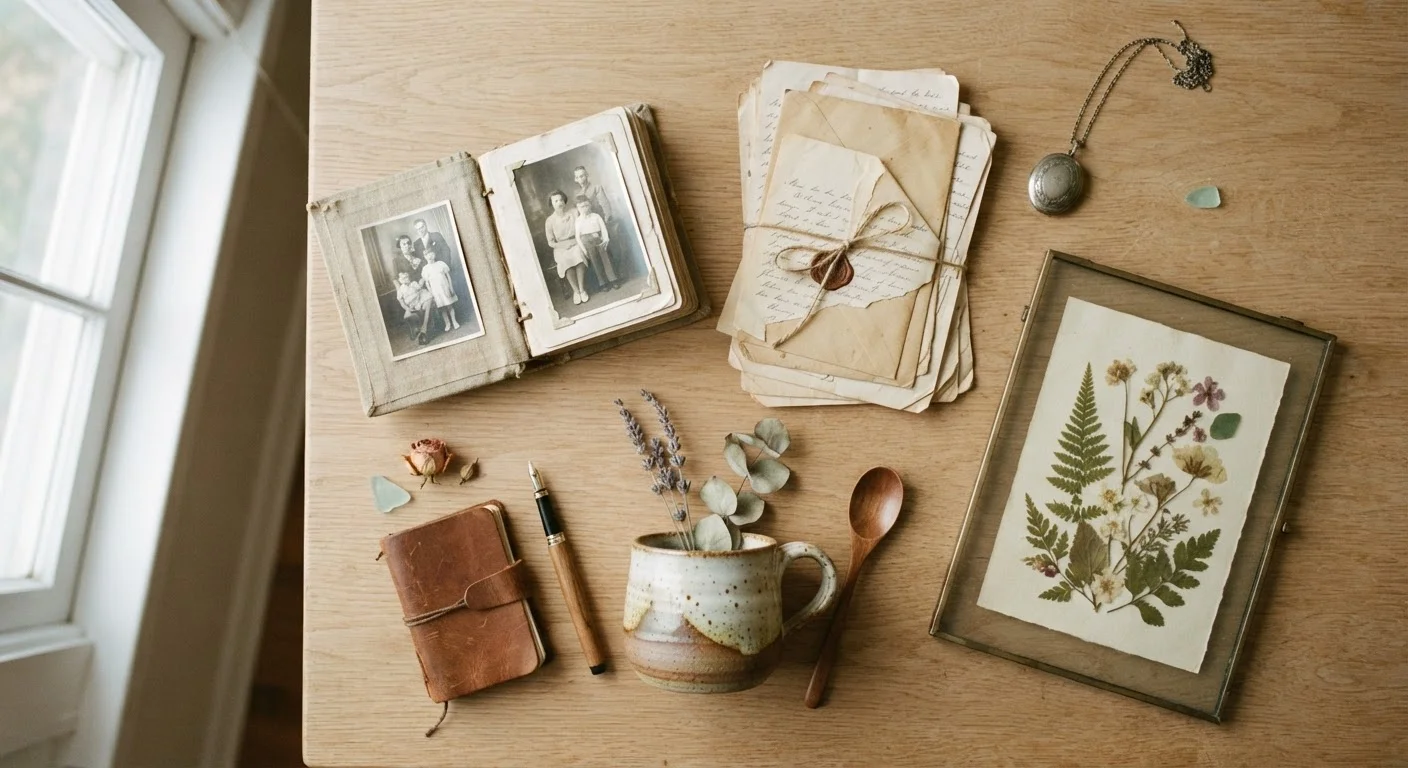
Ordinary clutter - a broken kitchen gadget, an outdated cable, clothes that no longer fit - is relatively easy to evaluate. Sentimental clutter resists the same logic. Objects tied to people we love or chapters of our lives carry emotional weight that makes straightforward utility questions feel inadequate and even disrespectful.
The difficulty is compounded by guilt. Many people hold onto items not because they bring joy, but because releasing them feels like a betrayal of the person who gave them or the time they represent. This guilt is normal, but it's worth examining. Keeping an object out of obligation - stored in a box you never open - rarely honors a memory the way people hope it will.
Understanding this distinction is the first step. If you're already working on broader decluttering efforts, our guide on decluttering without the overwhelm offers a sustainable foundation to build on before you tackle the more emotionally complex categories.
Avoid Sorting When Emotionally Depleted
Tackling sentimental items when you're already stressed, grieving, or exhausted almost always leads to regret - either keeping far too much out of anxiety or discarding things impulsively. Schedule these sessions for a time when you feel calm and unhurried. Even 45 minutes on a quiet weekend morning is more productive than a rushed hour during a stressful week.
Getting Ready to Sort
Preparation matters more with sentimental items than with any other category. Before you open a single box, set yourself up for a productive session.
What you will need
Archival storage boxes
Safely house items you're storing long-term without displaying, protecting them from dust and light damage.
Label maker or adhesive labels
Clearly mark storage boxes so contents are identifiable without opening each one.
Smartphone or digital camera
Photograph items before releasing them to preserve the memory without keeping the object.
Small notebook or journal
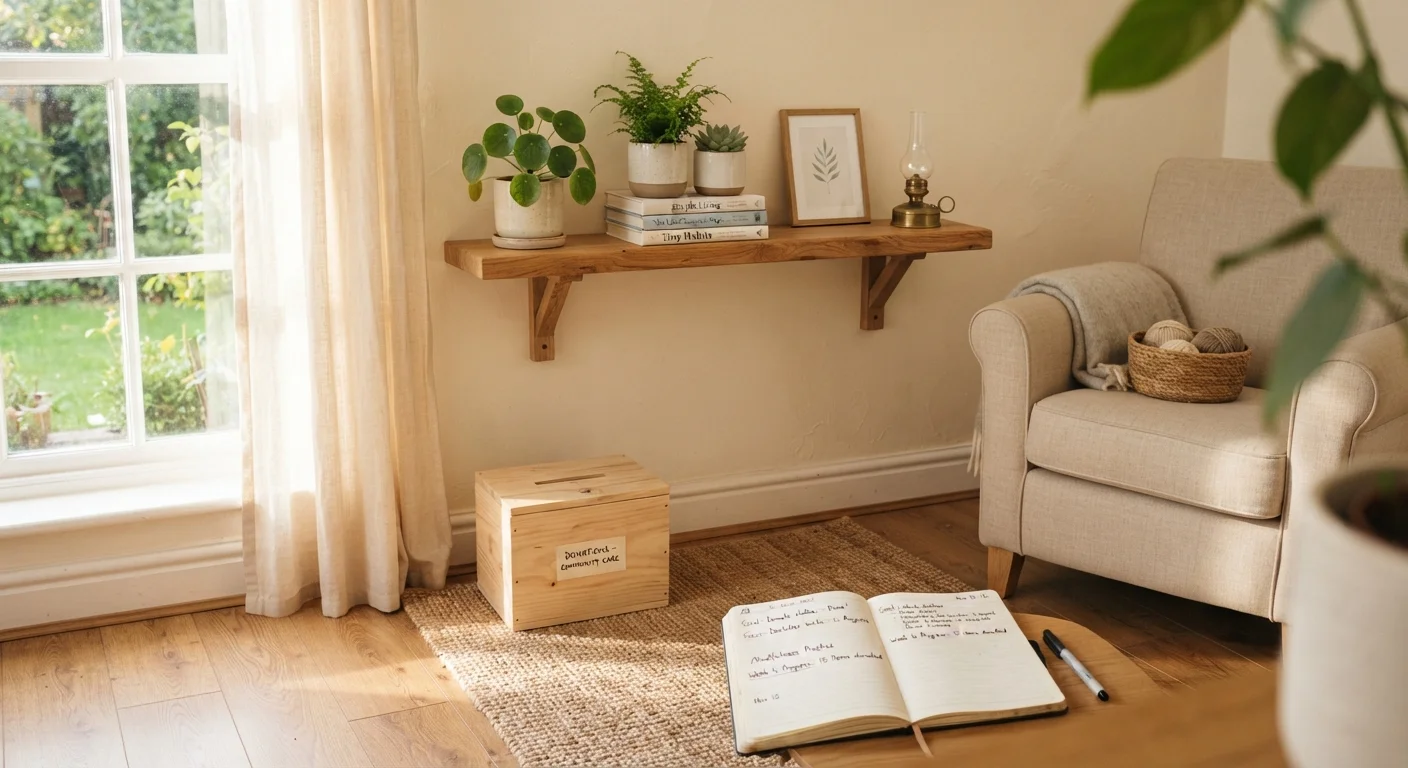
Record the story or significance of items being passed on or donated, creating a lasting personal record.
Plan to work in sessions of no more than 90 minutes. Emotional fatigue is real, and decisions made when depleted are harder to feel confident about later. If a session ends and you haven't finished, that's fine - label the pile clearly and return to it another day.
Don't Sort Alone After a Loss
If you're going through a loved one's belongings after a death or major life transition, the emotional weight is amplified. There is no deadline - give yourself permission to pause. Consider asking a trusted friend to sit with you, not to make decisions, but simply to provide steady company. If grief feels unmanageable, speaking with a counselor or grief support group before tackling physical items may be more helpful than any organizational system.
The Step-by-Step Sorting Process
The following steps walk you through a structured, manageable approach to sorting one category of sentimental items at a time. Work through them in order during each session.
Choose one contained category to start
Don't begin with the attic or every storage bin at once. Instead, choose a single, manageable category - childhood school projects, greeting cards, or one inherited box. Sentimental sorting is emotionally demanding, and limiting the scope of each session prevents the paralysis that comes from feeling overwhelmed. Once you finish one category successfully, the next becomes easier.
Lay everything out and do a first pass
Spread the entire category on your flat surface so you can see all of it at once. Do a quick, instinctive first pass: pull out anything that immediately feels like a clear keep or a clear release. Don't analyze - just react. This reduces the pile before you engage more carefully with the genuinely difficult items.
Apply the three-category framework
Sort remaining items into three groups:
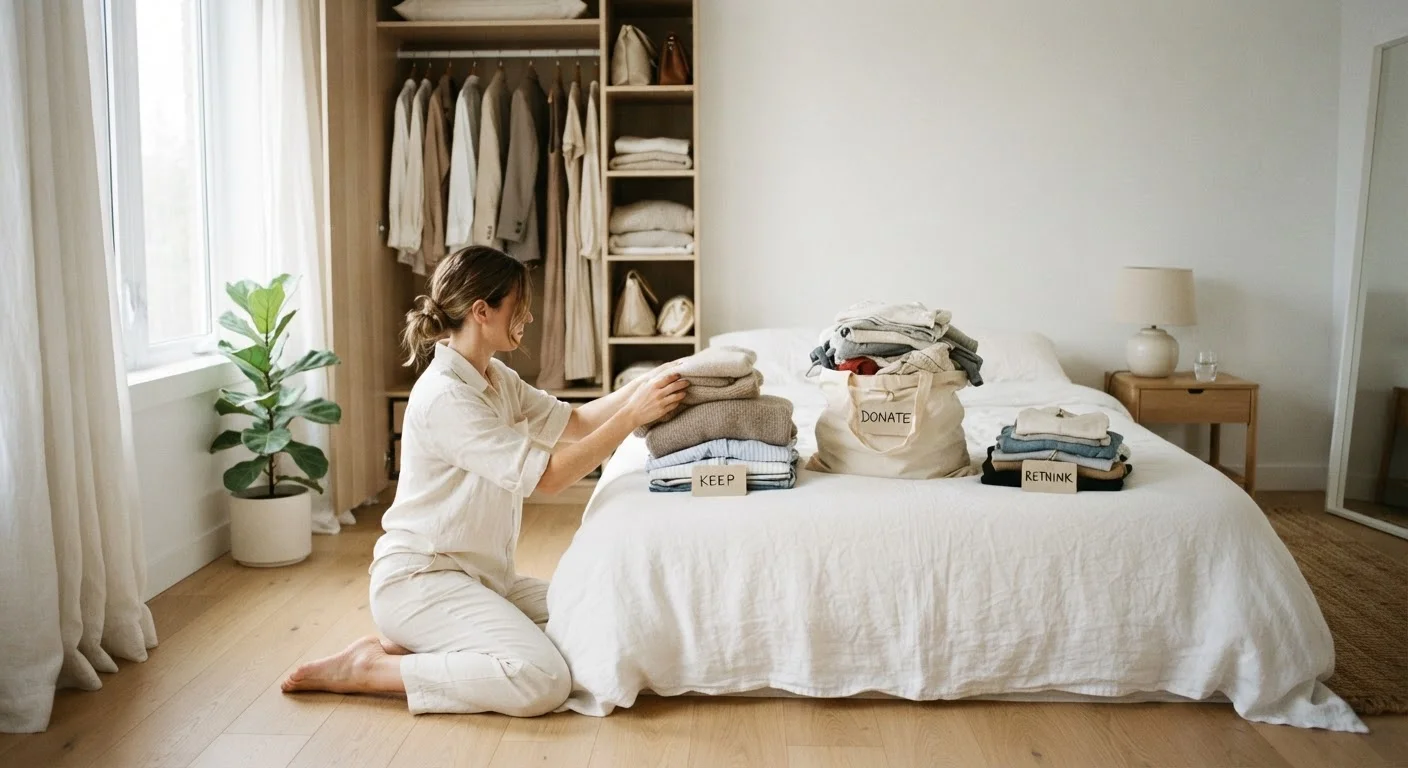
- Keep: Items you actively love, use, or display. Not items you feel obligated to keep.
- Store: Items with genuine historical or family significance that you're not ready to release - but that don't need to be accessible daily. Limit this category strictly.
- Pass On: Items better suited to a family member who would genuinely use them, or a donation destination that aligns with the item's purpose (a local theater for costume jewelry, a school for art supplies).
This structure mirrors the approach used in broader decluttering projects. For context on applying a similar framework to clothing, see our wardrobe audit checklist.
Capture the memory before releasing the object
For items in your Pass On pile, take a photograph and write a brief note - who gave it to you, when, and what it meant. This step is not about justifying the decision; it's about honoring the memory while freeing yourself from the physical obligation. A simple photo album or dedicated folder on your phone works well as an archive.
Act on your Pass On pile within a week
Once items are sorted into the Pass On category, follow through promptly. Contact family members who might want specific pieces. Research local organizations that accept the type of donation you have. The longer a 'Pass On' box sits in your home, the more likely it is to drift back into storage by default. Completing this final step is what converts intention into a genuinely lighter home.
Preserve the Memory, Not Always the Object
Before letting go of a bulky or fragile item, take a clear photograph and jot a sentence or two in a notebook about what it meant to you and who gave it to you. This creates a personal archive that honors the memory without requiring shelf space. Many people find the release much easier once the story is captured.
Once you've worked through your sentimental categories and established a calmer, more intentional home, maintaining that clarity becomes the next challenge. Our article on habits that keep clutter from coming back offers practical strategies for staying organized without constant overhauls.