
Why Your Electrical Panel Deserves Attention
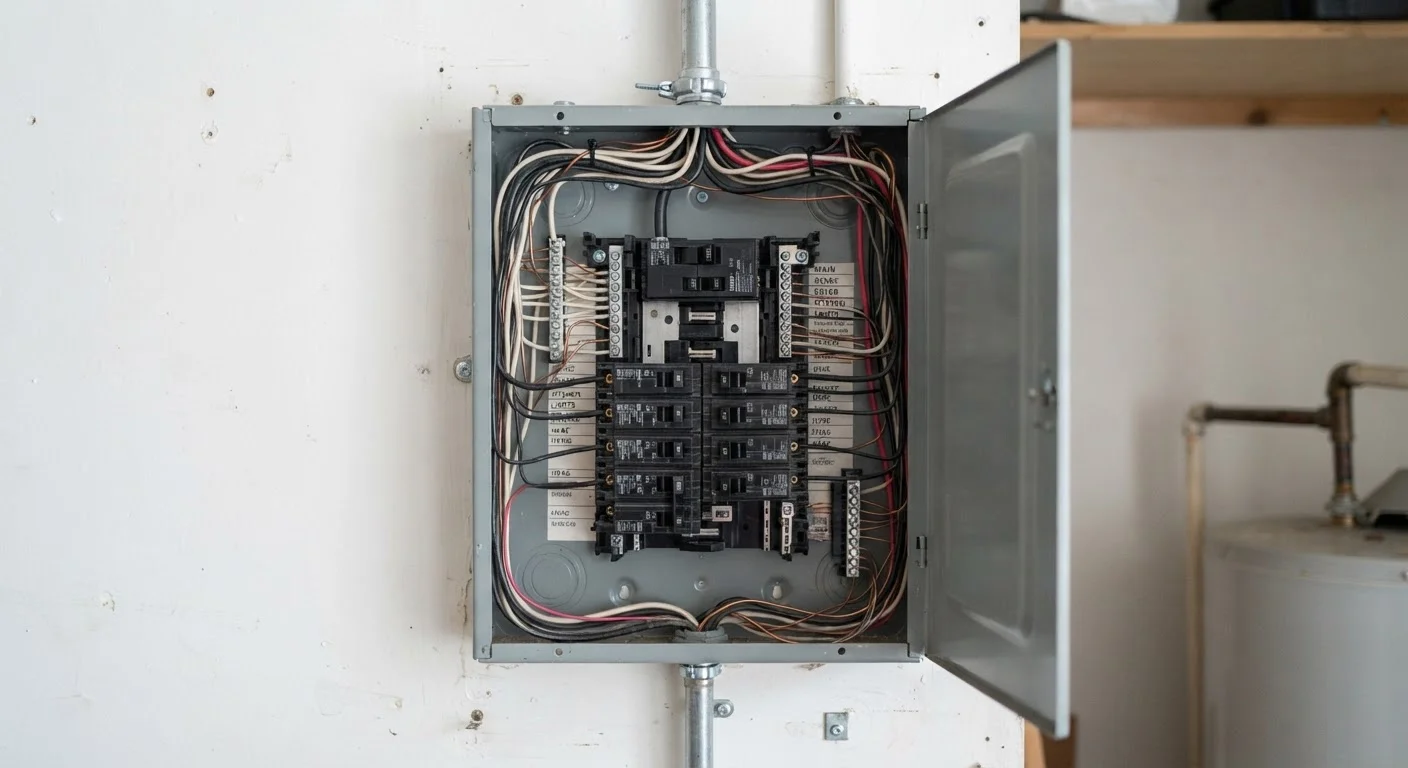
Your home's electrical panel - sometimes called the breaker box or load center - is the central hub that distributes power throughout your house. It's easy to ignore because it usually works quietly in the background. But when it starts showing warning signs, the stakes are high. Electrical failures are a leading cause of residential fires in the United States, according to the U.S. Fire Administration.
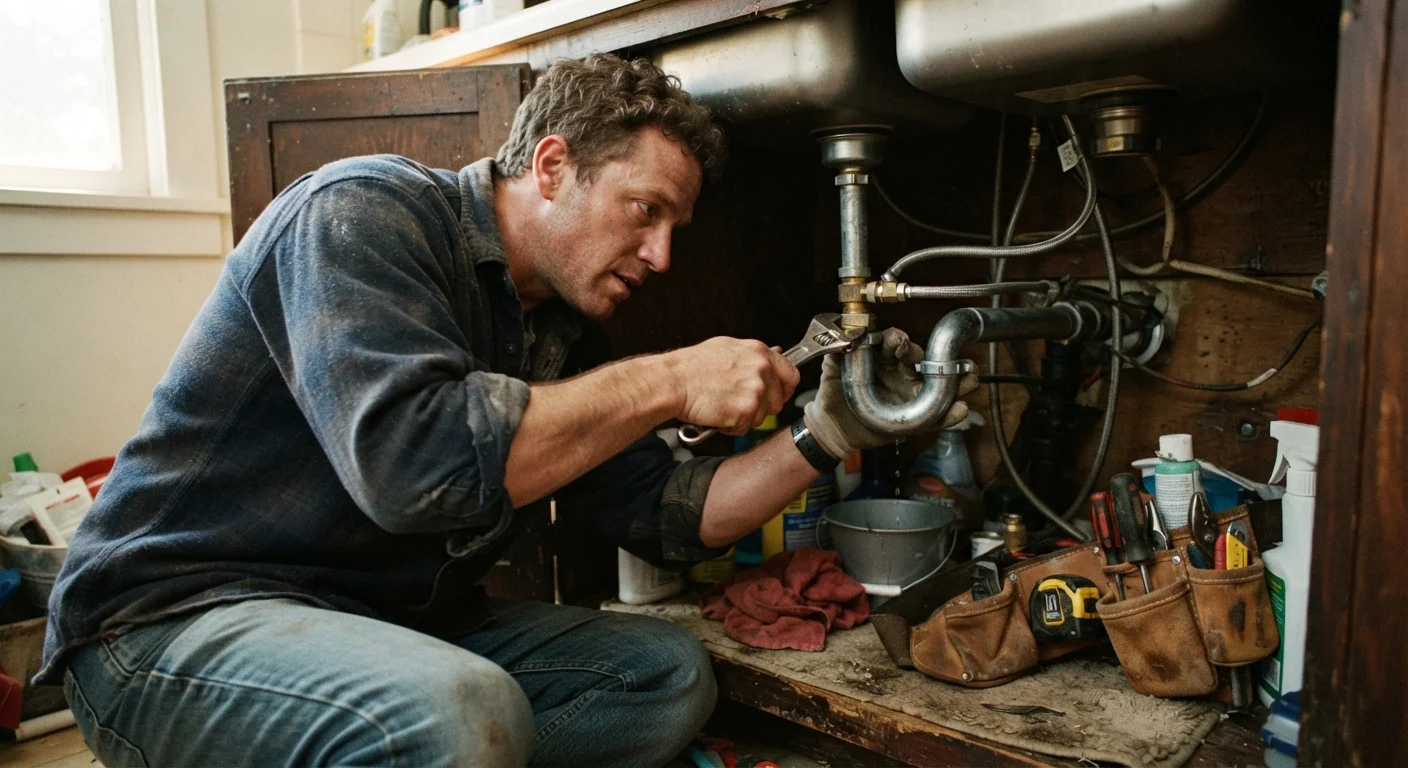
Unlike a leaky faucet or a squeaky door hinge, electrical panel problems aren't a category of DIY fix. Panel work involves live circuits, local code compliance, and potentially pulling permits. The guidance here is meant to help you recognize the signs - not diagnose or repair them yourself. When you spot any of the issues below, the right next step is always a call to a licensed electrician. Think of it the same way you'd approach knowing when a plumbing issue exceeds DIY territory - see our guide on plumbing tasks that need a licensed plumber for a useful parallel.
Breakers that trip frequently
Circuit breakers are designed to trip - to cut power - when a circuit is overloaded. An occasional trip is normal. But if one or more breakers trip repeatedly, especially under normal household loads, that's a signal worth taking seriously.
Frequent tripping may indicate that your panel is undersized for your home's current electricity demand, that a specific circuit is carrying more load than it was designed for, or that a breaker itself is worn and failing to hold correctly. A licensed electrician can assess whether a circuit needs to be rerouted, a breaker replaced, or the panel's overall capacity increased.
Repeated breaker trips under normal loads suggest your panel may be undersized or failing.
Flickering or dimming lights
If your lights flicker or dim when you run a large appliance - like an air conditioner, dryer, or refrigerator - that brief fluctuation often points to a capacity issue at the panel level. The panel may be struggling to handle simultaneous demand across multiple circuits.
While a single isolated flicker isn't an emergency, a persistent or worsening pattern warrants professional evaluation. In some cases, it can indicate loose wiring connections inside the panel itself, which carries a fire risk.
Lights that dim when appliances run often point to a panel struggling with simultaneous demand.
Burning smell or scorch marks near the panel
A burning or acrid smell near your electrical panel - or visible scorch marks, discoloration, or melted plastic around breakers or the panel door - is a serious warning sign that should not be ignored. These are indicators of overheating, arcing, or burning insulation.
If you notice any of these signs, avoid touching the panel and contact a licensed electrician promptly. Depending on the severity, it may also be appropriate to contact your utility provider or local fire authority for immediate guidance.
Burning smells or scorch marks near a panel are serious signs of overheating or arcing.
An older panel or one that still uses fuses
Electrical panels have a general lifespan of roughly 25-40 years, though this varies by manufacturer and usage. If your home has a fuse box rather than circuit breakers, or if your panel is several decades old, it may not meet current electrical codes or the power demands of modern households.
Some older panel brands have also been associated with documented safety concerns - a licensed electrician can tell you whether your specific panel model has any known issues and whether replacement is advisable.
Panels older than 25-40 years or still using fuses may fall short of modern safety standards.
You're adding major appliances or expanding your home
Adding a home office, finishing a basement, installing an EV charger, or upgrading to a larger HVAC system all increase your home's electrical load. If your panel is already near capacity, these additions can push it into overload territory - causing breakers to trip regularly or, worse, creating conditions for overheating.
Before any significant addition or renovation, have a licensed electrician evaluate whether your current panel can safely support the increased demand. This step is often required as part of the permitting process anyway.
Major home additions or new appliances can push an aging panel past its safe capacity.
Outlets or switches that feel warm or spark
While outlets and switches are downstream of the panel, outlets that feel warm to the touch, make buzzing sounds, or produce small sparks when devices are plugged in can sometimes trace back to wiring or circuit issues originating at the panel. They may also reflect overloaded circuits.
Warm outlets and sparking should always be investigated by a professional. Don't use an outlet that feels hot or has visible discoloration around its plate until it has been inspected.
Warm or sparking outlets can signal overloaded circuits that trace back to panel issues.
What to Do When You Spot a Warning Sign
If you've recognized one or more of these signs in your home, don't wait. Electrical hazards can worsen quickly, and some - like arc faults or overheating wiring - aren't visible at all until damage is already done.
Keep a Simple Record of Electrical Issues
Before calling an electrician, jot down which breakers trip, how often, and under what conditions. Note which rooms or appliances are involved. This record helps a professional diagnose the problem faster and gives you a clearer picture of whether issues are escalating over time.
Start by calling a licensed electrician for a panel inspection. They can evaluate your current capacity, identify any code issues, and recommend the appropriate fix - whether that's a targeted repair, a panel upgrade, or a full replacement. Costs and timelines will vary depending on your home's age, panel condition, and local code requirements, so get multiple quotes and verify that any work will be permitted and inspected.
This article provides general educational information about home electrical systems and is not a substitute for advice from a licensed electrician. Always consult a qualified professional before undertaking or authorizing any electrical work in your home.