
Why Hydration Is Easier to Get Wrong Than It Looks
Most people know water matters. What is less obvious is how many small, everyday habits quietly undermine adequate hydration - without any obvious warning signs until energy dips, focus fades, or headaches creep in. Hydration is not complicated, but it is easy to deprioritize in a busy day, and several widespread misconceptions make it harder than it needs to be.
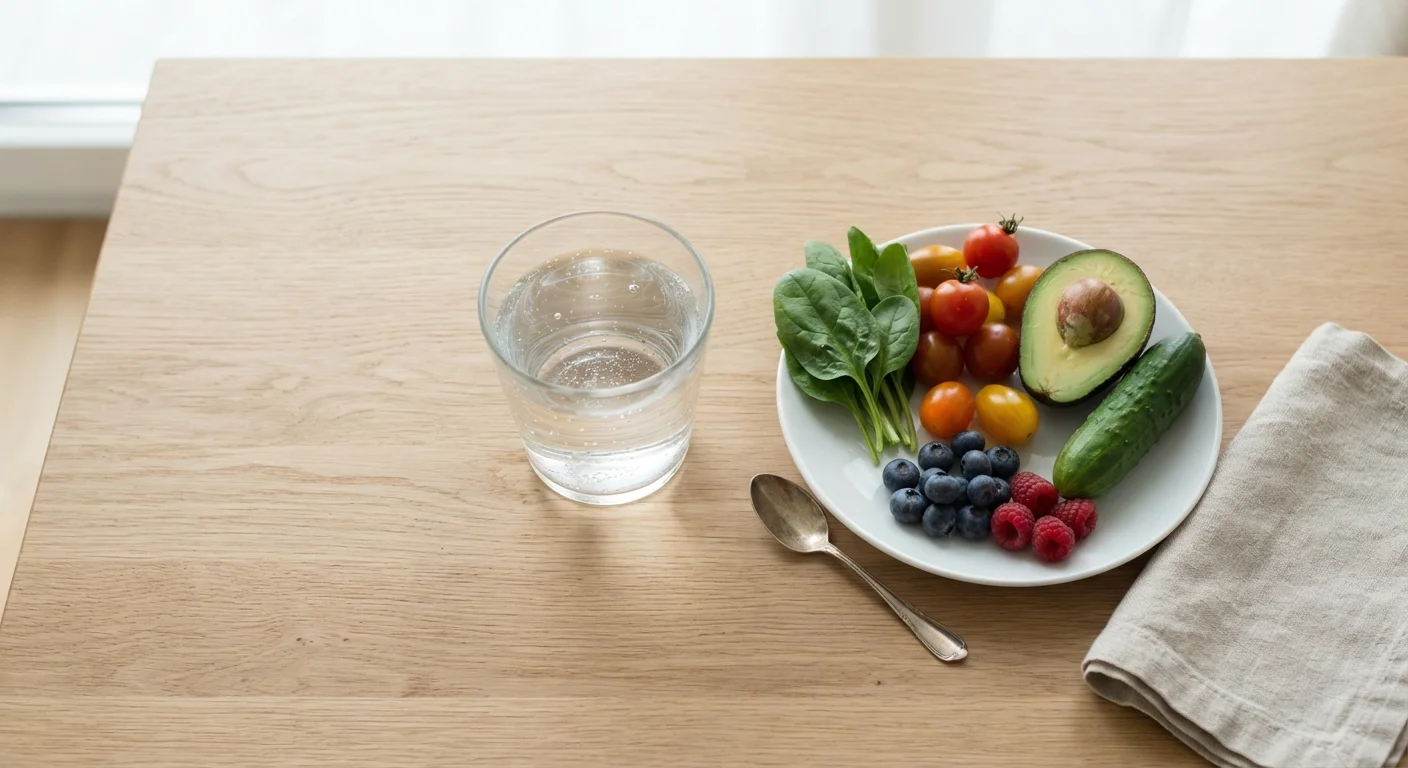
The good news: the fixes are genuinely low-effort. This article walks through the most common hydration mistakes, why they happen, and what to do instead. For a broader look at how water fits into your overall diet, see our guide on hydration and nutrition.
Waiting until you feel thirsty to drink water.
Why it happens: Thirst feels like a reliable signal, so most people treat it as the cue to drink. In reality, thirst typically registers after mild dehydration has already set in.
Counting coffee and energy drinks as full substitutes for water.
Why it happens: Caffeinated drinks do contribute fluid to your daily intake, and older claims that coffee is purely dehydrating have been largely revised by research. This sometimes leads people to assume any beverage counts equally.
Drinking a large amount of water all at once rather than spreading intake throughout the day.
Why it happens: People often realize by afternoon that they have had very little to drink and try to compensate quickly. It feels like a logical catch-up strategy.
Ignoring increased fluid needs during exercise, heat, or illness.
Why it happens: Daily routines create a baseline habit, and it is easy to forget that sweating, fever, or vomiting significantly raise fluid losses beyond that baseline.
Assuming the '8 glasses a day' rule applies to everyone equally.
Why it happens: This figure is widely repeated and feels like official guidance, but it is a rough population average that does not account for body size, diet, climate, or activity.
Building Habits That Actually Hold
Correcting hydration habits does not require tracking apps or strict schedules. The most effective approach is pairing water intake with things you already do - drinking a glass when you wake up, before each meal, and when you sit down to work. These anchors require no willpower and are easier to sustain than arbitrary daily targets.
Special Populations Need Extra Caution
Fluid needs differ significantly for older adults, young children, pregnant or breastfeeding individuals, and people managing chronic conditions such as kidney disease or heart failure. For these groups, both under- and over-hydration carry greater risks. Always consult a healthcare provider for personalized guidance rather than relying on general population recommendations.
Urine color remains one of the simplest self-checks available: pale straw yellow generally suggests adequate hydration, while dark yellow or amber is a prompt to drink more. This is general guidance, not a diagnostic tool - certain vitamins, medications, and foods affect urine color regardless of fluid intake.
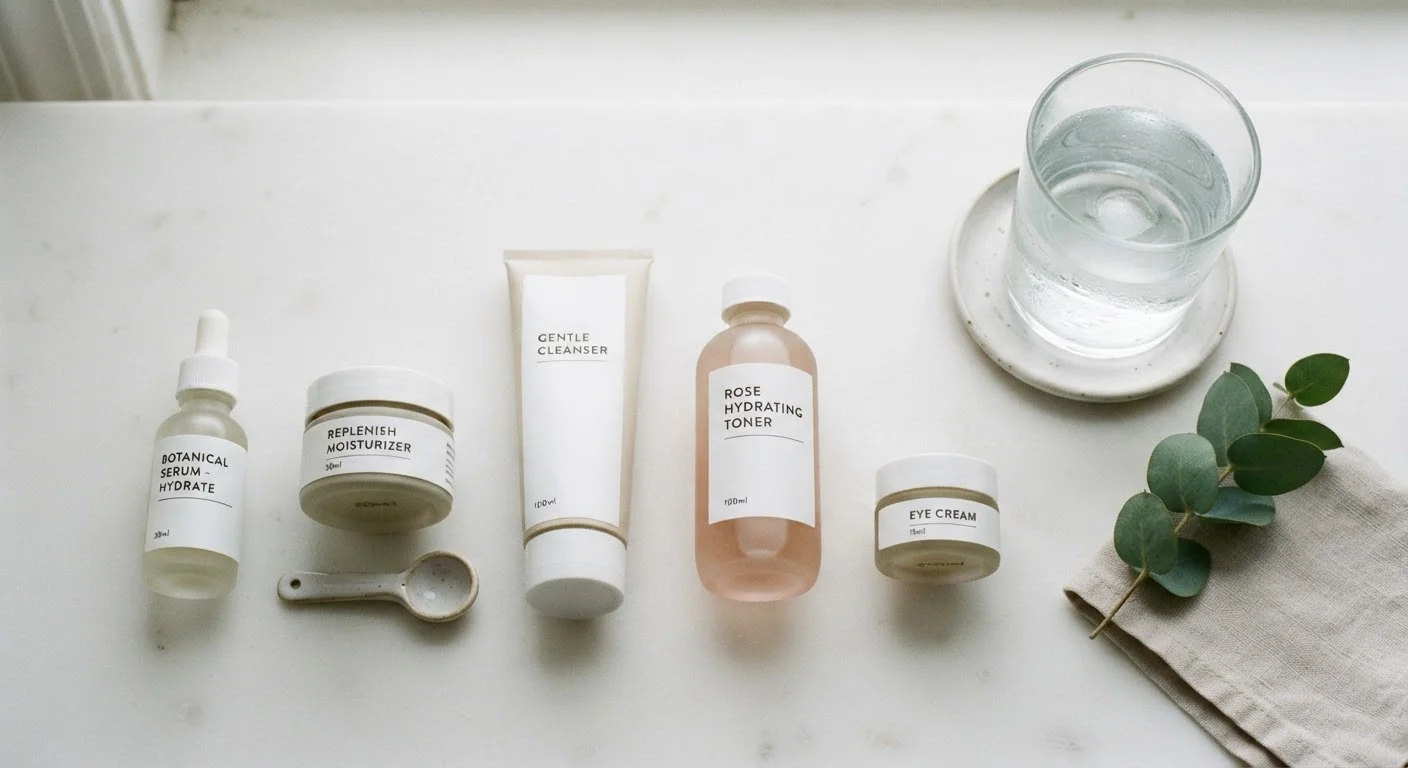
It is also worth noting that hydration affects more than thirst. Research continues to explore links between fluid intake and areas like digestion, concentration, and even skin appearance - though the relationship is more nuanced than popular claims suggest. Our article on hydration and skin health unpacks where the evidence holds up and where it is overstated.
If you find it difficult to maintain any self-care routine consistently, the patterns behind that are worth understanding too. Self-care habits people often abandon explores why good intentions stall - and how to design around that.
This article is for general informational purposes only and does not constitute medical advice. If you have concerns about your hydration, kidney function, or any related health symptoms, please consult a qualified healthcare professional.