

Where the Misunderstanding Comes From
Over the past decade, "self-care" has been used to sell everything from bath bombs to expensive retreats, which has made the concept feel like a luxury reserved for people with extra time and money. That framing has done real damage: it leads people to assume self-care is something they either can't afford or don't deserve unless they've already reached some threshold of stress or burnout.
The commercial version of self-care is easy to spot: it tends to be photogenic, product-dependent, and occasional. The actual practice looks nothing like that. It's quieter, more habitual, and often unglamorous - things like going to bed at a consistent hour, drinking enough water, or taking five minutes to breathe before responding to a stressful message.
Self-Care Looks Different for Everyone
There is no universal self-care checklist that works for all people. Introversion, physical ability, cultural background, work demands, and personal values all shape which practices are realistic and meaningful for a given person. The goal is to identify what genuinely supports your health and capacity - not to replicate what looks good on a social media feed. Our everyday self-care checklist offers a flexible framework to adapt to your own life.
Understanding what self-care isn't helps just as much as knowing what it is. It isn't a reward you earn after a hard week. It isn't selfish. And it isn't something that requires a budget, a long to-do list, or perfect conditions to start.
What Self-Care Actually Covers
Genuine self-care spans several interconnected areas of health:
- Physical: Sleep, movement, hydration, regular medical check-ups, and basic hygiene. These are foundational - when physical needs go unmet, everything else becomes harder.
- Mental and emotional: Managing stress constructively, setting personal limits, processing difficult emotions rather than suppressing them, and seeking support when needed.
- Social: Maintaining relationships that are sustaining, and recognizing when certain interactions consistently drain rather than support you.
- Purposeful: Engaging in activities that give you a sense of meaning or satisfaction, whether that's creative work, community involvement, or learning something new.
These categories overlap. A short daily walk, for instance, addresses physical health, can lower stress, and sometimes serves as social time - all at once. You don't need to check every category every day; the goal is steady, realistic attention across them over time.
1 in 3
US adults not getting enough sleep
According to the CDC, about one-third of US adults report sleeping fewer than the recommended seven hours per night - making sleep one of the most commonly neglected self-care basics.
~10 min
Daily movement that can lift mood
Public health guidance from sources including the CDC notes that even brief bouts of physical activity - as short as ten minutes - can have measurable positive effects on mood and energy levels.
Small Habits Over Grand Gestures
Research on habit formation consistently supports the idea that small, repeated behaviors produce more durable change than occasional intensive efforts. Applied to self-care, this means a ten-minute wind-down routine practiced nightly is likely to serve you better than a single weekend wellness retreat taken twice a year.
“Self-care is not self-indulgence. It is self-preservation.”
— Audre Lorde, Poet, essayist, and civil rights activist
This matters practically: small habits are easier to maintain when life gets busy, require fewer resources, and compound over time. They also lower the barrier to starting. You don't need a perfect schedule or a cleared calendar - you need a few anchored moments in an ordinary day.
If you're not sure where to begin, our beginner's guide to building a self-care practice walks through how to identify which habits will have the highest impact for you personally. And if time is the obstacle, habits that take under five minutes are a practical starting point.
A Note on Self-Care and Mental Health
Consistent self-care habits can support emotional resilience and help manage everyday stress - and that's meaningful. But self-care is not a treatment for mental health conditions, and framing it as one can be harmful. If you're experiencing ongoing depression, anxiety, grief, or any other mental health concern, please consult a qualified healthcare professional rather than relying on self-directed habits alone.
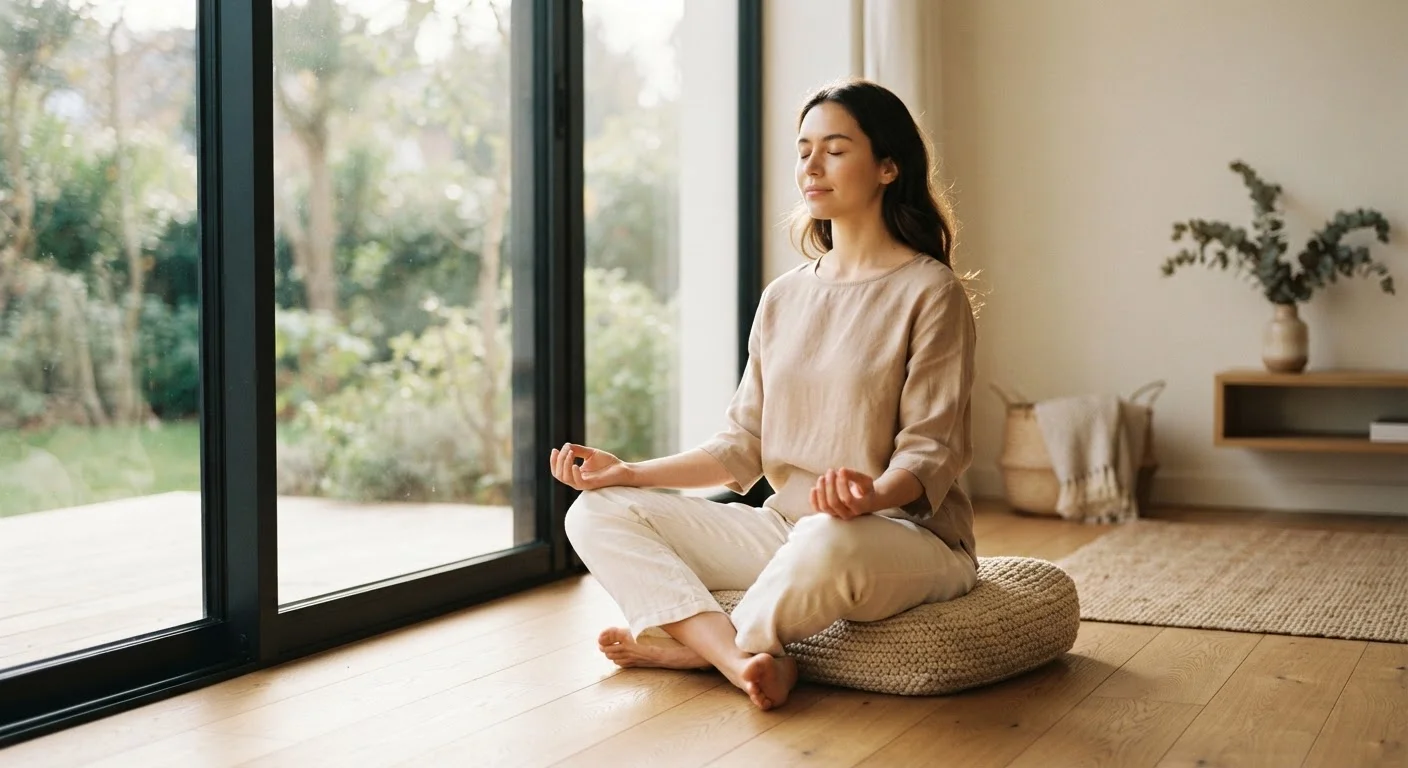
Practices like mindfulness and meditation are often discussed alongside self-care and can complement professional support, but they work best as part of a broader approach rather than as standalone solutions.
Self-care within the mental wellness space means building the daily conditions that support your baseline - not replacing care you may genuinely need.
This article is for informational purposes only and does not constitute medical or mental health advice. Please speak with a qualified healthcare professional about any personal health concerns.