
Why Hands and Nails Deserve Consistent Attention
Hands are among the most exposed parts of the body - subject to repeated washing, temperature changes, and contact with cleaning products. Over time, these stressors strip the skin of its natural moisture barrier, leaving it prone to dryness, cracking, and irritation. Nails face similar wear: frequent water exposure can cause brittleness, while improper trimming or cuticle handling can invite infection.
The good news is that hand and nail upkeep doesn't require elaborate rituals. As part of a broader daily self-care practice, a few consistent habits - applied regularly - deliver most of the benefit. Think of it less as a beauty routine and more as basic maintenance, no different from brushing your teeth.
| Average nail growth rate | Approx. 3-4 mm per month (fingernails) (American Academy of Dermatology general guidance) |
| Primary nail composition | Keratin protein layers |
| Recommended handwashing duration | At least 20 seconds with soap and water (CDC handwashing guidelines) |
| Cuticle function | Seals the nail-skin junction against bacteria and fungi |
| Main cause of nail brittleness | Repeated wetting and drying cycles (Commonly cited in dermatology literature) |
| Best time to trim nails | After bathing or washing hands, when softened |
Core Concepts: A Glossary of Hand and Nail Terms
Understanding a few key terms makes it easier to identify what your hands and nails actually need, and to follow guidance without getting lost in jargon.
Nail plate
The hard, visible part of the nail that extends beyond the fingertip and over the nail bed. It is composed mainly of layers of a hardened protein called keratin.
Cuticle
The thin layer of skin at the base of the nail plate that seals the junction between the nail and surrounding skin. It acts as a protective barrier against bacteria and fungi.
Nail bed
The soft tissue directly beneath the nail plate. A healthy nail bed appears pink due to the blood vessels beneath; changes in its colour can sometimes indicate health issues.
Moisture barrier
The outermost layer of the skin that regulates water loss and protects against environmental irritants. Frequent handwashing and exposure to chemicals can weaken this barrier over time.
Keratin
A fibrous structural protein that forms the main component of nails, hair, and the outer layer of skin. Nail strength and flexibility depend in part on keratin's integrity.
Lunula
The whitish, crescent-shaped area at the base of the nail plate, most visible on the thumbs. It is the visible part of the nail matrix, where new nail cells are produced.
Onycholysis
The separation of the nail plate from the nail bed, beginning at the tip. It can result from injury, prolonged water exposure, or certain medical conditions, and warrants professional evaluation.
Emollient
A moisturising agent that softens and soothes the skin by filling in gaps between skin cells. Common in hand creams and lotions, emollients help restore the skin's surface after washing.
Everyday Habits That Support Hand and Nail Health
Moisturising After Washing
Each time you wash your hands, you remove some of the skin's natural oils. Applying a fragrance-free hand lotion or cream immediately after drying - while skin is still slightly damp - helps seal in moisture. Doing this consistently is more effective than applying a heavy cream once a day.
Trimming and Filing Correctly
Nails are easiest to trim after washing, when they're softer and less likely to split. Use clean, sharp nail scissors or clippers and follow the natural curve of the nail. File in one direction rather than sawing back and forth, which weakens the nail edge. Keeping nails at a moderate length reduces the surface area exposed to impact and snagging.
Cuticle Care Without Cutting
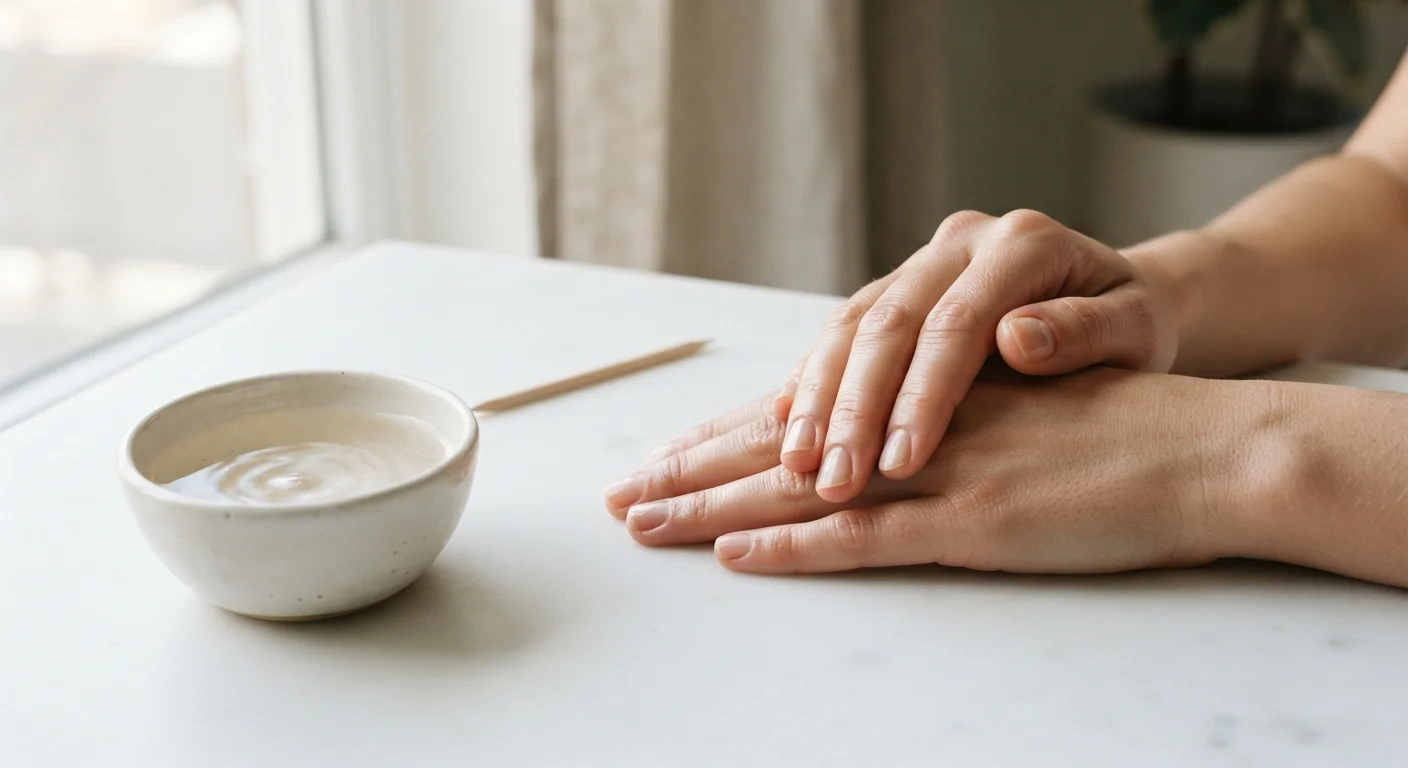
Cuticles act as a seal between the nail plate and surrounding skin, protecting against bacteria and fungi. Dermatologists generally advise against cutting them. Instead, gently push them back with a clean, soft tool after soaking hands in warm water, and keep them moisturised. Cutting or tearing cuticles creates an entry point for infection.
Protecting Hands During Tasks
Wearing gloves while washing dishes, cleaning with chemical products, or gardening reduces prolonged moisture and irritant exposure. Even brief protection makes a measurable difference over time. This is one of the quickest self-care adjustments with lasting payoff.
When to Consult a Healthcare Provider
Noticeable changes in nail colour (yellow, white, or dark streaks), persistent pitting, thickening, or sudden brittleness can occasionally point to underlying health conditions rather than simple dryness. These signs are worth raising with a dermatologist or primary care provider. Do not attempt to self-diagnose or treat nail changes with supplements or home remedies without professional guidance.
Nail appearance can sometimes reflect broader health patterns. Noticeable changes in nail colour, texture, or growth - such as persistent discolouration, pitting, or significant brittleness - are worth discussing with a healthcare provider rather than treating at home. This article covers general maintenance, not medical diagnosis or treatment.
Nutrition, Hydration, and Nail Structure
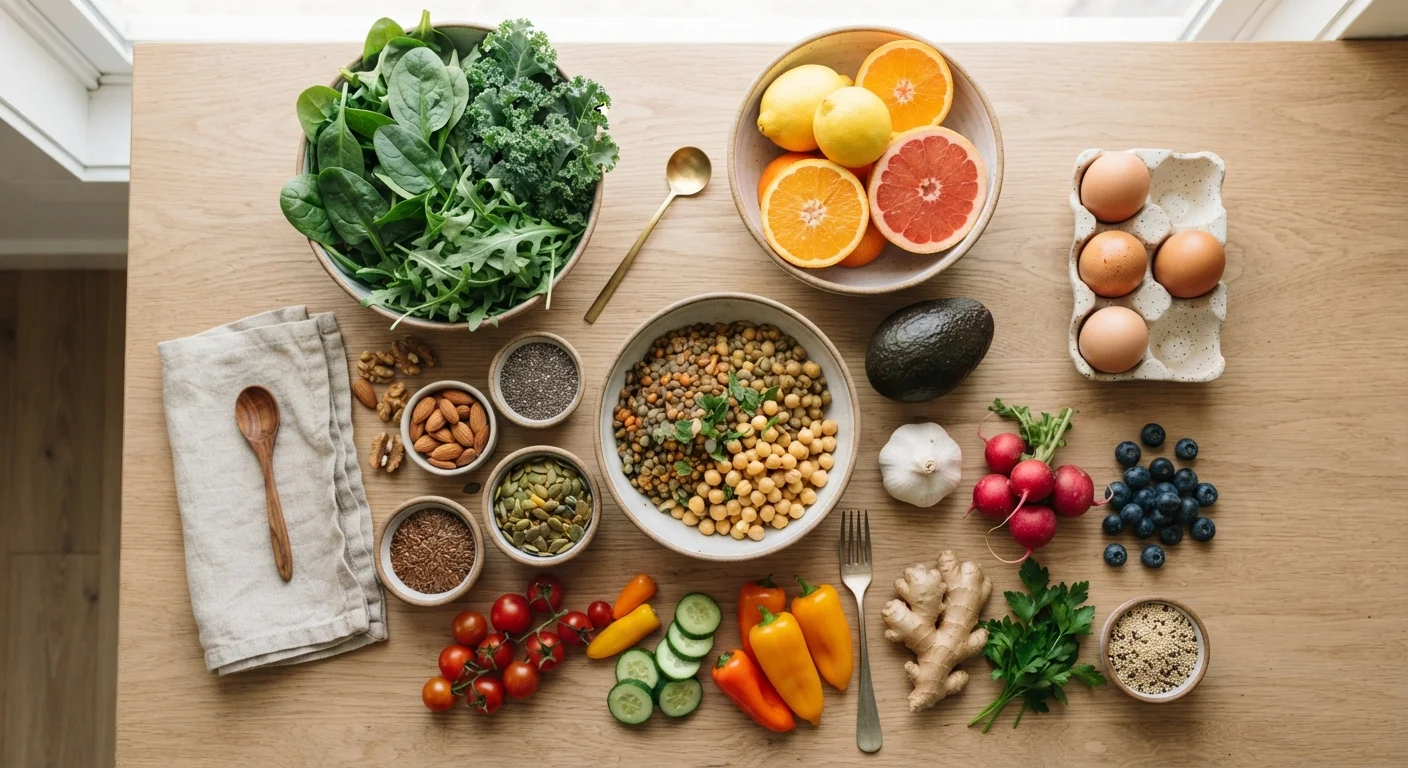
Nails are made primarily of keratin, a structural protein. Their condition is influenced in part by overall nutrition and hydration. Research suggests that certain micronutrients - including biotin (vitamin B7), iron, and zinc - play a role in maintaining nail integrity, though deficiency-related nail changes should be assessed by a healthcare professional rather than addressed with supplements taken on a hunch.
Adequate water intake supports skin elasticity generally, though the relationship between hydration and nail brittleness is more nuanced than often presented. For a concise overview of relevant vitamins and minerals, see the micronutrients reference guide.
Hand and nail care fits naturally alongside other foundational habits. The everyday self-care checklist is a useful companion for building these routines into a broader daily structure without overcomplicating things.
This article is for general informational purposes only and is not a substitute for professional medical advice. If you have concerns about the condition of your skin or nails, consult a qualified healthcare provider.