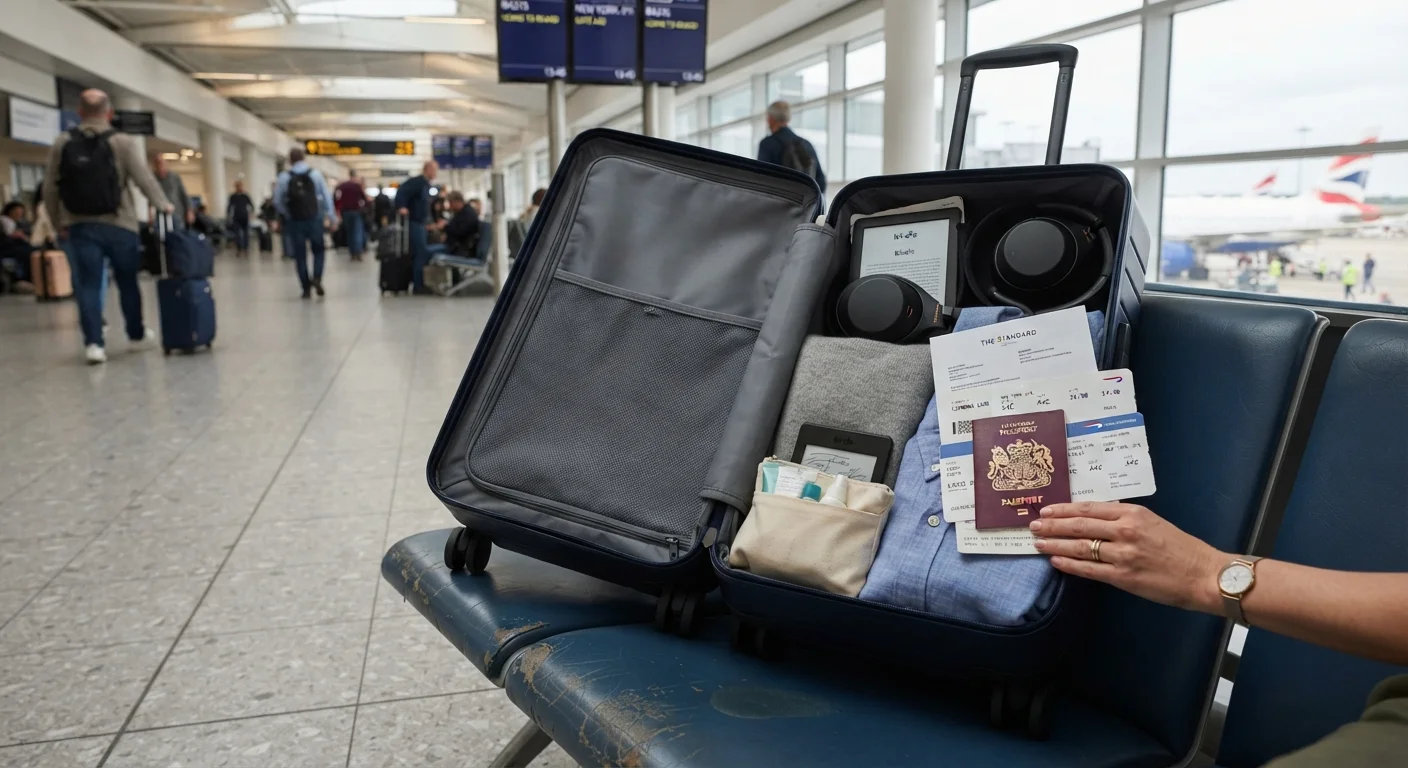

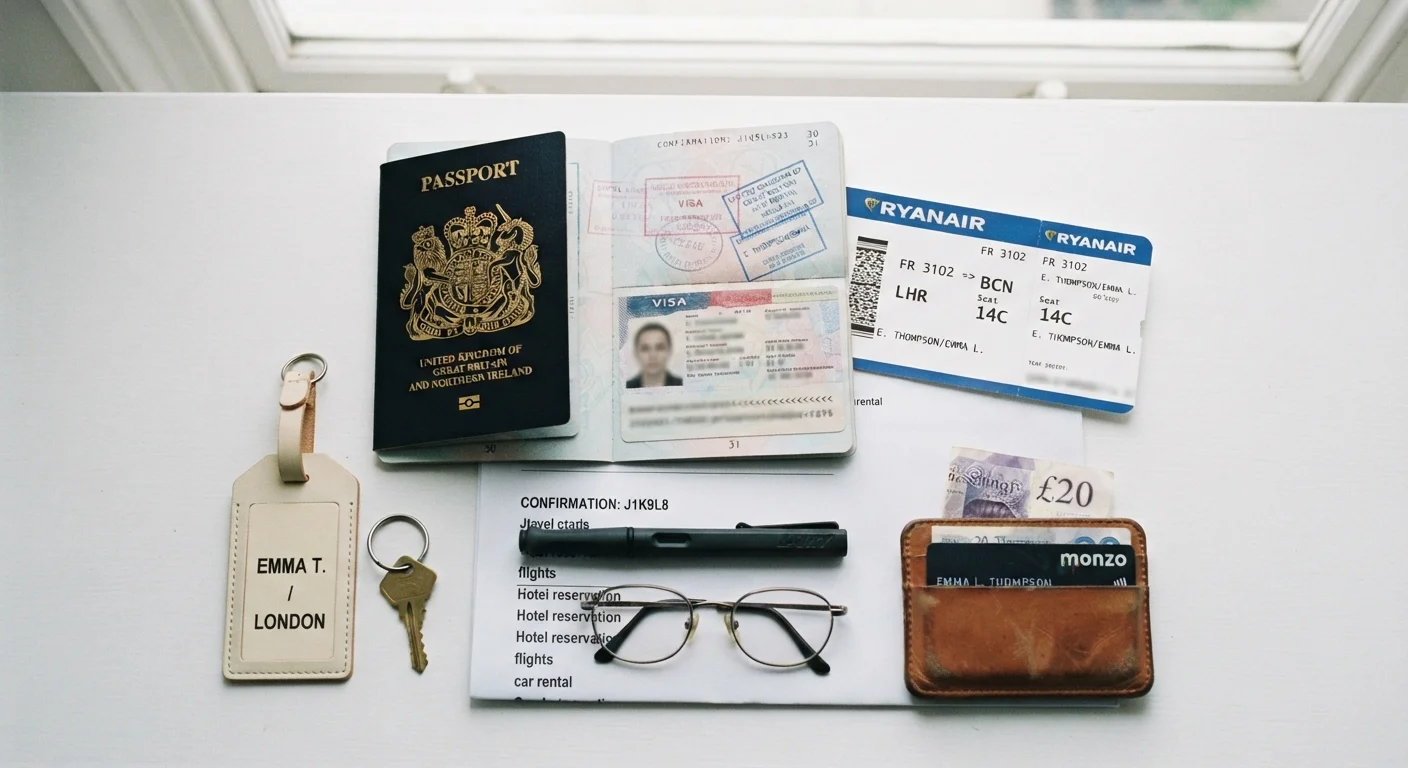
The Core Documents Every International Traveler Needs
Before booking flights or hotels, confirm that your foundational travel documents are in order. For most US citizens traveling internationally, that starts with a valid passport. Many countries require that your passport remain valid for at least six months beyond your travel dates - not just through your return date. This is one of the most common entry issues travelers encounter. For more, see common border misconceptions.
| US Passport Validity Requirement | Valid for at least 6 months beyond travel dates (varies by country) (US State Department) |
| Passport Renewal Processing Time | 6-8 weeks standard; expedited options available (US Department of State) |
| Countries Requiring Electronic Travel Authorization | Includes Canada (eTA), Australia (ETA), UK (ETA), and others (Respective government immigration portals) |
| Where to Verify Visa Requirements | Destination country's embassy/consulate + US State Department travel site (US State Department travel.state.gov) |
| Recommended Document Copies to Carry | Physical copies in carry-on + digital copies in secure cloud storage (General travel safety guidance) |
Beyond passports, document requirements vary widely depending on destination, nationality, and trip purpose. The categories below cover what most travelers will need to research before departure.
- Passport: Required for all international travel from the US. Check expiration dates and remaining blank pages.
- Visa: An official authorization to enter a country. May be required in advance or available on arrival, depending on your nationality and destination.
- Travel authorization (ETA/eTA): Some countries - including Canada and Australia - require electronic travel authorizations for visa-exempt travelers. These are typically obtained online before departure.
- Return or onward ticket: Many countries require proof you plan to leave. Airlines may also check this at check-in.
Visas, Health Documentation, and Travel Insurance
Visa requirements change frequently and depend on bilateral agreements between countries. Never rely on secondhand information or travel forums as a definitive source. Always verify current requirements through the destination country's official embassy or consulate website and through the US State Department's travel portal before booking.
Passport
A government-issued travel document that verifies your identity and citizenship. Required for all international travel from the United States and must be valid at the time of each entry.
Visa
An official endorsement - usually a stamp or sticker in your passport - granting permission to enter, transit, or remain in a country for a specified period and purpose.
Electronic Travel Authorization (ETA)
A pre-travel permission required by some countries for visa-exempt travelers. Obtained online before departure and electronically linked to your passport.
Visa on Arrival
A visa issued at the port of entry rather than in advance. Eligibility depends on your nationality and the destination country's current policy - do not assume you qualify without verifying officially.
Travel Insurance
A policy that may cover trip cancellations, medical emergencies abroad, lost luggage, and other travel disruptions. Some countries require proof of coverage as a visa condition.
International Vaccination Certificate
An official record of vaccinations, sometimes called a Yellow Card. Certain countries require proof of specific vaccinations - such as yellow fever - as a condition of entry.
Health documentation may include vaccination records, negative test results, or health declaration forms. Requirements shifted considerably in recent years and continue to change - always check official sources close to your departure date, not months in advance.
Travel insurance is not universally required, but some countries mandate proof of coverage as a visa condition. Even when optional, travel insurance that covers medical evacuation and emergency care abroad is worth understanding before you go. Keep a copy of your policy and emergency contact numbers accessible - not only in checked luggage. For guidance on what belongs in your carry-on versus checked bags, see documents that should never go in checked luggage.
Official Sources Are the Only Reliable Source
Visa rules, health entry requirements, and electronic authorization programs change frequently. Travel blogs, social media posts, and even recent forums can reflect outdated conditions. For current and binding information, consult the destination country's official immigration authority and the US State Department's travel portal at travel.state.gov. Verify close to your departure date, not months in advance.
Once your documents are in order, a full pre-departure routine helps catch anything you've missed. Use this pre-departure checklist to work through the remaining steps before you leave.
This article provides general travel information only. Entry requirements, visa rules, and health documentation standards are set by individual countries and change without notice. Always verify requirements directly with the relevant embassy, consulate, or official government source before traveling.