
Why Document Placement Is a Trip-Safety Decision
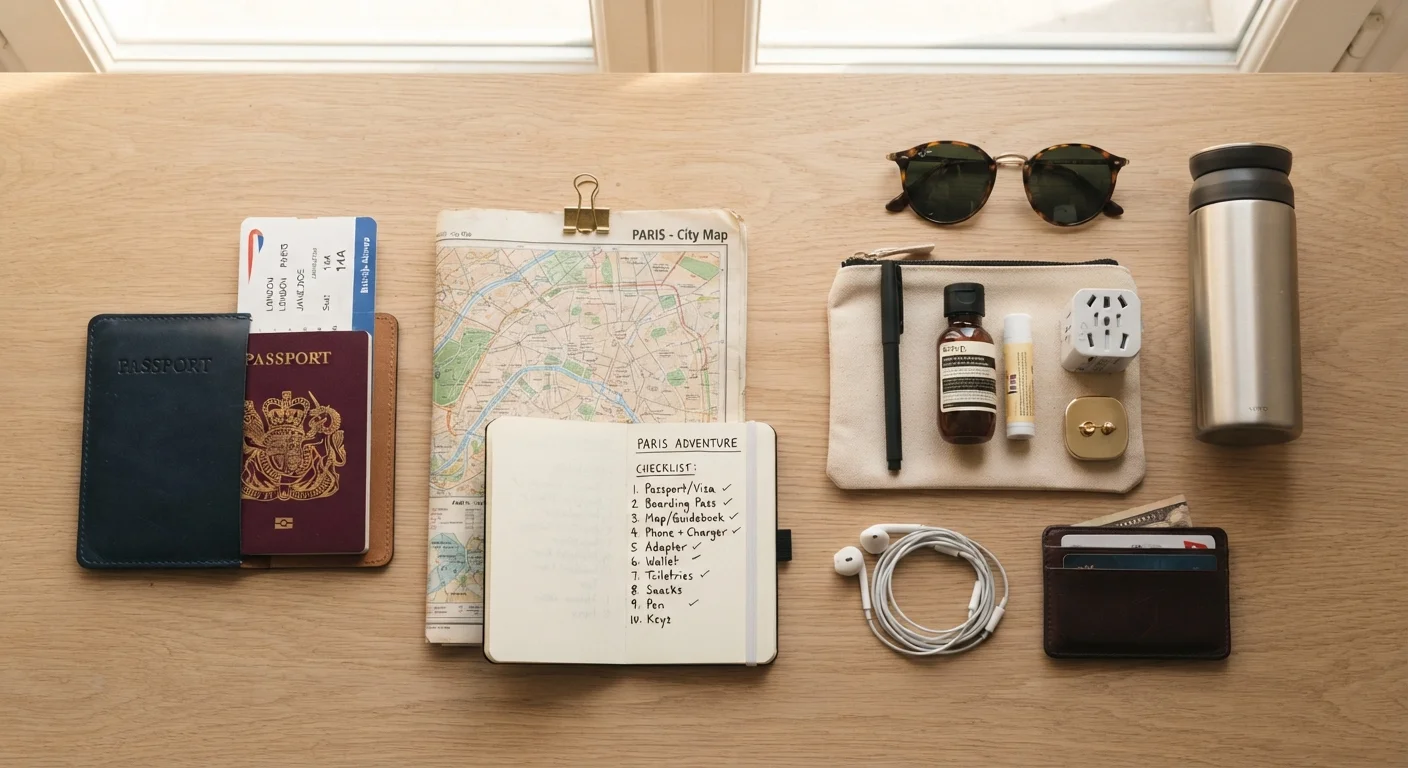
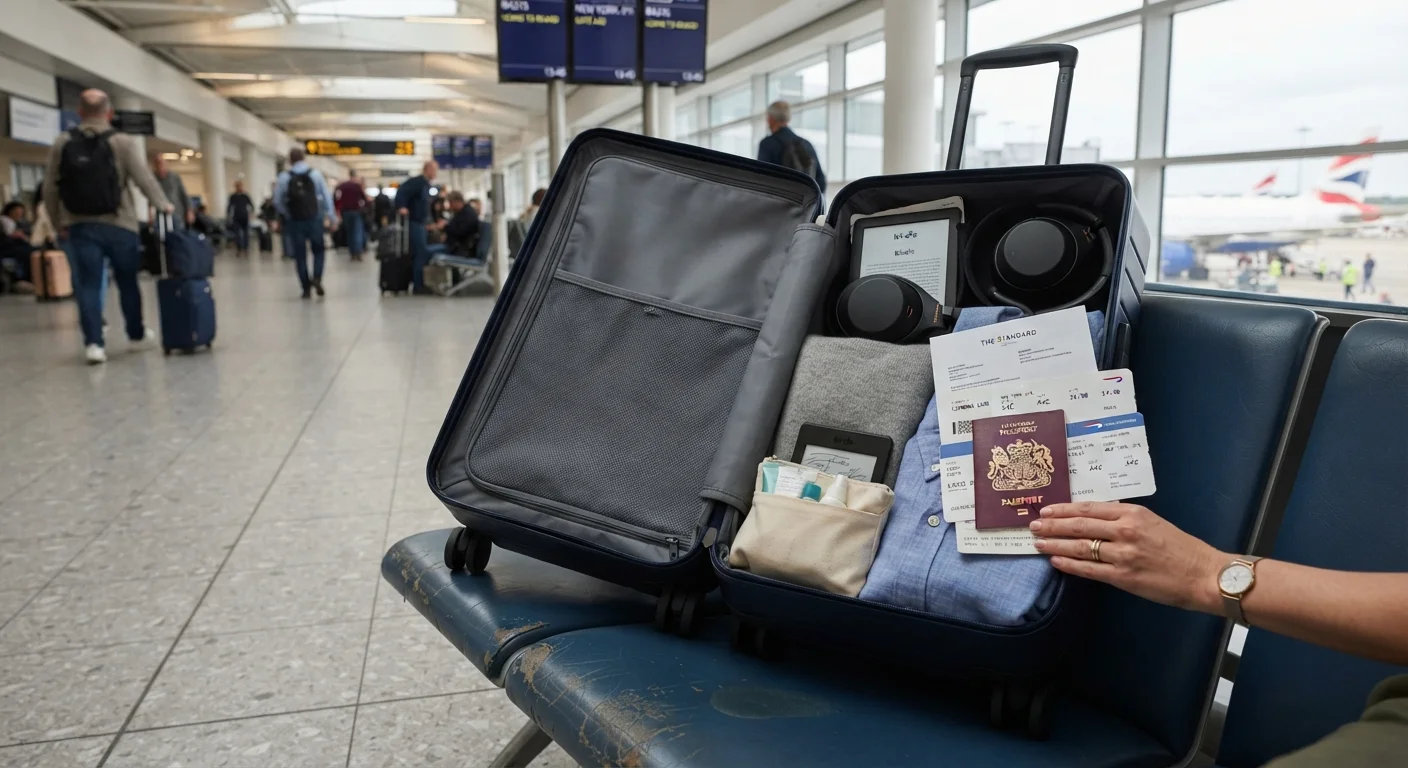
Losing your luggage is frustrating. Losing the documents inside it can strand you at a border, cancel a hotel reservation, or leave you without access to emergency funds. Airlines mishandle millions of bags every year, and theft from checked baggage - though less common - does occur. The documents discussed here are either irreplaceable in the short term or critical to your ability to move, be treated medically, or access money while abroad.
The rule is straightforward: if losing a document could prevent you from completing your trip or create a serious safety problem, it goes in your carry-on. Use this checklist to audit what's in your bag before you head to the airport. For a full pre-trip workflow, see the pre-departure checklist every traveler should run through before you leave.
Identity and Entry Documents
Booking and Travel Confirmations
Financial and Insurance Documents
Medical and Health Documents
Digital Backups and Contingency
What to Do If a Document Is Lost or Stolen
Even careful travelers run into problems. Having a plan before anything goes wrong is what separates a recoverable situation from a ruined trip. The steps below assume you have digital backups - which is why making them is a non-negotiable item on this checklist.
A Lost Passport Abroad Is a Serious Emergency
If your passport is lost or stolen while traveling internationally, report it to local police and contact the nearest U.S. embassy or consulate as soon as possible. You will need proof of citizenship (such as a copy of your passport) and a valid photo ID to obtain an emergency travel document. Processing is not instant - plan for delays and have the embassy's contact number saved before you travel. Always verify current procedures directly with the U.S. Department of State before your trip.
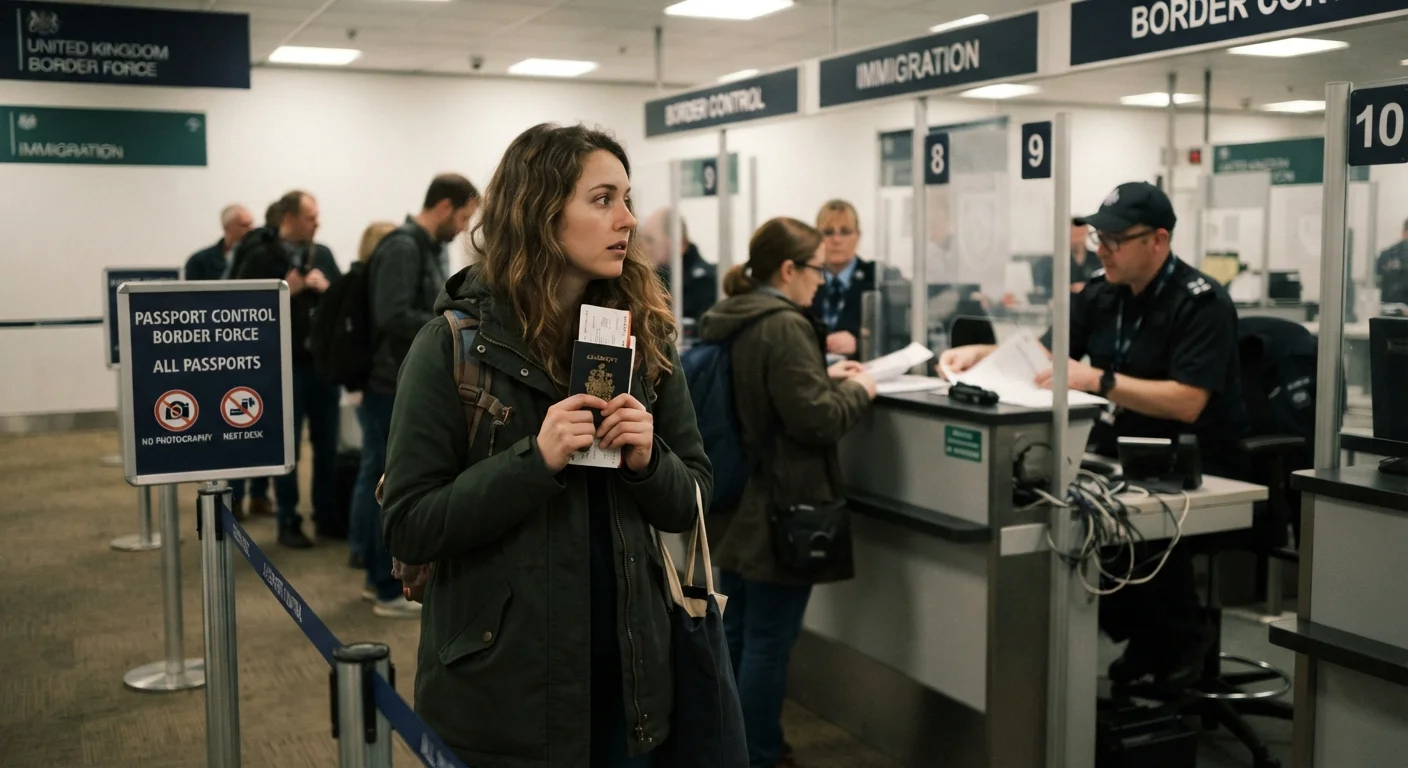
For passports lost abroad, contact the nearest U.S. embassy or consulate immediately. Emergency passports can be issued, but the process takes time and requires proof of identity and citizenship - which is exactly why carrying copies and backup ID matters. For a broader look at what can go wrong at entry points, the article on common assumptions that get travelers into trouble at borders is worth reading before any international trip.
Travel insurance documentation is particularly important to keep accessible. Filing a claim for a medical emergency or a missed connection requires the policy number and emergency contact number - both useless if they're in a suitcase that's sitting in another city. Review how to protect your data and documents while traveling for guidance on storing digital copies securely without exposing them to risk.
Don't Rely Solely on Your Phone
Digital backups on your smartphone are useful, but a lost, stolen, or dead phone eliminates that safety net instantly. Always have at least one non-phone backup: a printed copy stored separately from the original, or access through a web-based account you can log into from any device. Battery life and international data access are never guaranteed.
Medication Rules Vary by Country
Some medications that are legal in the United States are controlled or prohibited in other countries. Carrying them in your checked bag does not protect you - customs inspection can occur regardless of where medication is packed. Research your destination's rules for any prescription or over-the-counter medication before travel, and consult your healthcare provider about documentation requirements.
Use this checklist alongside your packing routine - not as an afterthought at the airport. The smart traveler's pre-departure routine walks through exactly when and how to run these checks so nothing gets missed in the rush of departure day.