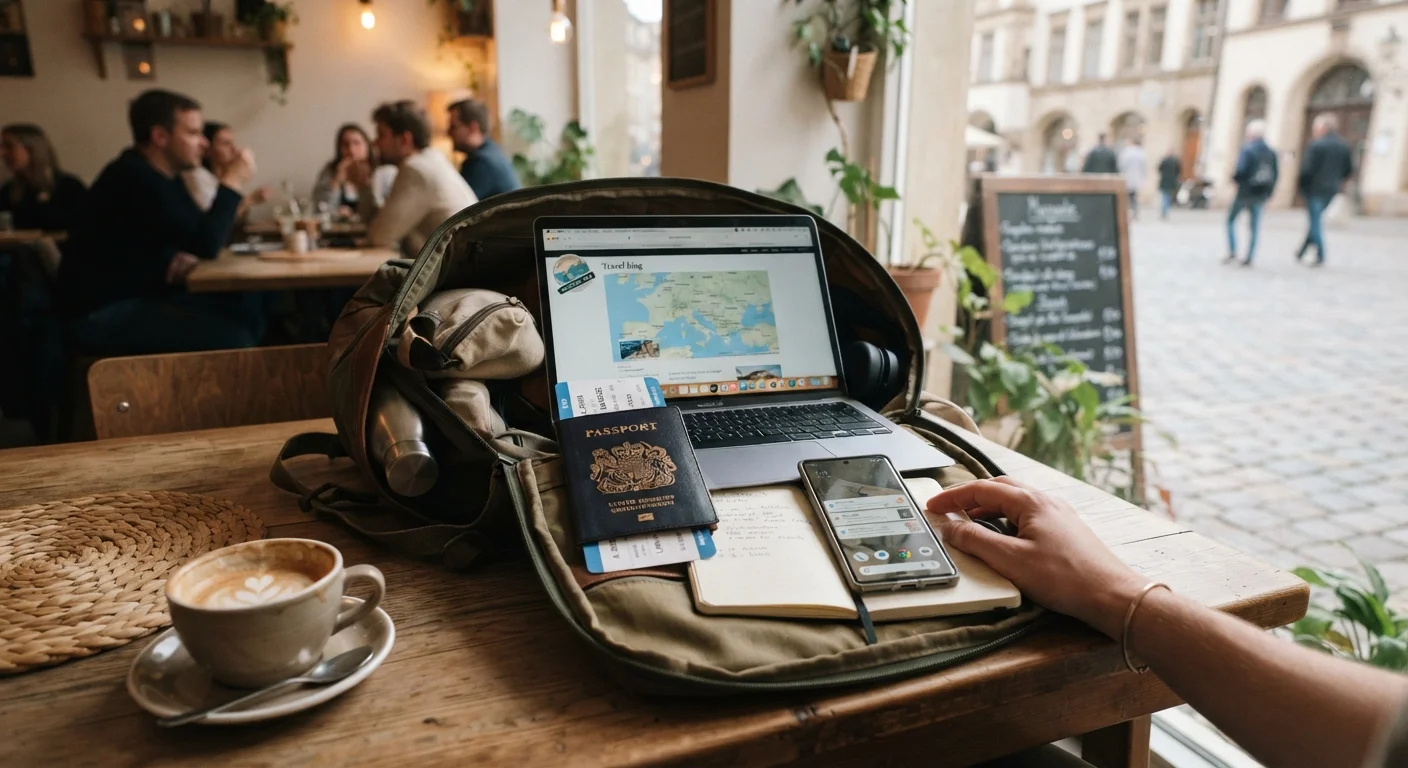

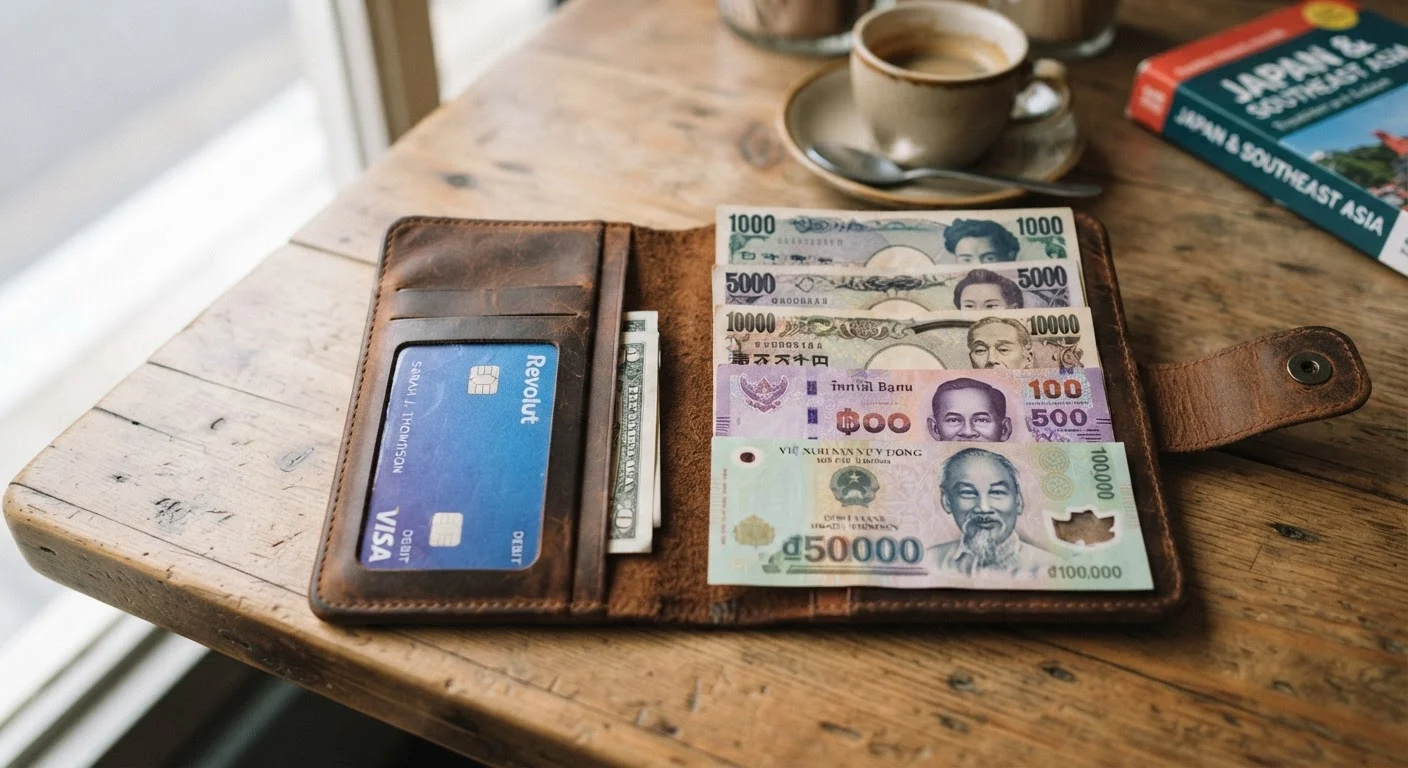
The Core Trade-Off: Convenience vs. Universality
When you're preparing for international travel, one of the most practical decisions you'll make is how to carry and access money. Two approaches dominate: a travel-focused debit card linked to a multi-currency or low-fee account, and foreign currency cash exchanged before or during your trip. Neither is universally superior - the right choice depends heavily on your destination, travel style, and risk tolerance.
A travel debit card lets you withdraw local currency from ATMs abroad or pay merchants directly, often converting funds at mid-market or near-mid-market exchange rates. Cards with no foreign transaction fees can save meaningful amounts compared to traditional bank accounts that charge 1-3% per transaction. The tradeoff is reliance on functioning ATM networks and merchant card terminals, which are not equally available worldwide.
Foreign currency cash, by contrast, works universally - no power outages, no card readers, no connectivity required. But sourcing cash at a fair exchange rate takes planning. Airport currency exchange booths and hotel desks are convenient but frequently charge rates that significantly undercut what you'd get elsewhere. Ordering from your bank or a credit union before departure, or withdrawing from a reputable ATM upon arrival, generally yields more favorable terms. See our guide to building a realistic travel budget for how to factor currency access into your overall cost estimates.
| Criterion | Travel Debit Card | Foreign Currency Cash |
|---|---|---|
| Exchange Rate Quality | Often near mid-market rate | Varies widely by source |
| Acceptance | Wide in cities; limited rurally | Universal, no infrastructure needed |
| Theft Recovery | Card can be frozen; charges disputed | No recovery possible |
| Fees | ATM fees + possible transaction fees | Exchange spread at point of conversion |
| Budget Visibility | Requires tracking app or discipline | Physical cash makes limits tangible |
| Pre-Trip Effort | Set up account; notify bank | Source currency in advance |
| Emergency Backup | Can be reissued if lost | Useful if card systems fail |
Fees, Rates, and the True Cost of Each Option
Exchange rates and fees are where the real difference between these two methods becomes concrete. With a travel debit card, the key variables are: the exchange rate applied at the time of the transaction, any per-transaction fee charged by your card issuer, and ATM operator surcharges levied by the machine itself (not your bank). Some accounts reimburse ATM fees up to a monthly limit - worth confirming before you travel.
With cash, the costs are front-loaded. The spread between the buy and sell rate at a currency exchange desk is how those businesses earn revenue. This spread can range from negligible at a competitive bank to steep at an airport kiosk. Dynamic currency conversion - when a foreign ATM or merchant offers to charge you in US dollars rather than local currency - is a trap worth knowing about: it almost always applies an unfavorable rate. Always choose to be charged in the local currency, whether paying by card or withdrawing at an ATM.
1-3%
Typical foreign transaction fee on standard debit cards
Many traditional US bank accounts charge a percentage fee on every international purchase or withdrawal, which compounds quickly on longer trips.
Up to 10%
Potential spread at airport currency exchange
Airport and hotel currency desks often apply exchange rate spreads significantly wider than rates available through banks or competitive ATMs.
~$5
Average ATM operator surcharge abroad
Foreign ATM operators frequently add a flat fee per withdrawal, separate from any fee your home bank charges - minimizing withdrawal frequency reduces this cost.
Many travelers mistakenly assume cash is cheaper because it feels more transparent. In practice, the exchange rate you receive matters more than the format. It's a point addressed directly in our travel myths article - the idea that airport exchange is "good enough" is one of the more costly assumptions you can make.
Security, Risk, and What Happens When Things Go Wrong
Security is where travel debit cards hold a clear structural advantage. If your card is lost or stolen, you can freeze it immediately through your bank's app, dispute unauthorized charges, and in many cases have a replacement card sent to your location or a nearby branch. The financial exposure from a stolen debit card is typically limited - especially when you report promptly.
Cash offers no such safety net. If your wallet is stolen or you misplace an envelope of euros, that money is gone. This doesn't mean cash is reckless - it means you should carry only what you realistically need for a day or two, keep it in separate locations on your person, and avoid flashing large amounts in public.
Digital risks travel alongside your card, too. Skimming devices on ATMs, unsecured Wi-Fi networks, and phishing attempts are real concerns abroad. Our guide to protecting your cards and data while traveling outlines practical habits - like covering your PIN and using ATMs attached to bank branches - that reduce your exposure significantly.
Notify Your Bank Before Every International Trip
Unexpected foreign transactions can trigger automated fraud holds that freeze your debit card mid-trip. Most major US banks allow you to set travel notifications online, through their app, or by calling the number on the back of your card. Some institutions have eliminated the requirement, but it's worth confirming either way. A quick two-minute step before you leave can prevent a significant headache abroad.
Before departure, notify your bank of your travel dates and destinations. Failure to do so can trigger automatic fraud alerts that freeze your card at the worst possible moment. This step is part of the smart traveler's pre-departure routine every international trip warrants.