

Why So Many People Conflate Net Worth With Self-Worth
Money is woven into nearly every social signal we encounter - the neighborhood you live in, the car you drive, the vacations you post about. It's no surprise that many people, consciously or not, begin using financial status as a proxy for personal value. This pattern has a name in financial psychology: money as status, one of several distinct money scripts - the beliefs about money formed in childhood and reinforced through experience.
Understanding how this pattern took root in your own thinking is a worthwhile starting point. Building financial self-awareness can help surface the beliefs quietly driving your decisions before they cause lasting harm. The pattern isn't a character flaw - it's a learned framework. But like any framework, it deserves honest scrutiny.
Can fuel strong motivation to earn and save
When financial achievement feels personally meaningful, people often follow through on savings habits and career development with more consistency. The emotional stakes make goal pursuit feel urgent and worthwhile.
Encourages financial discipline and delayed gratification
Those who see money as a reflection of their efforts may be more likely to resist impulsive spending and invest in long-term outcomes. Evidence on delayed gratification suggests this tendency does produce measurable financial results in some contexts.
Provides a concrete metric for progress tracking
Financial milestones - paying off debt, hitting a savings target - can offer genuine psychological reward. Having something measurable to work toward can reduce the paralysis that comes from vague financial intentions.
The Real Downsides You Need to Understand
The costs of identity-linked finances are not abstract. When self-worth tracks net worth, a job loss, medical bill, or recession doesn't just damage your budget - it damages your sense of self. Research in financial psychology consistently links this money mindset to higher rates of anxiety, shame, and avoidance behaviour around financial management.
Financial setbacks become identity crises
When your sense of worth is tied to your balance sheet, any financial reversal - redundancy, medical debt, a failed business - can trigger disproportionate shame and psychological distress. The financial problem becomes a personal indictment.
Drives status spending that undermines real wealth
Paradoxically, people who use money as a status signal often spend more to maintain appearances, which erodes actual financial security. This is sometimes called the 'wealth illusion' - looking wealthy while accumulating less. Scarcity versus abundance thinking explores how these patterns compound over time.
Creates chronic financial anxiety even when finances are healthy
Because there is always someone wealthier, the goalpost never stops moving. People with a money-as-worth mindset frequently report dissatisfaction regardless of their actual financial position.
Encourages avoidance when things go wrong
Shame about money leads to ignoring bills, avoiding budgets, and delaying financial decisions - often making problems significantly worse. Avoidance is a well-documented response when financial failure feels like personal failure.
Distorts risk tolerance in damaging ways
To preserve a self-image as financially successful, some people take on risks they can't afford - overleveraged investments, status purchases on credit - while others become so risk-averse they miss reasonable growth opportunities.
This Pattern Cuts Across Income Levels
Tying self-worth to money is not a low-income phenomenon - it appears across the wealth spectrum. High earners can experience just as much financial shame and anxiety as those with fewer resources, particularly when their spending or status feels threatened. This is general educational context, not a diagnostic observation about any individual's situation. For personal concerns, a licensed financial therapist or mental health professional is the appropriate resource.
One particularly damaging pattern: people who equate money with worth tend to avoid looking at their finances during downturns - precisely when engagement matters most. Shame becomes a barrier to action. If this resonates, auditing your money story can help you identify where these assumptions are silently shaping your behaviour.
Reframing the Relationship: Progress Without Identity
Separating your sense of self from your financial position doesn't mean becoming indifferent to money. It means developing what researchers call intrinsic financial motivation - pursuing financial goals because they align with your values and provide security, not because they validate who you are.
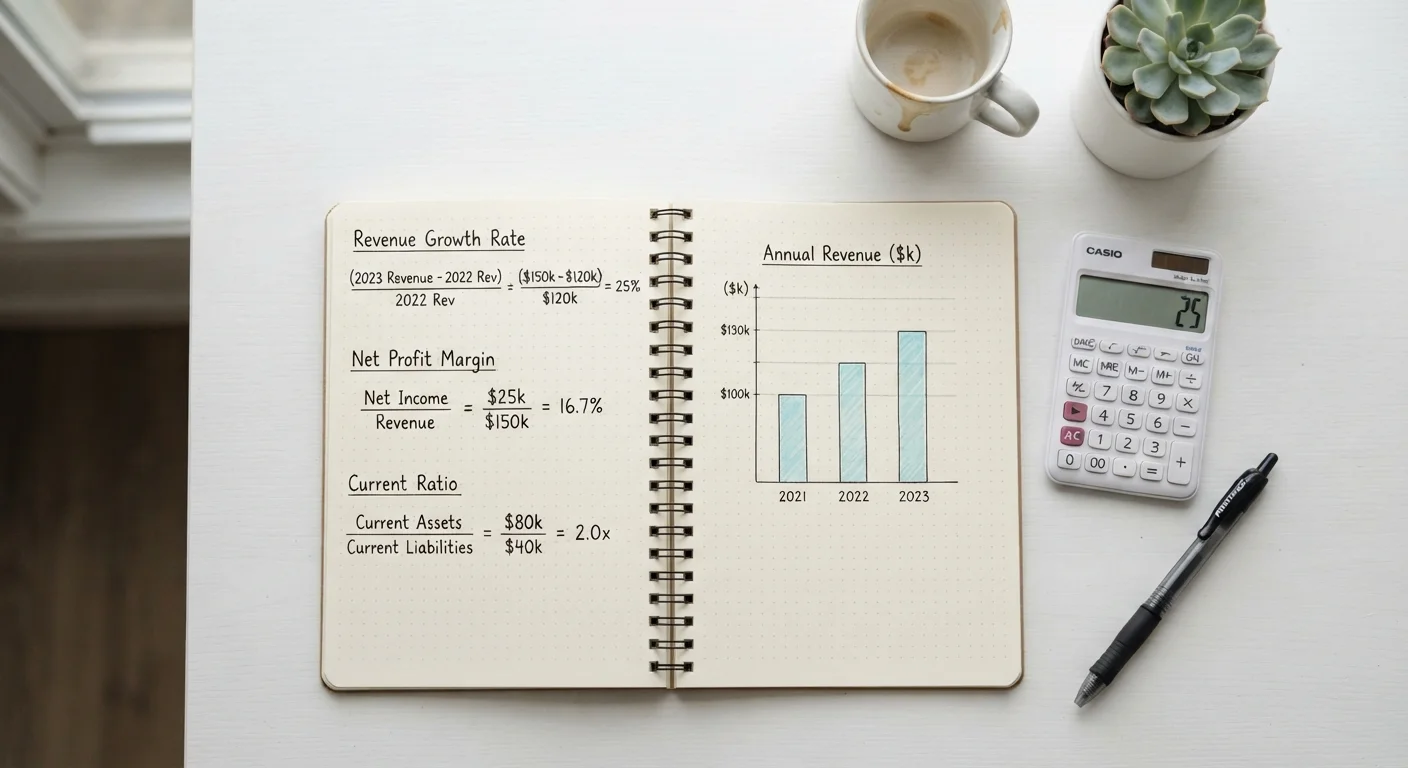
Tracking objective measures like your savings rate or debt-to-income ratio can help anchor financial progress in data rather than feeling. Understanding what these numbers actually mean shifts the focus from identity to trajectory. Similarly, clarifying the difference between financial goals and values gives your financial life a stable foundation that doesn't collapse when circumstances change.
77%
Americans reporting financial stress
According to the American Psychological Association's Stress in America survey, money consistently ranks as one of the top sources of stress for US adults across income levels.
3x
Greater financial anxiety among status-focused earners
Research published in financial psychology literature suggests individuals who primarily associate money with self-worth report meaningfully higher anxiety than those with security- or freedom-oriented money beliefs.
If you're looking for a more structured path forward, principles for building a healthier relationship with money offers practical, evidence-informed approaches that don't require dismantling your entire worldview overnight.
This article is for general informational and educational purposes only. It does not constitute financial, psychological, or medical advice. If you are experiencing significant distress related to money or mental health, consider speaking with a qualified financial professional or licensed mental health provider.